How much does it cost to install solar panels?
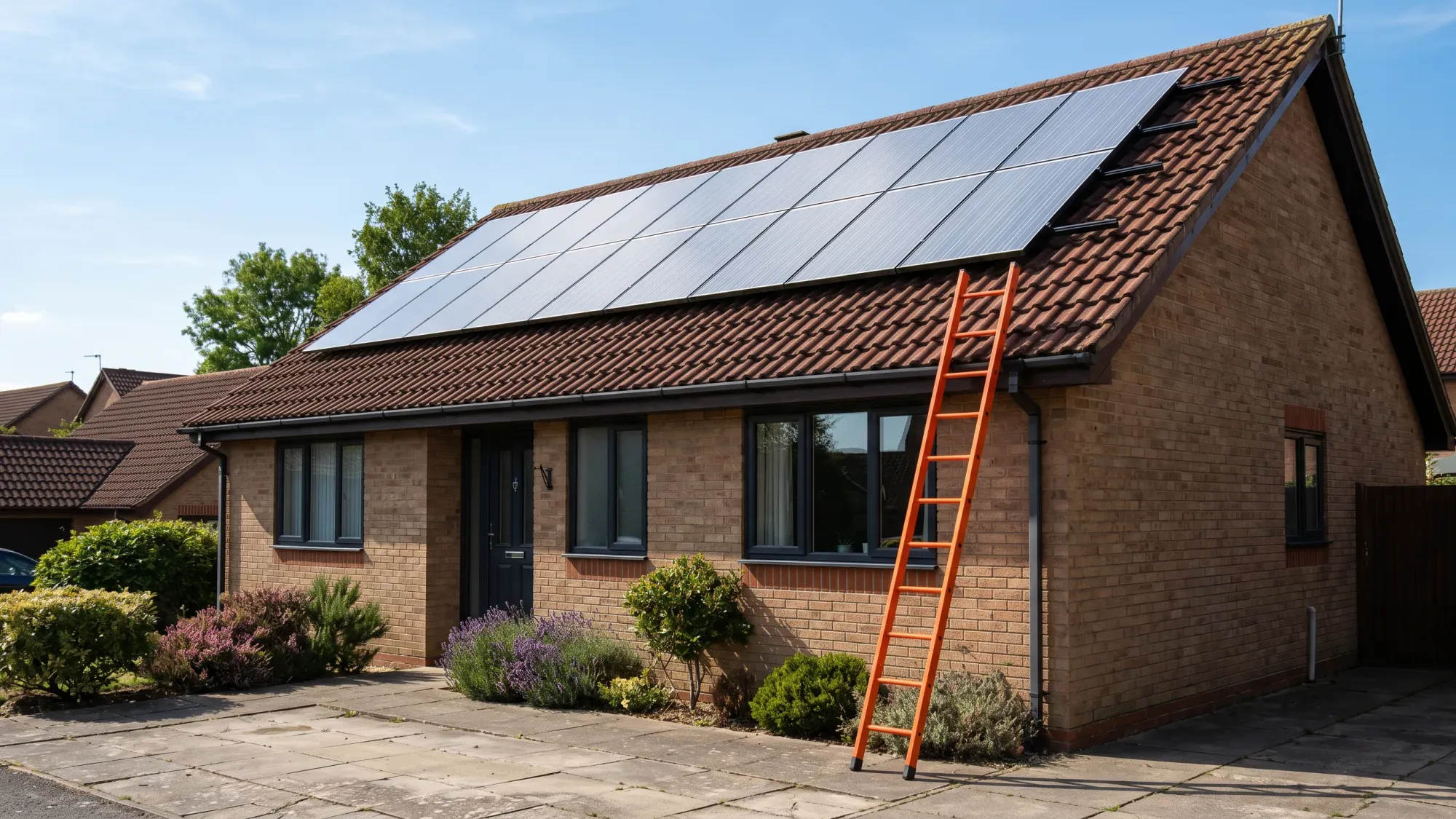
Installing solar panels can significantly reduce your energy bills and contribute to a more sustainable home. For UK homeowners, a typical 3.5-4 kilowatt-peak (kWp) solar panel system generally costs between £6,000 and £8,000, including installation. This investment varies based on several factors, from system size to the type of components used, but understanding these costs is crucial for making an informed decision.
Understanding solar panel installation costs
The initial outlay for solar panels is a key consideration for many homeowners. However, focusing solely on this upfront cost without considering long-term savings and potential earnings from exporting surplus electricity overlooks the full financial picture.
Average costs for a typical UK home
For most UK homes, a standard 4 kWp solar photovoltaic (PV) system, often suitable for a three-bedroom house, typically costs between £6,000 and £8,000 fully installed in 2026. This figure can rise to around £7,000-£11,000 for slightly larger systems or more complex installations. These averages reflect installations registered under the Microgeneration Certification Scheme (MCS), which ensures quality and eligibility for government-backed schemes.
What's included in the installation price?
The total installation price covers more than just the solar panels themselves. It typically includes the panels, an inverter to convert the solar energy into usable electricity, the mounting system for your roof, all necessary wiring and electrical work, scaffolding for safe installation, and connection to the National Grid. Crucially, VAT on domestic solar panel installations in Great Britain is currently 0% until 31 March 2027, making the investment more accessible.
Key factors influencing solar panel prices
Several elements contribute to the overall cost of a solar panel system. Understanding these can help you anticipate expenses and tailor a system to your specific needs.
System size and power output (kwp)
The size of your solar panel system, measured in kilowatt-peak (kWp), is a primary cost driver. Larger systems with higher power output naturally require more panels and components, leading to a higher overall price. While a 4 kWp system is common, some homes might opt for 5-6 kWp systems, especially if they have high electricity consumption, an electric vehicle (EV), or a heat pump.
Type of solar panels and inverter
The choice of solar panels (e.g., monocrystalline for higher efficiency) and the type of inverter (e.g., string inverters, micro-inverters, or hybrid inverters) also affect the price. Higher-efficiency panels or more advanced inverter technologies can increase the upfront cost but may offer better performance or flexibility in the long run.
The role of battery storage
Adding battery storage significantly enhances energy independence by allowing you to store surplus solar electricity for use when the sun is not shining. However, this comes at an additional cost, typically ranging from £3,000 to £6,500 for most domestic systems, depending on capacity and inverter setup. A 5 kWh battery might cost around £3,000-£4,500 installed, while a 10 kWh system could add approximately £4,000 to the total cost of a solar installation.
Installation complexity and labour
The complexity of the installation process can influence labour costs. Factors such as your roof type, its accessibility, and any necessary upgrades to your home's electrical system can all add to the overall price. For instance, a more complex roof structure or difficult access might require additional scaffolding and labour.
VAT and other potential costs
As mentioned, domestic solar panel installations benefit from a 0% VAT rate until 31 March 2027. This zero rate applies to the equipment and labour for solar PV and battery storage systems installed in residential properties. However, it is important to consider other potential costs such as electrical system upgrades, roof repairs if your roof needs work before installation, or ongoing maintenance.
Maximising your solar investment with smart energy management
Beyond the initial installation, smart energy management is key to unlocking the full financial benefits of your solar panels.
The Smart Export Guarantee (SEG) explained
The Smart Export Guarantee (SEG) is a UK government scheme that ensures homeowners are paid for any surplus renewable electricity they export back to the National Grid. This scheme mandates that qualifying electricity suppliers, known as SEG licensees, must offer an export tariff to small-scale low-carbon generators.
What is the SEG?
The SEG is a UK government scheme that pays homeowners for surplus renewable electricity exported to the grid. To qualify, you typically need an eligible renewable system, MCS certification, and a smart meter to accurately measure your exports. Tariffs vary by supplier, offering a way to earn income from your solar panels.
Comparing SEG rates from different energy suppliers
While the SEG guarantees payment, the actual rates offered vary significantly between energy suppliers. Comparing these rates is crucial, as a higher export tariff can substantially increase your annual earnings from your solar investment. Some suppliers offer flat rates, while others provide variable tariffs, especially if you have battery storage.
Optimising self-consumption with smart import tariffs
Pairing your solar panels with smart import tariffs can further maximise your savings. These tariffs often offer cheaper electricity rates during off-peak hours, allowing you to import energy cost-effectively when your panels are not generating, or to charge a battery at a lower price. This strategy helps you reduce reliance on expensive peak-time electricity and increase your overall savings. Many homeowners also pair solar with a smart meter installation to track usage more effectively.
Using energy apps to monitor and control your solar power
Modern energy apps play a vital role in optimising your solar investment. Fuse Energy's app, for example, provides monitoring of your energy usage and export over time, with forecasted amounts. This transparency empowers you to make informed decisions about your energy flow, ensuring you use more of your self-generated power and export any surplus at the most advantageous times. If you have an electric vehicle, understanding your EV charger installation cost can also help you plan your energy usage.
Choosing the right solar installer and energy supplier
Making the right choices for both your installer and energy supplier is paramount for a successful and profitable solar journey.
Why MCS certification matters
All solar panel installations must be carried out by an MCS certified installer to be eligible for the SEG. MCS certification ensures that your installer meets rigorous standards for product quality, installation, and consumer protection. Choosing an MCS-certified installer provides peace of mind and guarantees access to financial incentives.
Getting multiple quotes and comparing options
It is always advisable to obtain multiple detailed quotes from different MCS-certified solar installers. This allows you to compare not only prices but also system designs, component quality, and warranty offerings. Do not rush into the first quote; take the time to evaluate all your options thoroughly.
Selecting an energy supplier for ongoing savings
Once your solar panels are installed, your choice of energy supplier becomes critical for maximising your financial returns. Look for suppliers that offer competitive SEG rates and smart import tariffs that complement your solar generation. A supplier that actively helps you manage and optimise your energy flow can significantly boost your long-term savings.
Long-term benefits and return on investment
Investing in solar panels offers substantial long-term benefits, both financial and environmental.
Calculating your potential savings and earnings
With solar panels, you can significantly reduce your electricity bills by generating your own power. The average UK home uses around 2,500 kWh of electricity per year1, and generating a portion or all of this can lead to considerable savings. Additionally, earnings from the SEG for exported electricity further enhance your return on investment. Many UK homes can expect a payback estimate of around 6-12 years, depending on system cost, usage patterns, and export tariffs.
Environmental impact and energy independence
Beyond the financial gains, solar panels contribute to a greener future by reducing your carbon footprint. Generating your own clean energy lessens reliance on fossil fuels, supporting the UK's net-zero targets. This also fosters greater energy independence, making your home less susceptible to volatile energy market prices.
Future-proofing your home with solar
Installing solar panels is a forward-thinking decision that future-proofs your home. As energy costs continue to fluctuate and the demand for sustainable living grows, a solar-equipped home becomes more valuable and resilient. By integrating solar generation with smart tariffs, you contribute to a more efficient and decentralised energy system, benefiting both your household and the wider grid.
References
Disclaimer
For the avoidance of doubt, this article is provided for informational purposes only and is not intended to constitute legal or financial advice. The author and/or Fuse Energy shall not be responsible for any losses arising out of any reliance on the information contained herein.