EV charger installation cost for your home
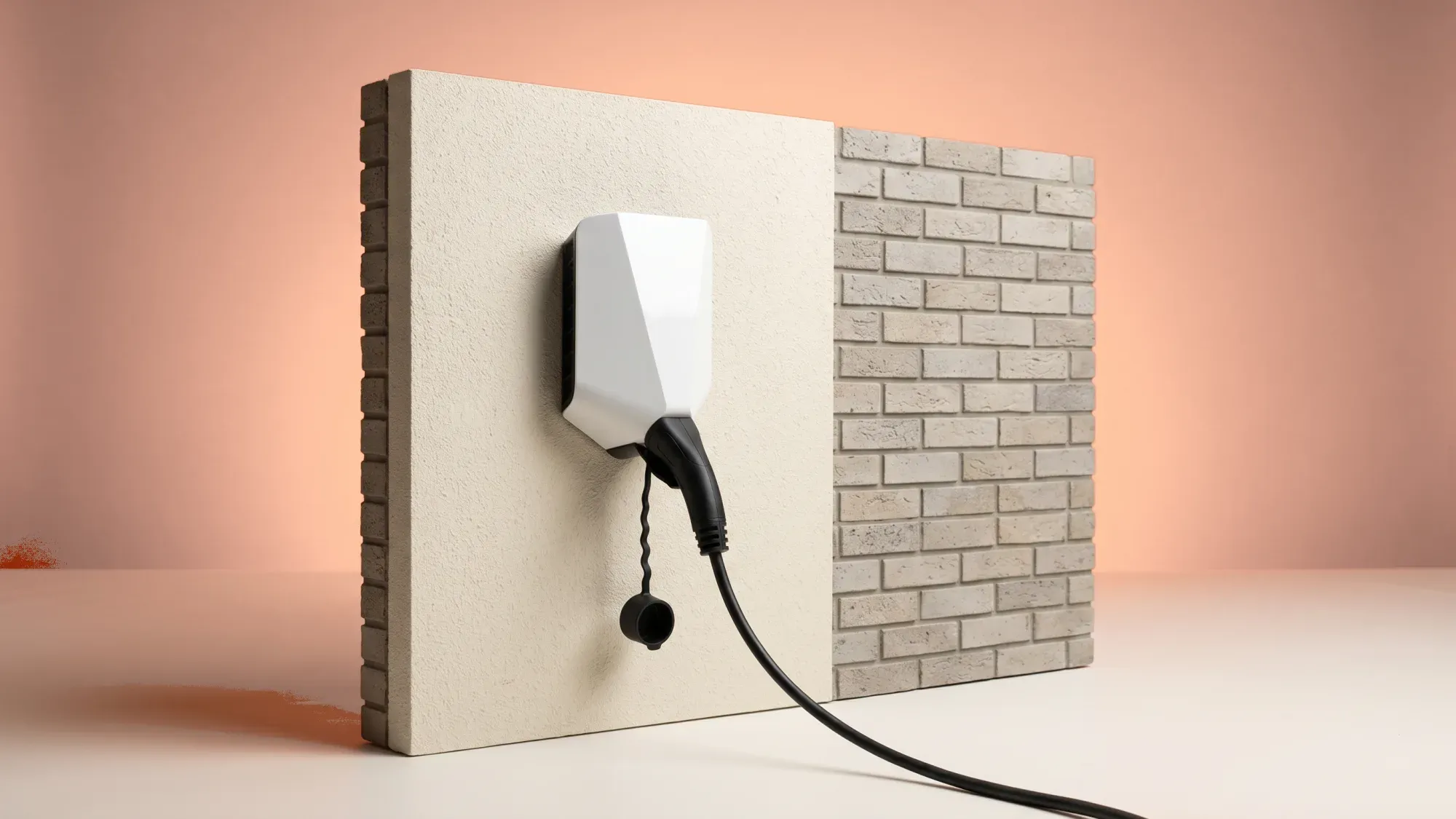
Installing an electric vehicle (EV) charger at home in the UK typically costs between £800 and £1,500, varying based on the charger type and the complexity of the installation. While this investment provides convenience and often cheaper charging, understanding the true financial outlay, including potential hidden fees and grant eligibility, is crucial for homeowners.
Understanding EV charger installation costs
Bringing electric vehicle charging home means more than just buying a charger; it involves professional installation tailored to your property. The overall cost is a blend of the charger unit itself and the labour required to fit it safely and compliantly.
Typical price range for home EV chargers
For a standard 7kW EV charger, the most common choice for UK homes, you can expect installation costs to fall within the £800 to £1,500 range, including both the charger unit and the installation labour. Some providers, like Fuse Energy, offer fixed-price solutions. Fuse Energy, for instance, provides the Easee One EV charger installed for a base cost of £899. This package includes full installation (up to 15 metres of cabling), surge protection, and a 3-year warranty.
What is the average cost of installing a 7kW EV charger in the UK?
A standard 7kW EV charger installation in the UK typically costs between £800 and £1,500, including the charger unit and labour for a straightforward installation. Additional electrical work or longer cable runs can increase the total.
What's included in a standard installation
A standard EV charger installation typically covers mounting the charger unit, running up to a specified length of cabling (often 10 to 15 metres) from your consumer unit (fuse box) to the charger, connecting it to your electrical system, and conducting all necessary safety testing and certification. It also includes setting up any mobile app functionality for smart chargers. Anything beyond these basic parameters is usually considered a non-standard installation and may incur additional charges.
Key factors affecting installation price
The final price you pay for an EV charger installation can fluctuate significantly based on several property-specific factors. No two homes are identical, and what might be a straightforward job for one property could be complex for another.
Charger type and power output
The type of charger you choose directly impacts the cost. While 7kW smart chargers are the most popular and cost-effective for most homes, delivering a full overnight charge on a standard single-phase supply, higher-powered 22kW chargers are more expensive. These 22kW units also require a three-phase electricity supply, which most UK homes do not have. Upgrading to a three-phase supply can add a substantial £2,000 to £15,000 to the overall cost through your Distribution Network Operator (DNO), depending on the complexity and distance from the nearest three-phase network.
Property's electrical infrastructure
Your home's existing electrical setup plays a significant role in the installation cost. Older properties, or those with outdated electrical systems, may require upgrades to their consumer unit (fuse box) to safely accommodate the new charger. A consumer unit upgrade can add £400 to £800 to the total price, depending on the extent of the work needed.
Cable length and routing complexity
The distance between your consumer unit and the desired location of your EV charger is a primary cost driver. Standard installations typically include a certain length of cabling (e.g., up to 15 metres). If the cable run is longer, requires routing through walls, under floors, or involves groundworks like trenching, additional costs will apply. Trenching, for example, can cost around £30 per metre, with costs varying based on ground conditions and complexity.
Additional electrical work
Beyond consumer unit upgrades and extended cabling, other electrical work can increase the installation price. This might include the need for an earth rod to ensure proper grounding, or upgrades to the property's main fuse. These additional requirements are identified during a pre-installation survey and are crucial for safe and compliant operation.
OZEV grants for EV charger installation
The UK government, through the Office for Zero Emission Vehicles (OZEV), offers several grants to help reduce the cost of installing EV chargepoints. However, the eligibility criteria have changed, and it's essential to understand which schemes are currently available.
Who is eligible for domestic grants?
Many homeowners are confused about whether they qualify for a grant. Crucially, if you own and live in a house with private off-street parking, you are generally not eligible for any current domestic OZEV chargepoint grant. The Electric Vehicle Homecharge Scheme (EVHS), which covered this demographic, closed in March 2022.
Current domestic OZEV grants are primarily aimed at specific groups:
- Renters and flat owners: If you own and live in a flat, or rent any residential property, and have private off-street parking, you may be eligible.
- Households with on-street parking: If you only have on-street parking and are installing a cross-pavement solution (like a charging gully), you could qualify.
Specific OZEV schemes explained
As of 1 April 2026, and extended until 31 March 2027, OZEV's home chargepoint grants have been streamlined into a portfolio of five schemes with updated rates. Two key domestic schemes offer up to £500 towards installation costs:
- EV chargepoint grant for renters and flat owners: This grant provides up to £500 towards the cost of installing a chargepoint. To qualify, you must own and live in a flat, or rent and live in any residential property, and have private off-street parking.
- EV chargepoint grant for households with on-street parking: This scheme also offers up to £500 towards installation costs. It is designed for those who own or rent a property, only have on-street parking, and are installing a permanent cross-pavement charging solution.
Other schemes include the Workplace Charging Scheme (WCS), the EV Chargepoint Grant for landlords, and the WCS for state-funded education institutions.
How to apply for an OZEV grant
It is important to note that for all current domestic OZEV chargepoint grants, the customer must apply for the grant themselves via the GOV.UK website. Installers, including Fuse Energy, do not apply for these grants on the customer's behalf. You must establish your eligibility and receive approval before the charger is installed.
The EV charger installation process
Installing an EV charger at home involves a structured process, from initial assessment to final connection, ensuring safety and optimal performance.
From quote to completion
The installation process typically begins with an assessment of your property's electrical setup and parking situation to identify any potential complexities. Next, you'll research available EV charger models to find one that suits your needs. After checking your eligibility for any OZEV grants, you should obtain detailed quotes from OZEV-approved installers. These quotes should clearly break down all costs. Once you've chosen an installer, you'll schedule the installation. Finally, after installation, you can connect your new EV charger to your energy account to optimise charging, potentially by taking advantage of EV tariffs UK.
Safety regulations and standards
All EV charger installations in the UK must comply with stringent safety regulations and standards, including BS 7671 (IET Wiring Regulations). An OZEV-approved installer will ensure that your system meets these requirements, conducting a detailed site assessment to confirm your electrical supply can support the charger and that all work is tested, certified, and documented upon completion.
Connecting your charger to your energy account
Once installed, connecting your EV charger to your energy account, often through a dedicated app, allows you to manage and optimise your charging. This can include scheduling charging during off-peak hours when electricity tariffs are cheaper, potentially leading to significant savings. Understanding your energy usage is key, and a smart meter installation can help with this.
Choosing the right EV charger and installer
Making an informed choice about your EV charger and installer is key to a smooth and cost-effective experience.
Selecting an OZEV-approved installer
Choosing an OZEV-approved installer is not only a requirement for accessing government grants but also ensures your installation meets the correct safety, compliance, and performance standards. These installers are certified by OZEV to install chargepoints under government-backed grant schemes and adhere to strict electrical and safety standards. Fuse Energy is an OZEV-approved installer for EV chargepoints.
Features to look for in an EV charger
When selecting an EV charger, consider features such as power output, smart charging capabilities (allowing scheduled charging and remote control), tethered or untethered options, and compatibility with your vehicle. The charger's warranty and the installer's aftercare support are also important considerations.
Fuse Energy's Easee one installation
Fuse Energy offers a transparent and fixed-price solution for EV charger installation. They exclusively install the Easee One EV charger, a 32A, 7.4 kW unit with a universal socket and a 3-year warranty. Their £899 base cost includes installation with up to 15 metres of cabling and surge protection, simplifying the financial decision for homeowners.
Disclaimer
For the avoidance of doubt, this article is provided for informational purposes only and is not intended to constitute legal or financial advice. The author and/or Fuse Energy shall not be responsible for any losses arising out of any reliance on the information contained herein.