Energy FIT: control and freedom for your home
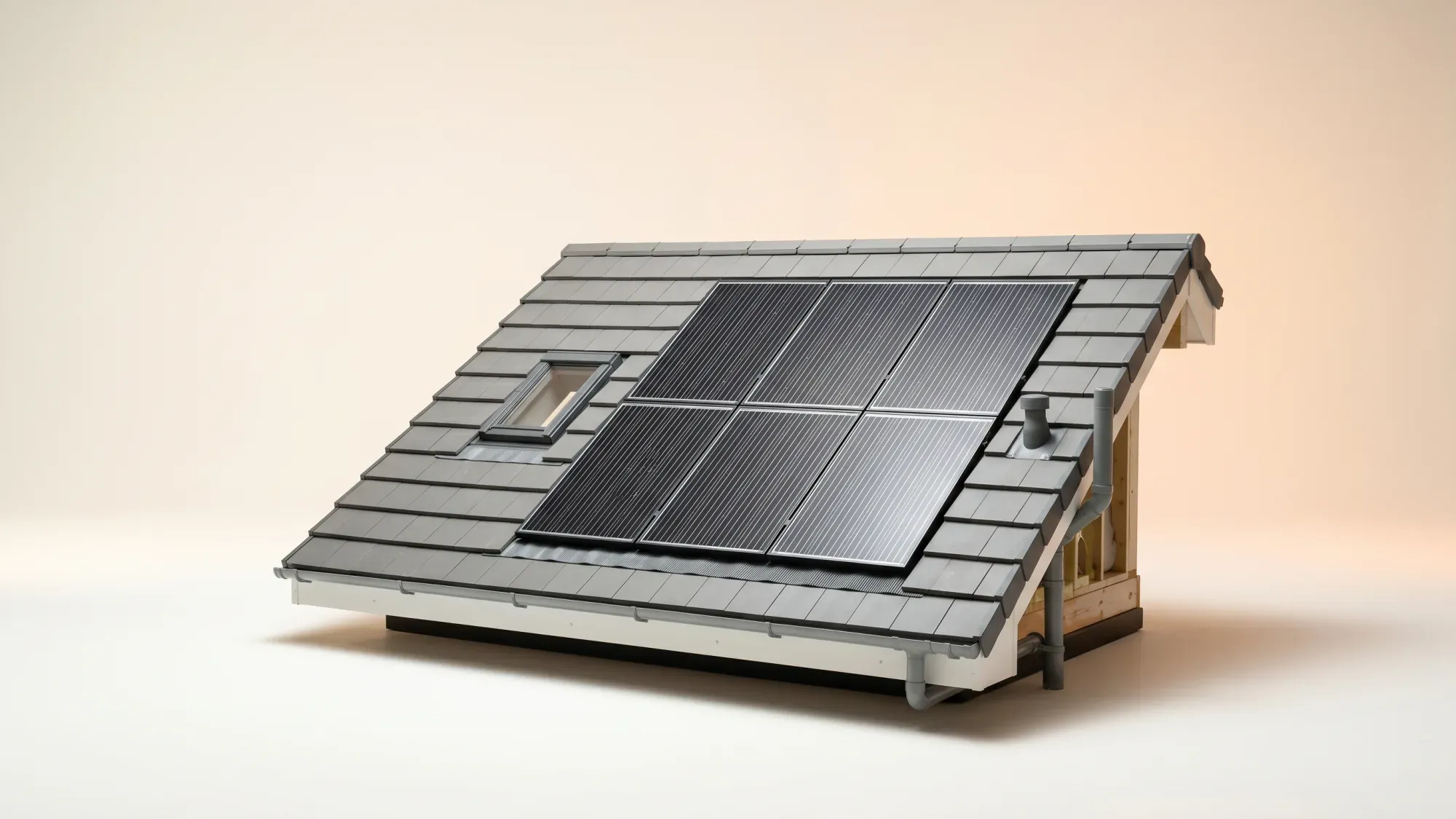
Achieving energy fit means more than just cutting down on your electricity use; it's about gaining unprecedented control and freedom over your home energy, leading to abundance and peace of mind. For too long, the conversation around home energy has focused on scarcity, urging consumers to 'use less'. But a truly energy-fit home optimises for cost, comfort, and control through integrated solutions, empowering you with greater control over your energy.
Ready to take control of your home's energy and achieve true energy freedom? Fuse Energy helps you understand and manage your usage with clear pricing and smart tools. Click here to switch to Fuse Energy today.
Enter your address to get a quote and see how much you could save
What does energy fit truly mean?
The idea of being energy fit has evolved significantly. While it once conjured images of simple efficiency, the modern definition encompasses a far broader, more empowering approach to how we interact with our home energy.
The traditional view: Feed-in Tariffs explained
For many years in the UK, the term energy fit was narrowly associated with the Feed-in Tariff (FiT) scheme. This government programme paid homeowners for generating their own renewable electricity, primarily through solar panels, and for any surplus they exported to the grid. The scheme aimed to encourage microgeneration and offered a financial incentive for those investing in small-scale renewable technologies. However, the Feed-in Tariff (FiT) scheme closed to new applications on 31 March 2019, making way for new mechanisms to support renewable energy generation. It was later replaced by the Smart Export Guarantee (SEG) for new microgeneration installations.
Redefining energy FIT: abundance and control
Today, energy fit means moving beyond the outdated notion that energy is a scarce resource you must constantly conserve. Instead, it's about creating a home energy system that works for you, offering abundance and control. This involves understanding your consumption, generating your own power, storing it, and intelligently optimising its use to balance cost savings with personal comfort. For example, considering the efficiency of an air source heat pump can be part of this optimisation. It challenges the traditional scarcity narrative, offering homeowners a path to genuine energy freedom.
The pillars of an energy FIT home
An energy-fit home is built on several interconnected pillars, each contributing to a holistic system that puts you in charge of your energy.
Smart metering and real-time data
The foundation of an energy-fit home is visibility. Smart meters provide real-time data on your electricity and gas consumption, moving beyond estimated bills and allowing you to see exactly how much energy you're using and when. This detailed insight is crucial for making informed decisions about your energy habits and identifying opportunities for optimisation. With a smart meter, you can track your usage, understand your meter readings in context, and gain insights into your overall energy consumption patterns.
How much electricity does the average UK home use?
The average UK home uses around 2,500 kWh of electricity per year, which equates to roughly 6.8 kWh per day. This figure, provided by Ofgem1, helps homeowners understand their typical consumption patterns and benchmark their usage against a national average.
Home generation: the rise of plug-in solar
Generating your own energy is a significant step towards an energy-fit home. While rooftop solar has been popular, compliant plug-in solar systems offer a more accessible entry point for many. These small, portable solar panels simply plug into a standard wall socket, allowing you to generate electricity for your home without complex installation. Statutory Instrument (SI) 2026/848 has legalised compliant standalone plug-in solar systems in the UK since 27 August 2026, with a maximum 800W AC export limit per device. After installation, you or your supplier must notify your Distribution Network Operator (DNO) under G98 within 28 days. This makes home generation a viable option for a wider range of homeowners, including those with smaller outdoor spaces or renters.
Energy storage and optimisation
Once you're generating your own energy, the next step is to optimise its use. This often involves energy storage solutions, such as home batteries, which allow you to store surplus electricity generated during the day for use in the evening or during peak times. While SI 2026/848 currently applies only to compliant standalone plug-in solar and not to plug-in batteries or hybrid solar-battery kits, the concept of storing energy is vital for maximising self-consumption and reducing reliance on the grid. By intelligently managing when you generate, store, and consume energy, you can significantly reduce your energy bills and increase your energy independence.
Beyond scarcity: achieving energy freedom
An energy-fit home empowers you to break free from the traditional scarcity mindset, replacing it with a sense of freedom and control over your energy use.
Taking control of your consumption
Instead of simply trying to 'use less', an energy-fit approach encourages you to take proactive control. This means understanding your energy patterns, identifying opportunities to shift consumption to cheaper times, and integrating smart technologies that automate these processes. For example, using smart appliances during off-peak hours or when your solar panels are generating electricity. This active management allows you to optimise your energy use to suit your lifestyle, rather than letting energy costs dictate your comfort.
Peace of mind: freedom from energy anxiety
The constant worry about rising energy costs and complex, opaque energy systems can be a significant source of anxiety for homeowners. Achieving energy freedom means alleviating this stress. By having greater control over your generation and consumption, and by optimising for cost and comfort, you gain peace of mind. You're no longer at the mercy of fluctuating prices or external factors; instead, you have the tools and knowledge to manage your home's energy proactively.
Your journey to an energy FIT future
Embarking on the path to an energy-fit home is a journey that can be tailored to your specific needs and circumstances.
Assessing your home's potential
The first step is to understand your current energy landscape. This involves reviewing your energy bills, identifying your peak consumption times, and assessing your home's potential for microgeneration, such as compliant plug-in solar. Consider factors like available outdoor space for panels, your typical daytime electricity usage, and whether a smart meter is already installed.
Integrating smart solutions
Once you have a clear picture, you can begin integrating smart solutions. This might start with a smart meter to gain real-time insights, followed by smart plugs or thermostats to automate control over specific appliances or heating. For those ready to generate their own power, compliant plug-in solar offers an accessible entry point. The key is to build a system that works together, providing you with greater visibility and control through an integrated approach.
Choosing the right energy partner
Selecting an energy supplier that supports your vision of an energy-fit home is crucial. Look for a partner that champions an abundance mindset, offering integrated tools and transparent insights into your energy usage. An ideal partner provides not just energy, but the means to manage it effectively, empowering you to make the most of your home generation and smart technologies.
Embrace the future of home energy
The future of home energy is not about deprivation; it's about empowerment. By embracing the principles of an energy-fit home, you can move beyond the scarcity narrative and unlock a future where you have abundant, controllable energy. This journey offers not only significant cost savings but also the comfort and peace of mind that comes from truly owning your home's energy destiny.
Managing your energy bills should be clear and easy to understand. Fuse Energy focuses on straightforward pricing, so you can see exactly what you're paying without unnecessary complexity. If you have a smart meter, you can view detailed usage data through the app or website, helping you understand how you can lower your bills. If you don't have a smart meter, Fuse Energy can upgrade your non-smart meter, completely for free. Our 24/7 human support team is always on hand with fast response times whenever you need help. Click here to switch to Fuse Energy today. Find out about our mission by clicking here.
References
Disclaimer
For the avoidance of doubt, this article is provided for informational purposes only and is not intended to constitute legal or financial advice. The author and/or Fuse Energy shall not be responsible for any losses arising out of any reliance on the information contained herein.