Developers gain power to build own grid connections
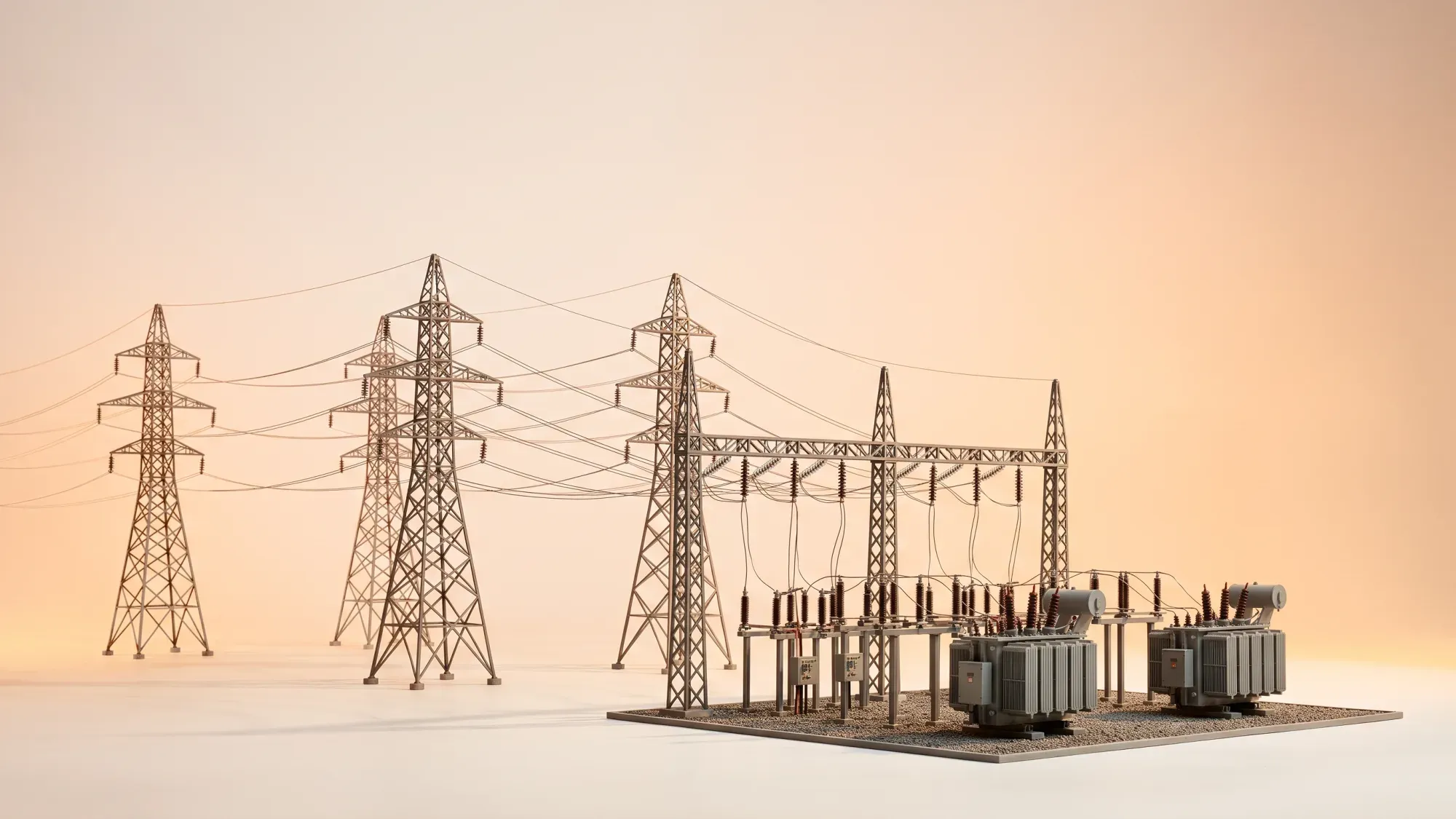
The UK Government has launched a significant shake-up of the nation's energy infrastructure, introducing the "Great British grid" initiative. This new publicly owned body, operating within Great British Energy, aims to empower developers to build their own electricity grid connections1, tackling long-standing blockages in construction projects and creating new opportunities across the energy sector. The government anticipates that expanding self-build connections will "cut delays and costs" for these projects.
These reforms are set to streamline the energy landscape, making it easier for large-scale projects to connect. For homeowners, understanding these changes can help you prepare for a more efficient and responsive energy future. Discover how Fuse Energy supports your home energy journey by clicking here to switch today.
Enter your address to get a quote and see how much you could save
Understanding electricity grid connections for UK homes
Connecting to the electricity grid is a fundamental step for any property in the UK, whether it's a new build or an existing home installing renewable energy systems like solar panels or battery storage. This connection ensures a reliable supply of power from the national network and, for those generating their own electricity, allows for the export of surplus energy back to the grid.
What is an electricity grid connection?
An electricity grid connection is the physical link between a property's electrical system and the wider national electricity network. This connection facilitates the flow of electricity to and from your home, enabling you to power appliances and, if applicable, send excess renewable energy back to the grid.
Why is connecting to the grid important for homeowners?
For homeowners, a grid connection is essential for daily living, providing access to a consistent power supply. For those embracing renewable technologies, it's equally crucial. Without a grid connection, home solar panels or battery storage systems would only be able to power the property directly, unable to draw from the national supply when needed or export surplus generation for potential earnings.
Key players in the UK grid connection process
Several key organisations oversee the UK's electricity grid. Ofgem is the independent energy regulator, responsible for setting standards and overseeing network companies. Distribution Network Operators (DNOs) manage the local electricity networks that deliver power to homes.
The Great British grid: what it means for homeowners
The Great British grid initiative marks a pivotal moment for UK energy infrastructure. While its immediate focus is on large-scale projects, the reforms are designed to create a more efficient and responsive network that could indirectly benefit homeowners in the long run.
Overview of the Great British grid initiative
The Great British grid (GBG) is a new publicly owned body established within Great British Energy. Its primary goal is to accelerate the delivery of critical electricity network infrastructure by investing public capital alongside private funds and increasing competition in transmission projects. The government's aim is to cut delays and costs for grid connections.
How developer-led reforms can indirectly benefit domestic connections
The GBG's initial focus is on empowering developers of large-scale projects, such as data centres and industrial plants, to build their own grid connections. While this doesn't directly apply to individual homeowner connections, the long-term vision is to streamline the entire grid. By removing blockages and speeding up connections for major power-hungry schemes, the overall network becomes more robust and efficient. This could eventually lead to a more responsive system for all users, potentially reducing future connection times and costs for domestic projects as the grid expands and modernises.
Government aims: cutting delays and costs across the network
The government anticipates that expanding self-build connections will "cut delays and costs" across the network. This approach draws inspiration from Ireland's experience, where similar reforms have been credited with reducing connection times by up to 11 months. Ofgem has previously noted that some contestably built connections in Ireland were not only 11 months quicker but also around 20% cheaper than traditional methods.
What are the main goals of the GBG?
The GBG aims to accelerate the delivery of critical electricity network infrastructure, increase competition in transmission projects, and empower developers to build their own connections. This initiative seeks to cut delays and costs for grid connections, streamlining the process for large-scale projects.
Connecting your home or renewable system to the grid
Connecting your home or a new renewable energy system to the grid involves a structured process, ensuring safety and compliance with national standards.
Step-by-step guide for new build connections
Connecting a new build to the grid typically follows these steps:
- Understand your specific connection needs: Determine the required power capacity for your new home.
- Identify your local distribution network operator (DNO): Your DNO manages the local network in your area.
- Submit a formal application: Provide all necessary technical and site-specific details to your DNO.
- Review the DNO's connection offer: This will include costs and timelines. You can accept or negotiate this offer.
- Arrange for physical installation: Approved contractors will install the necessary infrastructure.
- Obtain final approvals: Ensure all inspections and final approvals are secured before your connection is energised.
Specific considerations for home solar and battery systems
Connecting home renewable energy systems, such as solar panels and battery storage, has additional requirements. You'll need to ensure your system complies with G98 or G99 engineering recommendations, depending on its size. This involves notifying your DNO of your installation and, for larger systems, potentially undergoing an application and approval process before commissioning. These steps ensure your system can safely connect and interact with the wider grid, including exporting any surplus energy.
Engaging with your distribution network operator (DNO)
Your DNO is your primary point of contact for grid connections. Early engagement is crucial to understand their specific requirements, application processes, and any local variations. They will provide the necessary forms, technical specifications, and ultimately, your connection offer.
Costs, timelines, and regulations for domestic connections
Understanding the financial and time commitments, alongside the regulatory landscape, is key for any homeowner planning a grid connection.
Typical costs associated with homeowner grid connections
The costs for homeowner grid connections can vary significantly based on factors such as the property's location, the required capacity, and the existing network infrastructure. While the GBG aims to reduce costs for large projects, direct savings for individual homeowners are not immediately guaranteed. Costs typically cover application fees, network reinforcement (if needed), and the physical installation of cables and equipment.
Understanding connection timelines and potential delays
Connection timelines can range from a few weeks for simple installations to several months for more complex projects requiring network upgrades. Delays can arise from various factors, including planning permissions, equipment availability, and the DNO's workload. The broader reforms introduced by the GBG, by addressing systemic delays for larger projects, could eventually contribute to a more efficient system overall, potentially easing pressure on DNOs and improving timelines for domestic connections.
Navigating Ofgem regulations and local DNO requirements
Ofgem, the UK's energy regulator, sets the overarching framework for grid connections, ensuring fair practices and consumer protection. However, local DNOs implement these regulations, often with specific requirements tailored to their network. Homeowners must adhere to these national and local regulations, which cover everything from technical standards for equipment to safety protocols during installation.
Matthew Lynas noted that the government expects the move to increase competition, drive down costs, and speed up grid connections. He added that the GBG would compete against private sector energy network operators in an energy market requiring significant grid infrastructure investment. — Matthew Lynas
Future-proofing your home's electricity connection
The UK's energy landscape is undergoing rapid transformation, driven by the need for decarbonisation and increased energy independence. Understanding these changes can help homeowners make informed decisions about their electricity connections.
The evolving landscape of UK energy infrastructure
The GBG initiative is part of a wider effort to modernise and expand the UK's energy infrastructure. Ofgem estimates that transmission owners alone could spend more than £70 billion between 2026 and 2031 on grid expansion, a scale of investment not seen since the post-war period. This massive investment is crucial to support growing demand, integrate new sources of clean power, and ensure the grid can handle the increasing number of electric vehicles and home renewable energy systems.
How Fuse Energy supports your home energy journey
Fuse Energy supports homeowners on their home energy journey, aligning with a future of abundant and accessible power. We believe in rebuilding the energy system from scratch, supporting a more efficient grid infrastructure that can better accommodate distributed generation from homes. Our commitment to transparent app control helps customers understand their home energy usage, and our 24/7 human customer support is available to assist with your home energy needs.
Preparing for future grid expansion and smart energy solutions
As the grid expands and becomes smarter, homeowners can prepare by considering smart energy solutions. These include smart meters, which provide detailed energy consumption data, and smart home energy management systems that can optimise the use of renewable generation and battery storage. These technologies will become increasingly important in a future where the grid is more dynamic, allowing homes to play an active role in balancing energy supply and demand.
Managing your energy bills should be clear and easy to understand. Fuse Energy focuses on straightforward pricing, so you can see exactly what you're paying without unnecessary complexity. If you have a smart meter, you can view detailed usage data through the app or website, helping you understand how you can lower your bills. If you don't have a smart meter, Fuse Energy can upgrade your non-smart meter, completely for free. This can make it easier to track spending and make informed decisions about your energy use. Our 24/7 human support team is always on hand with fast response times of under 5 minutes whenever you need help. Click here to switch to Fuse Energy today. Find out about our mission by clicking here.
References
- Construction Enquirer. Developers to get power to build own grid connections
Disclaimer
For the avoidance of doubt, this article is provided for informational purposes only and is not intended to constitute legal or financial advice. The author and/or Fuse Energy shall not be responsible for any losses arising out of any reliance on the information contained herein.