Worcester boiler pressure: a homeowner's guide
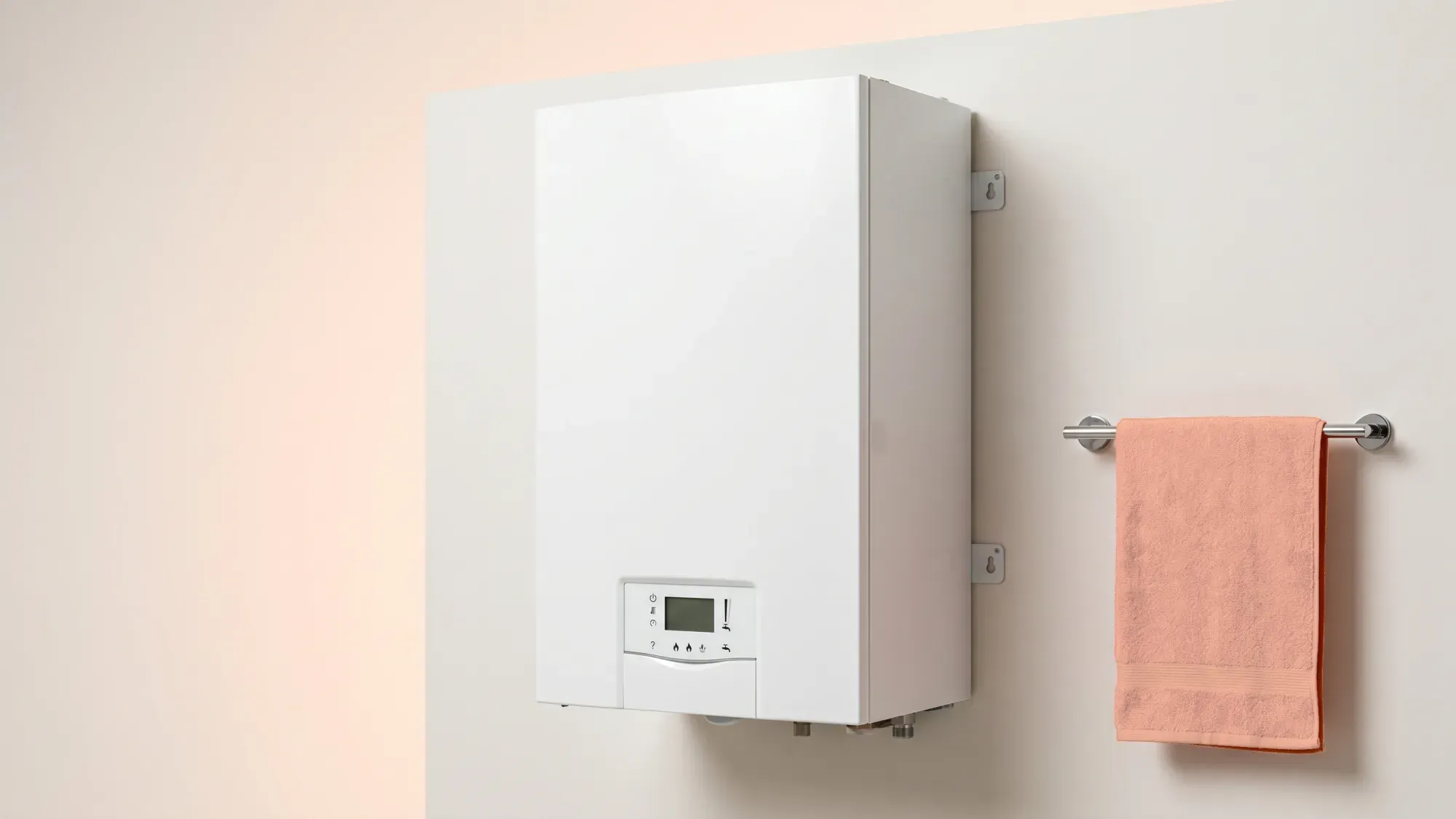
Maintaining the correct pressure in your Worcester boiler is crucial for an efficient and reliable central heating system. Low pressure can prevent your heating from working, while consistently high pressure might signal a fault. This guide explains how to check, understand, and safely adjust your Worcester boiler's pressure, empowering you to handle routine maintenance and recognise when professional help is needed.
Understanding your boiler pressure
Boiler pressure refers to the balance between water and air inside your central heating system. This pressure ensures that hot water circulates effectively through your radiators and back to the boiler. When the pressure is too low, the boiler may struggle to heat your home or even shut down as a safety measure. Conversely, excessively high pressure can put strain on the system and lead to issues like water leaks from the pressure relief valve.
Why is boiler pressure important?
The water in your central heating system needs to be under a certain amount of pressure to circulate properly. This pressure helps push the heated water from the boiler through all the pipework and radiators in your home, ensuring consistent warmth. Without adequate pressure, the system cannot function efficiently, leading to cold spots, reduced heating performance, or the boiler locking out entirely.
What is the ideal pressure for a Worcester boiler?
For most domestic boilers, including Worcester Bosch models, the ideal cold pressure is typically between 1 and 1.5 bar. This reading should be taken when the heating system is cold and not in use. As the system heats up, the pressure will naturally rise slightly, usually to around 1.5 to 2 bar, which is normal. If your boiler pressure consistently drops below 1 bar, it often indicates a leak in the system or that water has been lost during maintenance.
How to check your Worcester boiler pressure
Regularly checking your boiler's pressure gauge is a simple yet effective way to monitor the health of your heating system. It only takes a moment and can help you identify potential issues before they become major problems.
Locating the pressure gauge
Your Worcester boiler will have a built-in pressure gauge, usually a small dial with a needle, or a digital display. This gauge is typically located on the front panel of the boiler. It often features a green zone, indicating the optimal pressure range, and red zones for pressures that are too low or too high.
Interpreting the readings
When your heating system is cold, the needle or digital reading should sit within the green zone, ideally between 1 and 1.5 bar. If the needle is in the red zone below 1 bar, your boiler pressure is too low and will likely need repressurising. If the needle is consistently in the red zone above 2.5 or 3 bar, the pressure is too high, which could indicate a fault and may require professional attention.
Repressurising your Worcester boiler: a step-by-step guide
Repressurising your Worcester boiler is a common maintenance task that homeowners can often perform themselves. It typically involves using a filling loop to add water to the system. Always refer to your specific boiler's instruction manual for precise, model-specific guidance.
Identifying the filling loop
The filling loop is a small, braided metal hose with a valve at each end. It connects your boiler to the mains water supply. On some Worcester models, the filling loop might be external and clearly visible, while on others, it could be integrated into the boiler's pipework. Ensure the filling loop is securely connected before proceeding.
Adding water to the system
- Turn off your boiler: Switch off your boiler and allow it to cool down completely. This ensures accurate pressure readings and safe operation.
- Locate the filling loop valves: Identify the two valves on the filling loop.
- Slowly open the valves: Open both valves slowly, one after the other. You should hear water entering the system. Keep an eye on the pressure gauge.
- Monitor the pressure: As water enters, the pressure gauge needle will begin to rise. Continue to add water until the pressure reaches the ideal range of 1 to 1.5 bar (when cold).
- Close the valves: Once the desired pressure is reached, close both valves securely, starting with the one furthest from the boiler, then the one closest. It's crucial to close both valves tightly to prevent over-pressurising the system or allowing water to continuously enter.
What happens if I over-pressurise my boiler?
Over-pressurising a boiler can cause the pressure relief valve to open, releasing water to reduce the internal pressure. While this is a safety feature, it can lead to water damage if it happens frequently, and indicates an issue that needs addressing.
Securing the filling loop
If your boiler has an external filling loop, it is good practice to disconnect it after repressurising to prevent accidental over-pressurising. Store it safely until it's needed again. If your filling loop is integrated, simply ensure both valves are fully closed.
After repressurising, switch your boiler back on and monitor the pressure over the next few days for any significant changes.
Troubleshooting common Worcester boiler pressure issues
While repressurising can resolve many low-pressure issues, persistent problems often point to underlying faults. Knowing what to look for can help you decide whether to take further action or call a professional.
What to do if pressure is too high
If your boiler pressure rises above 2.5 or 3 bar when cold, it's too high. This can sometimes happen if the filling loop valves were not closed properly after repressurising, or if the pressure relief valve itself is faulty. The pressure relief valve is designed to open and release excess water to prevent damage. If this happens frequently, or if the pressure remains too high, it's best to consult a Gas Safe registered engineer.
Addressing persistent low pressure
If your Worcester boiler pressure keeps dropping shortly after you've repressurised it, this is a strong indicator of a leak somewhere in your central heating system. Leaks can occur in radiators, pipes, or even within the boiler itself. Ignoring persistent pressure drops can lead to more significant damage and inefficiency.
When to call a gas safe engineer
While checking and repressurising your boiler are tasks homeowners can manage, certain situations require the expertise of a Gas Safe registered engineer:
- Persistent pressure drops: If the pressure repeatedly falls after repressurising, indicating a leak.
- Boiler lockout: If your boiler frequently shuts down or displays fault codes related to pressure.
- Visible leaks: Any signs of water leaking from the boiler, pipes, or radiators.
- High pressure that won't drop: If the pressure remains too high even after the system cools down, or if the pressure relief valve is constantly discharging water.
- Unusual noises: Banging, gurgling, or whistling sounds from your boiler or heating system.
- Any work involving gas components: For safety reasons, only Gas Safe registered engineers should undertake repairs or adjustments to gas-related parts of your boiler.
Homeowners should always refer to their boiler's specific instruction manual for safe operation and maintenance. Gas Safe registered engineers must be used for any work involving gas components or complex boiler repairs.
Considering a boiler upgrade?
Understanding and maintaining your current Worcester boiler is valuable, but there comes a time when an upgrade to a more modern, efficient system makes economic and environmental sense.
The benefits of a modern, efficient boiler
Modern boilers, especially condensing models, are significantly more energy-efficient than older units. They recover more heat from the exhaust gases, leading to lower energy consumption and reduced heating bills. Upgrading can also mean improved reliability, quieter operation, and access to smart controls that offer greater comfort and convenience. A new boiler can provide a more reliable, future-proof heating solution for your home.
Fuse Energy's Vaillant ecotec Plus installations
Empowering homeowners with knowledge about their heating systems, regardless of boiler brand, aligns with Fuse Energy's vision of energy abundance. While Fuse Energy does not install, service, or repair Worcester Bosch boilers, our specialisation is in new Vaillant ecoTEC Plus boiler installations. We offer modern, efficient Vaillant ecoTEC Plus boilers as an upgrade for those seeking a reliable, future-proof heating solution. Providing clear, actionable advice helps homeowners maintain their current system, and offers a path to a more efficient Vaillant ecoTEC Plus when they consider an upgrade.
Disclaimer
For the avoidance of doubt, this article is provided for informational purposes only and is not intended to constitute legal or financial advice. The author and/or Fuse Energy shall not be responsible for any losses arising out of any reliance on the information contained herein.