Wood heating: comparing costs and alternatives
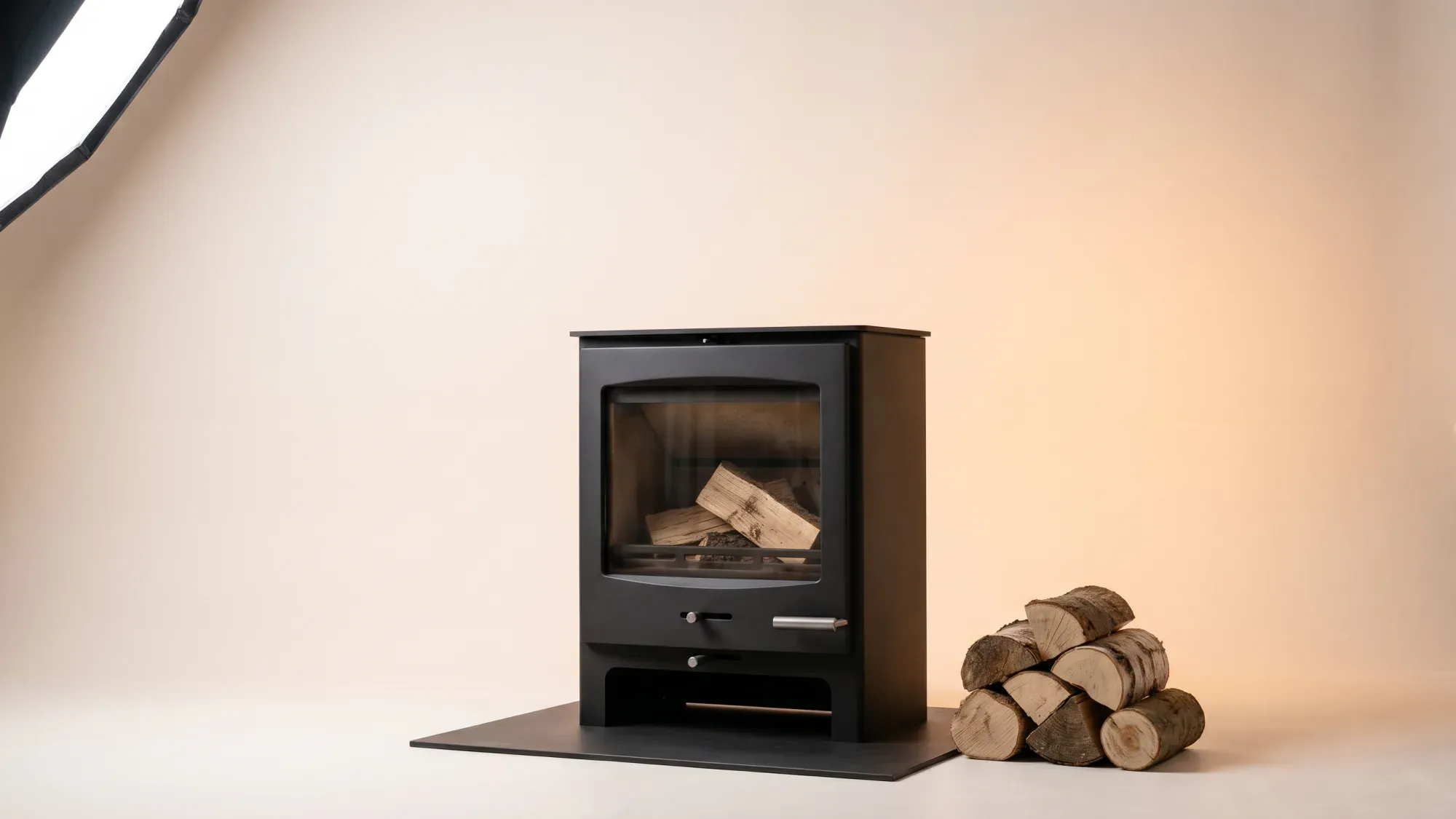
Heating your home with wood might seem like a cost-effective alternative to traditional gas and electricity, but the true expense often extends far beyond the initial purchase of logs. For UK homeowners, a comprehensive comparison reveals that modern energy solutions frequently offer superior long-term value, convenience, and environmental benefits.
Considering a smarter way to heat your home? Fuse Energy offers clear pricing and real-time usage data to help you manage your electricity and gas bills effectively. Click here to see how easy it is to switch.
Enter your address to get a quote and see how much you could save
Understanding the appeal of wood heating
Why homeowners consider wood
Many homeowners are drawn to wood heating for a variety of reasons, including a desire for perceived energy independence, the aesthetic appeal of a flickering fire, and the comforting warmth a wood burner provides. In an era of fluctuating energy prices, the idea of controlling one's heating costs by sourcing wood can be particularly attractive.
Initial perceptions of 'cheap wood'
The notion that wood is a "cheap" fuel source often stems from the raw price of logs or the possibility of sourcing wood for free. However, this initial perception frequently overlooks the substantial hidden costs and practical demands associated with wood heating. Without a full accounting of these factors, the perceived savings can be misleading.
The true cost of wood heating
The real cost of wood heating is a complex calculation that goes beyond the price per log. It encompasses everything from sourcing and storage to maintenance and the significant investment of time and effort.
Fuel sourcing and storage
The cost of seasoned firewood in the UK is a significant variable expense, depending on factors such as volume, wood type, and supplier. Beyond the purchase price, you need adequate, dry storage space to keep the wood seasoned and ready to burn. Seasoning wood yourself requires considerable time, adding to the overall commitment. For instance, dense hardwoods like oak can take 18-24 months to air season in the UK climate, while softwoods like pine might take 6-12 months.
Maintenance, effort, and hidden expenses
Wood heating demands substantial manual effort. This includes physically moving and stacking logs, regularly cleaning the stove and chimney, and disposing of ash. Chimney sweeping is an annual necessity to prevent dangerous soot build-up and ensure efficient operation. The average cost for a standard chimney sweep in the UK is around £72, though this can vary by region and the complexity of the job. Furthermore, the mess associated with bringing wood indoors and managing ash can impact home cleanliness.
Installation costs for wood burners
Installing a wood burner involves a significant upfront cost. This includes the appliance itself, the flue system, hearth, and professional installation, which can easily run into thousands of pounds. Unlike gas or electric heating, which often uses existing infrastructure, a wood burner typically requires a dedicated installation.
Wood heating versus modern energy alternatives
When comparing heating methods, it's crucial to look at the unit cost of energy and the efficiency of the system. Modern electricity and gas solutions offer predictable pricing and high efficiency, especially when integrated with smart technology.
Comparing electricity costs
Under the Ofgem Price Cap from 1 July to 30 September 2026, the average unit rate for electricity is 26.11p per kWh, inclusive of 5% VAT. The average UK home uses around 2,500 kWh of electricity per year, according to Ofgem's medium typical domestic consumption value (TDCV) effective from 1 July 2026. While electricity can be more expensive per kWh than gas, modern electric heating systems, such as heat pumps, are highly efficient, converting one unit of electrical energy into multiple units of heat. This efficiency can offset the higher unit rate.
Comparing gas costs
For gas, the average unit rate under the Ofgem Price Cap for the same period is 7.33p per kWh, inclusive of 5% VAT. An average UK home consumes approximately 9,500 kWh of gas annually, based on Ofgem's medium gas TDCV from 1 July 2026. Gas central heating offers instant, controllable warmth throughout the home, making it a convenient and generally lower-cost option for many households.
What is the Ofgem Price Cap?
The Ofgem Price Cap sets a maximum price that energy suppliers can charge per unit of gas and electricity for customers on standard variable tariffs. It is reviewed and updated quarterly, providing a benchmark for energy costs in the UK. This cap helps protect consumers from sudden, excessive price increases.
The value of smart energy integration
Modern electricity and gas heating solutions integrate seamlessly with smart home energy systems. Smart thermostats allow for precise temperature control, scheduling, and remote management via apps, optimising energy use and reducing waste. This level of convenience and control is largely absent from wood heating, which requires manual intervention.
Environmental impact and regulations
Environmental factors are increasingly important in heating choices, with regulations in place to mitigate the impact of wood burning.
Local air quality and smoke control areas
Many urban areas in the UK are designated Smoke Control Areas, where burning unauthorised fuels or using non-exempt appliances is prohibited. This is due to concerns over local air quality, as wood burning releases fine particulate matter (PM2.5) that can be harmful to health. Homeowners in these areas must ensure their wood burner is an 'exempt appliance' and that they only burn 'authorised fuels'. Fines can apply for non-compliance.
Carbon footprint considerations
While wood is often considered a renewable fuel, its carbon footprint is not negligible. The emissions from burning wood, coupled with the carbon released during harvesting, processing, and transportation, contribute to overall greenhouse gas levels. Some research suggests that burning wood for power can be worse for the climate than burning gas, especially when considering the full lifecycle and the time it takes for new forests to absorb carbon. Modern gas and electricity, especially with increasing renewable generation in the grid, can offer a lower carbon footprint.
Wood moisture content rules
To reduce air pollution, regulations like 'Ready to Burn' certification aim to ensure wood sold for burning has a low moisture content (20% or less). Burning wet wood produces more smoke and less heat, increasing harmful emissions. In England, it has been a legal requirement since May 2021 for wood sold in quantities under 2m³ to be 'Ready to Burn' certified. Homeowners must ensure their firewood meets these standards, whether purchased or seasoned themselves.
Making an informed choice for your home
Choosing a home heating method requires balancing financial costs with practicalities, convenience, and environmental responsibility.
Convenience and control
Modern electricity and gas systems offer unparalleled convenience. With the flick of a switch or a tap on an app, you can precisely control your home's temperature, schedule heating times, and enjoy consistent warmth without manual effort. Wood heating, by contrast, demands constant attention, from stoking the fire to managing fuel supplies.
Long-term viability and future-proofing
Investing in a heating solution means considering its long-term viability. The energy market is evolving towards cleaner, more integrated systems. Electricity and gas, particularly with advancements in renewable generation and smart grid technology, are well-positioned for the future. Wood heating, with its manual demands and environmental concerns, may face increasing regulatory scrutiny and practical limitations.
Holistic heating solutions
Ultimately, making an informed decision means looking at the holistic picture. While the upfront cost of wood might seem appealing, the hidden expenses, manual labour, environmental impact, and lack of modern convenience often make it a less attractive primary heating solution compared to the long-term value and ease of use offered by modern electricity and gas.
Managing your home's energy should be simple and transparent. Fuse Energy provides clear pricing and tools to help you understand and control your electricity and gas usage. With 24/7 human customer support and an easy sign-up process, you can take charge of your energy bills. Discover a modern energy experience designed around you. Click here to switch to Fuse Energy today, or learn more about our mission to make energy abundant here.
Disclaimer
For the avoidance of doubt, this article is provided for informational purposes only and is not intended to constitute legal or financial advice. The author and/or Fuse Energy shall not be responsible for any losses arising out of any reliance on the information contained herein.