White meter heating: understanding the RTS switch-off
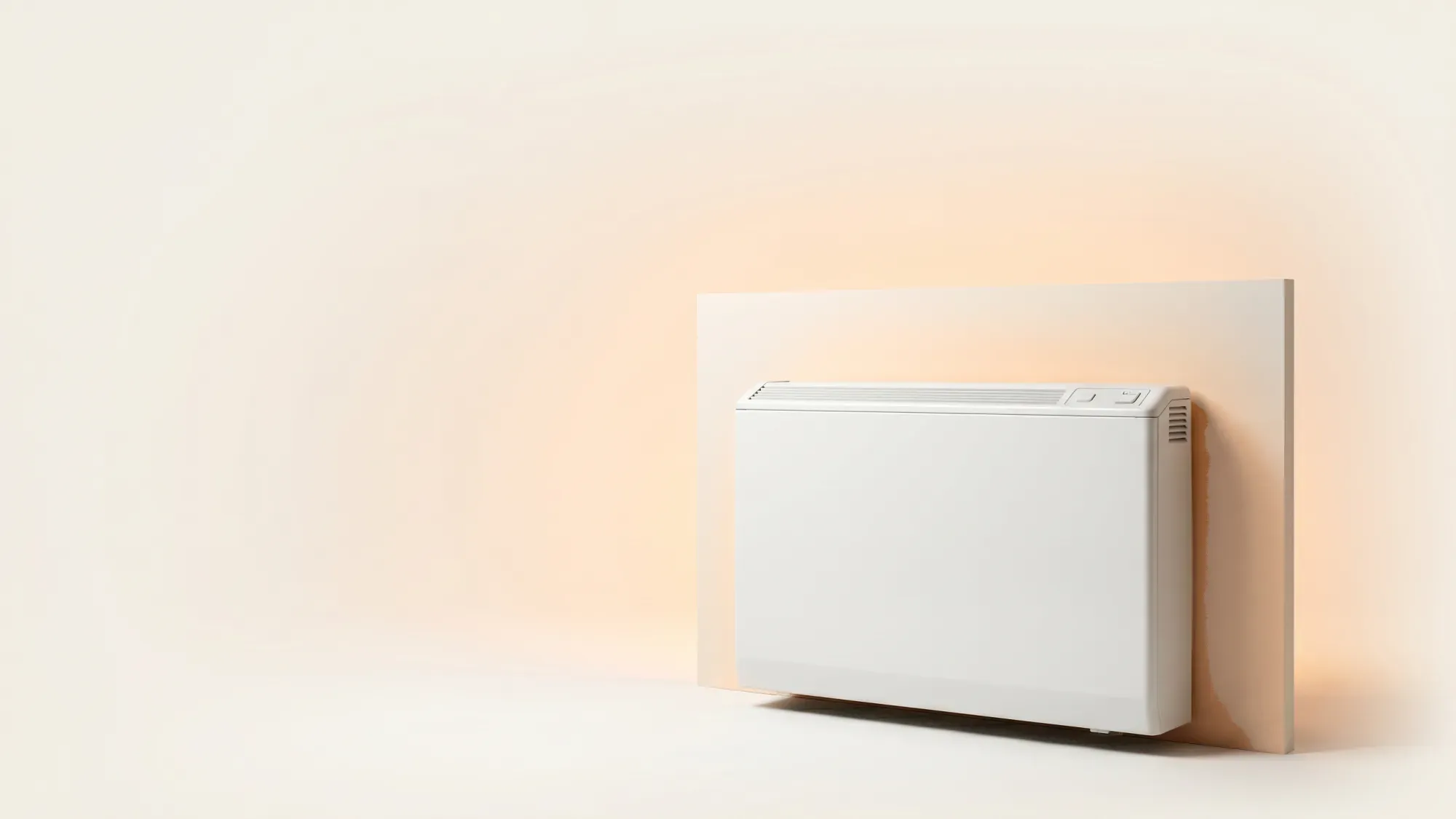
If your home relies on white meter heating, you might be wondering about its future, especially with the Radio Teleswitch Service (RTS) switch-off underway. This guide explains what white meter heating is, how the RTS switch-off affects you, and the straightforward steps you need to take to ensure your heating continues to run smoothly and efficiently. The good news is that upgrading your meter is free, and it opens the door to better energy management.
Modernising your home's energy system, including understanding white meter heating and the RTS switch-off, is a key step towards greater efficiency. Fuse Energy is committed to helping you navigate these changes with clear information and support for smart meter users. Click here to see how Fuse can support your home's energy needs.
Enter your address to get a quote and see how much you could save
What is white meter heating?
White meter heating refers to a legacy electricity metering system primarily used in homes with electric storage heaters. These meters allow for different electricity rates at various times of the day, typically offering cheaper electricity during off-peak, overnight hours. This lower rate encourages users to charge their storage heaters when demand on the grid is low, releasing heat throughout the following day.
How white meters work
White meters operate on a multi-rate tariff structure, meaning they record electricity consumption at different prices depending on the time of day. For homes with electric storage heaters, this usually translates to a "peak" rate during the day and a significantly cheaper "off-peak" rate overnight. The meter switches between these rates automatically, often controlled by a signal that tells it when to apply the cheaper tariff, allowing storage heaters to charge up at a lower cost.
White meter vs Economy 7: key differences
While both white meters and Economy 7 tariffs offer cheaper off-peak electricity, they are not quite the same. White meters are specifically designed for electric storage heating systems, often on a dedicated circuit, to take advantage of overnight charging. Economy 7, on the other hand, is a multi-rate tariff that applies to all electricity used in your home during specific off-peak hours (usually seven hours overnight), as well as a more expensive peak rate during the day. Many homes with white meter heating also use an Economy 7 tariff for their general household electricity, but the white meter itself is distinct and manages the heating load. Dual-rate tariffs, including Economy 7, depend on your meter's configuration (known as Standard Settlement Configuration, or SSC) to track usage accurately across different time periods. A smart meter is not always required; many manual dual-rate meters can also support these tariffs.
The radio Teleswitch service (RTS) switch-off explained
RTS is a broadcast system that has historically controlled many multi-rate electricity meters, including white meters, across Great Britain. It sends a signal to these meters, telling them when to switch between peak and off-peak rates, ensuring storage heaters charge at the correct times.
Why the RTS is being switched off
The RTS is an outdated technology that has become increasingly unreliable and expensive to maintain. It relies on longwave radio signals, which are susceptible to interference and are no longer a sustainable way to manage modern energy networks. As part of the UK's move towards a smarter, more efficient energy system, the RTS is being phased out.
Impact on white meter users
The RTS phase-out means that meters relying on this signal will no longer be able to switch between peak and off-peak rates automatically. This could lead to storage heaters charging at peak rates, significantly increasing energy bills, or even losing off-peak rates entirely. It is crucial for white meter users to address this change to avoid unexpected costs and ensure their heating system continues to function as intended.
Key dates and regulatory information
The phase-out of RTS began on 30 June 2025. Ofgem, the UK's energy regulator, oversees this transition to protect consumers. They mandate that energy suppliers must replace RTS meters with smart meters at no additional cost to the customer. This ensures that homes can continue to benefit from multi-rate tariffs and access the advantages of modern metering technology.
When did the RTS switch-off begin?
The phase-out of RTS, which controls many multi-rate electricity meters, officially began on 30 June 2025. This industry-wide change means that meters relying on the RTS signal will eventually stop receiving instructions to switch between peak and off-peak electricity rates.
What to do if you have a white meter
If you have white meter heating, taking proactive steps now will ensure a smooth transition and prevent any disruption to your energy supply or unexpected increases in your bills.
Identifying your meter type
The easiest way to determine if you have a white meter or an RTS meter is to check your electricity meter itself. Look for a label that says "RTS" or "Radio Teleswitch" or a meter that has multiple displays for different rates (e.g., "Rate 1" and "Rate 2"). If you are unsure, your energy bill should indicate if you are on a multi-rate tariff, or you can contact your current energy supplier who can confirm your meter type.
Arranging your free smart meter upgrade
Ofgem requires energy suppliers to replace RTS meters with smart meters free of charge. You do not have to pay for this upgrade. Contact your current energy supplier as soon as possible to arrange the installation of a new smart meter. This replacement is essential to ensure your heating system continues to operate on the correct off-peak rates after the RTS is switched off.
Reading your new smart meter
Smart meters provide accurate, real-time data on your energy consumption. Unlike older meters that might have multiple dials or digital displays you need to manually read, smart meters automatically send readings to your supplier. You can typically view your energy usage in kilowatt-hours (kWh) via an in-home display unit or through your energy supplier's online portal or app. This allows you to monitor how much electricity you are using and when, helping you understand your energy habits. According to Ofgem, the energy regulator, the average UK home uses around 2,500 kWh of electricity per year, a figure updated from 1 July 2026.
Benefits of upgrading to a smart meter
Upgrading to a smart meter is more than just a replacement for an outdated system; it is an upgrade that offers several advantages for managing your home's energy.
Accurate billing and real-time data
Smart meters send automatic readings to your energy supplier, which means an end to estimated bills and the need for manual meter readings. This leads to more accurate billing, reflecting your actual energy usage. Furthermore, many smart meters come with an in-home display that shows your energy consumption in real-time, allowing you to see exactly how much electricity you are using and how much it is costing you.
Access to flexible tariffs
With a smart meter, you gain access to a wider range of energy tariffs, including more flexible time-of-use tariffs. These tariffs can offer even cheaper rates during specific off-peak periods than traditional Economy 7, allowing you to optimise your energy usage and potentially save more money by running appliances or charging storage heaters when electricity is cheapest.
Greater control over your energy usage
The real-time data and access to flexible tariffs provided by smart meters give you greater control over your energy usage. You can identify which appliances consume the most electricity and adjust your habits to reduce consumption during peak, more expensive periods. This insight empowers you to make informed decisions about your energy use, leading to potential savings and a better understanding of your home's energy footprint.
Switching energy suppliers after your upgrade
Once your current supplier has replaced your white meter with a smart meter, you will be on a modern system that offers more choice and flexibility.
Choosing a modern energy provider
With a smart meter installed, you are in a much better position to explore the market for an energy supplier that best suits your needs. Look for providers that offer competitive smart tariffs, excellent customer service, and tools that help you make the most of your new meter's capabilities. A modern energy provider will offer transparent billing, easy-to-understand usage data, and potentially innovative tariffs designed for smart meter users.
How Fuse Energy supports smart meter users
Once your current supplier has replaced your white meter with a smart meter, Fuse Energy offers a modern, digital-first energy experience with greater control and transparency. Fuse Energy is committed to empowering customers with insights into their energy consumption, helping them to access more flexible tariffs and manage their home's energy effectively. We encourage customers to embrace modern metering and tariffs, rather than settling for outdated systems that will soon be obsolete.
Managing your home's energy should be clear and easy. Fuse Energy focuses on straightforward pricing, so you can see exactly what you are paying without unnecessary complexity. If you have a smart meter, you can view detailed usage data through the app or website, helping you understand how you can lower your bills. Our 24/7 human support team is always on hand with fast response times whenever you need help. Click here to switch to Fuse Energy today. Find out about our mission by clicking here.
Disclaimer
For the avoidance of doubt, this article is provided for informational purposes only and is not intended to constitute legal or financial advice. The author and/or Fuse Energy shall not be responsible for any losses arising out of any reliance on the information contained herein.