Optimal carbon monoxide detector placement
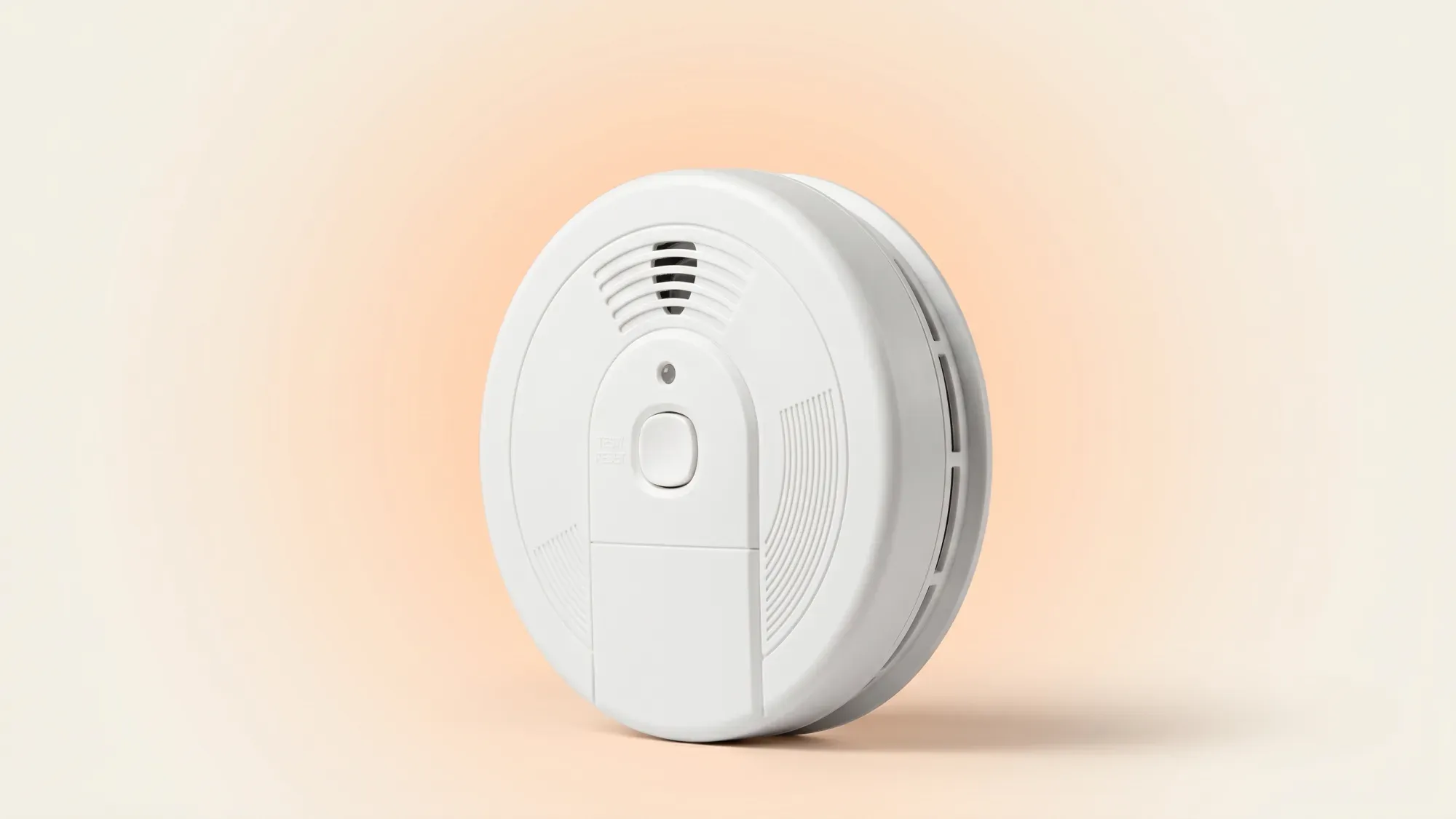
Carbon monoxide (CO) is a highly toxic gas, often called the 'silent killer' because it is colourless, odourless, and tasteless, making it impossible to detect without an alarm. Installing a CO detector is an essential step in protecting your home and family, but its effectiveness hinges on correct placement. This guide cuts through the confusion, offering clear, authoritative advice on optimal CO detector placement, adhering to UK regulations and best practices.
Keeping your home safe from hidden dangers like carbon monoxide is crucial. Fuse Energy provides clear pricing and in-app usage data to help you manage your energy, so you can focus on what matters most - your family's well-being. Click here to switch to Fuse Energy today.
Enter your address to get a quote and see how much you could save
Understanding carbon monoxide: the silent killer
What is carbon monoxide?
Carbon monoxide (CO) is a poisonous gas produced when fuels like gas, oil, coal, and wood do not burn completely. It is often referred to as the 'silent killer' because it has no smell, taste, or colour, making it impossible for humans to detect without an alarm.
Why is CO so dangerous?
When inhaled, CO prevents your blood from carrying oxygen, starving your body's vital organs of the oxygen they need. Symptoms of CO poisoning can mimic common illnesses like the flu, including headaches, dizziness, and nausea, but can quickly escalate to unconsciousness or even death. You are particularly vulnerable to CO poisoning while asleep, as you may not wake up or recognise the symptoms.
Common sources of CO in the home
In UK homes, the primary sources of carbon monoxide typically include faulty, poorly installed, or unmaintained fuel-burning appliances. These can range from gas boilers, gas fires, and wood-burning stoves to open fires, oil-fired appliances, and solid fuel cookers. Blocked or leaky flues and chimneys can also lead to CO leaking into a room.
UK regulations and your responsibilities
Legal requirements for landlords
The Smoke and Carbon Monoxide Alarm (England) Regulations 2015, updated by the Smoke and Carbon Monoxide Alarm (Amendment) Regulations 2022, mandate specific requirements for landlords. These regulations came into force on 1 October 2022.
Since this date, landlords must ensure a carbon monoxide alarm is equipped in any room used as living accommodation that contains a fixed combustion appliance (excluding gas cookers). This includes appliances such as gas boilers, gas fires, oil-fired boilers, and wood-burning stoves. Landlords are also responsible for repairing or replacing alarms once informed they are faulty. They must check that alarms are in proper working order at the start of each new tenancy. Failure to comply with a remedial notice can result in a civil penalty of up to £5,000.
Building regulations for new homes
Building Regulations for new homes often specify requirements for CO alarms, particularly where fuel-burning appliances are installed. Approved Document J for England and Wales outlines guidance for combustion appliances and fuel storage systems. It has been amended to include guidance that where a new or replacement fixed flued combustion appliance of any fuel type (oil, gas, solid fuel) is installed in a dwelling, a carbon monoxide alarm should be provided. These amendments came into effect on 1 October 2022.
Best practice for homeowners
While not legally mandated for owner-occupiers in the same way as for landlords, installing CO alarms is strongly recommended by safety organisations and fire services. It is best practice to install at least one carbon monoxide detector on each floor of your home, especially in rooms with fuel-burning appliances and in or near sleeping areas, for optimal safety.
Optimal carbon monoxide detector placement
General placement guidelines
Carbon monoxide is slightly lighter than air at room temperature, but it mixes readily with air, meaning placement at head height or on a wall is generally effective. Detectors should typically be placed at head height on a wall or shelf, or as per manufacturer instructions. For wall-mounted alarms, this means at least 150mm from the ceiling, but above the height of any door or window. For ceiling-mounted alarms, they should be at least 300mm from any wall.
Near fuel-burning appliances
The most critical placement for your first CO detector is in the same room as any fuel-burning appliance, such as your boiler, gas fire, or wood-burning stove. Position the alarm between 1 and 3 metres horizontally from the potential source of CO, but no less than 1 metre. This distance allows CO to disperse slightly and reach the detector effectively, without being overwhelmed by initial combustion gases from a perfectly functioning appliance.
In or near sleeping areas
You spend a significant amount of time asleep, making this a high-risk period for CO poisoning. Place a detector in or near every room where someone sleeps. This could be in the bedroom itself or in the hallway directly outside the bedroom door. Ensure the alarm is audible from sleeping areas and test it regularly to confirm you can hear it while asleep.
Multi-storey homes and open-plan living
For homes with multiple levels, install at least one CO detector on each floor. Consider hallways, especially on floors without appliances. In open-plan living areas, strategic placement is key to cover the entire space effectively.
Where not to place your detector
Avoiding common mistakes
Avoid placing detectors too close to fuel-burning appliances (closer than 1 metre), as this can lead to nuisance alarms. Installing detectors in locations that are too high or too low can compromise their ability to detect CO effectively. Do not place them in an enclosed space, such as a cupboard or behind a curtain, or where they can be obstructed by furniture.
Areas to steer clear of
Carbon monoxide detectors should not be placed directly above a window or door, or in direct draughts from air vents or extractor fans, as this can dilute CO before it reaches the detector or cause false readings. Also, avoid areas of high humidity like bathrooms or directly above cooking hobs, as steam can affect their operation. Detectors should not be placed where the temperature may drop below -5°C or exceed 40°C, or where dirt and dust may block the sensor.
Installation and maintenance tips
Mounting height and location
Always follow the manufacturer's instructions for mounting height and location, as these can vary slightly between models. Generally, CO alarms are positioned at head height on a wall or shelf, between 1 and 3 metres from the appliance.
Testing and replacing your detector
CO alarms have a typical lifespan of 5-10 years, depending on the model. It is crucial to replace them after this period to ensure continued reliability, as their sensors can become ineffective over time. Most alarms will alert you when they are reaching their end of life. You should test your carbon monoxide detectors at least once a month by pressing the 'test' button to ensure the alarm sounds. Regularly clean your detector to prevent dust or cobwebs from blocking the sensor.
How often should I test my carbon monoxide detector?
You should test your carbon monoxide detector at least once a month. This involves pressing the 'test' button on the device to ensure the alarm sounds. If it doesn't, the batteries may need replacing or the unit itself might need to be replaced. Regular testing ensures the alarm is functioning correctly.
What to do if your alarm sounds
If your carbon monoxide alarm sounds continuously, it could indicate the presence of CO in the air. In such an event, you should immediately open windows and doors to ventilate the property, turn off all fuel-burning appliances, and evacuate everyone from the building. Seek medical attention if anyone is feeling unwell and do not re-enter the property until it has been declared safe by a qualified professional. Remember, a CO alarm is not a substitute for regular servicing of fuel-burning appliances.
Managing your home's energy can be simpler with Fuse Energy. We offer straightforward pricing and tools to help you understand your usage, so you can make informed decisions about your energy consumption. Our 24/7 human support team is always on hand to help. Click here to switch to Fuse Energy today. Find out more about our mission to make energy fairer by clicking here.
Disclaimer
For the avoidance of doubt, this article is provided for informational purposes only and is not intended to constitute legal or financial advice. The author and/or Fuse Energy shall not be responsible for any losses arising out of any reliance on the information contained herein.