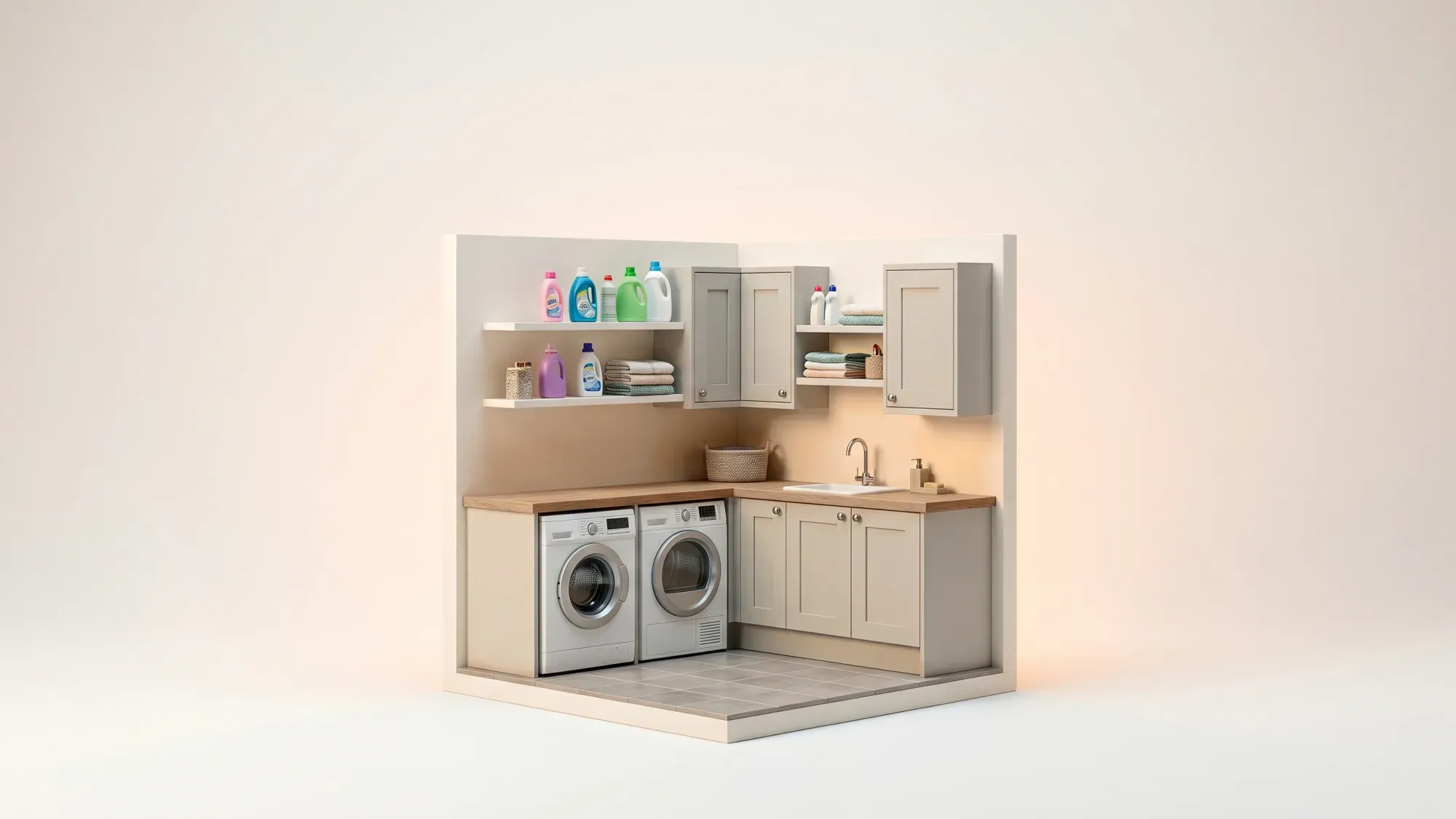
Understanding which appliances consume the most electricity is the first step to managing your energy bills effectively. Many UK households find it challenging to pinpoint these energy drains, leading to unexpectedly high costs. This guide will help you identify the biggest culprits and offer practical strategies to optimise your energy use.
Understanding what uses the most electricity in your home is key to managing your energy bills. Fuse Energy provides real-time data and tools to help you understand your energy patterns and make informed decisions. Click here to switch to Fuse Energy today.
Knowing how your home uses electricity is crucial for controlling your energy bills. It allows you to make informed decisions about appliance use and identify areas where you can reduce consumption without sacrificing comfort.
Why knowing your consumption matters
Understanding your electricity consumption helps you avoid common pitfalls, such as underestimating the cumulative impact of smaller appliances or standby power. By focusing on where your energy goes, you can implement targeted changes that lead to real savings. This knowledge empowers you to manage your energy more effectively, rather than feeling powerless against rising costs.
The average UK household's electricity consumption
The average UK home uses around 2,500 kWh of electricity per year. This figure, set by Ofgem1, helps energy suppliers provide typical usage figures and allows households to benchmark their own consumption. Understanding this average provides a baseline for identifying whether your household's usage is higher or lower than typical, and where you might focus your efforts to reduce it.
Appliances that generate heat or move air and water are typically the biggest electricity consumers in a household. However, the cumulative effect of everyday electronics and standby power can also add up.
Appliances that generate heat
Appliances that generate heat, such as electric showers, tumble dryers, and ovens, typically use the most electricity in a house. These devices require significant energy to raise temperatures, making them major contributors to your electricity bill. For example, a tumble dryer can be one of the most expensive appliances to run, especially if used frequently. Similarly, electric ovens and hobs consume a lot of power during cooking.
Appliances that move air or water
Appliances that move air or water, such as washing machines, dishwashers, and fans, also contribute significantly to household electricity consumption. While often more efficient than heat-generating appliances, their frequent use can still impact your bill. A washing machine's energy use can vary greatly depending on the cycle chosen, with hotter washes consuming more electricity. Fans, while seemingly small, can add up if left running for extended periods.
Everyday electronics and standby power
Even when turned off, many electronic devices continue to draw a small amount of electricity. This "phantom load", or standby power, can account for a significant portion of a household's electricity bill. Devices like broadband routers, televisions, and DVD players contribute to this hidden waste. Unplugging devices or using smart plugs can help eliminate this unnecessary consumption.
Knowing which appliances use the most electricity is only half the battle; understanding how much that usage costs is essential for effective management.
Calculating appliance running costs
To calculate the running cost of an appliance, you need to know its power rating (in watts), how long you use it, and your electricity unit rate. The formula is: (Power in Watts / 1000) * Hours Used * Cost per kWh. This allows you to estimate the financial impact of each appliance.
The impact of the electricity unit rate
The cost of electricity per kilowatt-hour (kWh) directly impacts your bills. In the UK, the Ofgem Price Cap for electricity is 26.11p per kWh from 1 July 2026. This unit rate, combined with your consumption, determines the total amount you pay. Monitoring this rate and understanding its effect on your usage can help you make smarter energy choices.
Reducing your electricity consumption doesn't always mean sacrificing comfort. Often, small changes in behaviour or smart investments can lead to significant savings.
Behavioural changes for high-usage appliances
Focusing on high-impact appliances first yields the best results. For tumble dryers, consider air-drying clothes when possible, or use a lower heat setting. For washing machines, opt for colder washes and ensure full loads. With ovens, try batch cooking to maximise heat use, or use smaller appliances like microwaves or slow cookers for smaller meals. Turning off lights when leaving a room and unplugging chargers when not in use are simple, effective habits.
Investing in energy-efficient alternatives
When replacing old appliances, look for energy-efficient models. Appliances with higher energy ratings consume less electricity, leading to long-term savings. While the initial cost might be higher, the reduced running costs often make them a worthwhile investment.
Smart home technology for better control
Smart home devices, such as smart thermostats and smart plugs, offer enhanced control over your energy usage. They allow you to schedule appliance use, monitor consumption in real-time, and identify energy waste more easily. This technology can automate energy-saving actions, making it simpler to reduce your overall electricity consumption.
Fuse Energy empowers customers to understand and control their energy consumption, transforming energy from a source of anxiety into a resource they can manage effectively.
Real-time insights into your usage
Fuse's app and real-time data offer the capability to track and analyse personal electricity consumption, identifying specific energy-hungry habits that generic advice might miss. This allows you to see the immediate impact of your changes and make informed decisions about how to best use your energy.
Personalised energy management
By providing real-time data and insights, Fuse shifts the balance of power to the customer. You gain genuine control over your energy use and bills, moving beyond a scarcity mindset to an empowered approach of optimising and managing. Fuse Energy also offers 24/7 human customer support for any queries you may have about your energy usage.
Understanding what uses the most electricity in your home is the first step towards taking control of your energy bills. By identifying high-consumption appliances, understanding costs, and implementing practical strategies, you can significantly reduce your household's electricity usage. With tools like Fuse Energy, you can gain real-time insights and personalise your energy management, ensuring you're always in control. Ready to take control of your energy? Click here to switch to Fuse Energy today.