What is a fixed energy tariff?
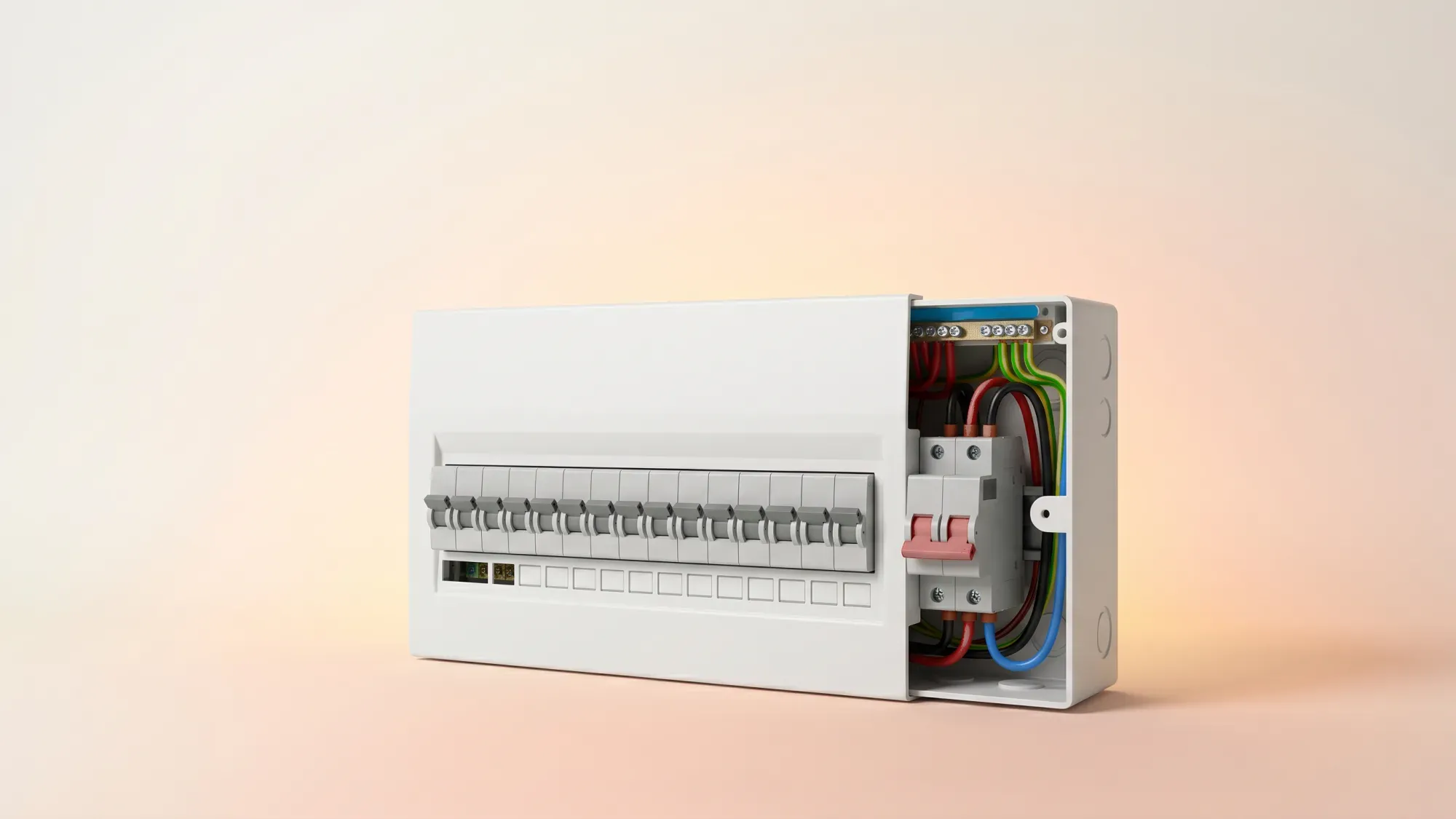
A fixed energy tariff locks in your unit rate and standing charge for a set period, typically between 12 and 18 months. This means the price you pay per unit of energy (kilowatt-hour, or kWh) and your daily standing charge remain constant, regardless of market fluctuations. Fixed tariffs offer predictability in your energy costs, which can be a powerful tool for household budgeting and peace of mind in an unpredictable energy market.
Choosing a fixed energy tariff can bring stability to your household bills. Fuse Energy offers clear pricing and tools to help you manage your energy usage effectively.
What is a fixed energy tariff? Here's how that connects to your home supply: With Fuse Energy, you get clear pricing, real-time usage data, 24/7 human customer support, and a modern energy experience designed around you. Signing up takes just a few minutes, so you can take control of your bills from day one. Click here to switch to Fuse Energy today and start saving.
Enter your address to get a quote and see how much you could save
Understanding fixed energy tariffs
What defines a fixed tariff?
A fixed energy tariff is characterised by its stable pricing structure. Once you sign up, the unit rate - the cost per kilowatt-hour (kWh) of electricity or gas - and the daily standing charge are guaranteed not to change for the duration of your contract. This duration usually runs for 12 to 18 months. This differs significantly from variable tariffs, where rates can fluctuate. Fixed tariffs often include exit fees if you decide to leave the contract early, outside of specific regulatory windows.
How do fixed tariffs work?
When you choose a fixed tariff, your energy supplier agrees to provide electricity and/or gas at a predetermined price for the entire contract term. To offer these stable prices, suppliers typically buy the energy they expect to supply over the contract length in advance. It's important to remember that while the unit rate and standing charge are fixed, your total monthly bill will still vary based on how much energy you use. The more energy you consume, the higher your bill will be, even with fixed rates.
Fixed vs variable tariffs: key differences
The energy price cap and fixed tariffs
The energy price cap, set by Ofgem, the UK's energy regulator, establishes a maximum unit rate and standing charge for customers on a default variable tariff. This cap is reviewed and can change quarterly. Fixed tariffs, however, are not directly affected by these quarterly changes. This means that customers on a fixed tariff are insulated from potential price cap increases for the duration of their contract, offering a layer of protection against market volatility.
How often does the energy price cap change?
Ofgem reviews the energy price cap every three months, with price changes taking effect on 1 January, 1 April, 1 July, and 1 October each year. This ensures that prices reflect gas and electricity costs more quickly, but it also means variable tariff rates can change four times a year.
When do variable tariffs change?
Variable tariffs, also known as standard variable tariffs (SVTs), have unit rates and standing charges that can go up or down based on wholesale energy prices and the energy price cap. These rates are typically updated quarterly, on 1 January, 1 April, 1 July, and 1 October. Unlike fixed tariffs, variable tariffs do not have a set end date and usually do not include exit fees.
Benefits and drawbacks of fixed energy deals
The advantages of choosing a fixed tariff
The primary advantage of a fixed tariff is the budget predictability it offers. Knowing your unit rates and standing charge won't change for a set period allows for more accurate financial planning and can alleviate anxiety about fluctuating energy costs. This stability can be particularly valuable during periods of market uncertainty, as you are protected from potential price increases. For an average UK home, which uses around 2,500 kWh of electricity and 9,500 kWh of gas per year, this predictability can translate into significant peace of mind.
Potential disadvantages to consider
While fixed tariffs offer stability, they also come with potential drawbacks. If wholesale energy prices fall significantly, you could be locked into a higher rate than those available on new variable tariffs. Additionally, most fixed tariffs include exit fees if you decide to switch away from the contract before its end date. These fees can make it costly to leave a deal early if a cheaper option becomes available or if your circumstances change.
Navigating your fixed tariff contract
Understanding exit fees and regulatory windows
Exit fees are charges applied if you leave a fixed-rate tariff early, either by switching to another supplier or changing to a different tariff with your current provider. However, there are specific regulatory windows where these fees do not apply. You cannot be charged an exit fee if you switch within the first 14 days of your contract (the cooling-off period) or within the last 49 days of your contract. This 49-day window is designed to allow you to switch without penalty as your contract approaches its end.
What happens when your fixed tariff ends?
As your fixed tariff approaches its end, your energy supplier will contact you with your options. If you do not actively choose a new tariff, you will typically be rolled onto your supplier's Standard Variable Tariff. This default tariff is subject to the energy price cap and its rates can change quarterly, potentially leading to higher costs. It is crucial to proactively review new offers and compare tariffs at the end of your fixed term to ensure you remain on a deal that suits your needs and budget.
Choosing the right energy tariff for your home
Factors to consider
When choosing an energy tariff, consider your personal preferences for price stability versus flexibility, your typical energy usage, and the current market conditions. If budget predictability is a priority, a fixed tariff might be suitable. If you prefer the flexibility to switch without fees and are comfortable with rates that can fluctuate, a variable tariff could be a better fit. Always compare available deals from different suppliers, paying attention to contract length, unit rates, standing charges, and any exit fees.
Fuse Energy: transparent pricing and support
Fuse Energy aims to empower customers with control and clarity over their energy costs. We provide transparent pricing for our fixed tariffs, clearly outlining unit rates and standing charges. Our 24/7 human customer support ensures you always have assistance when you need it, enhancing your peace of mind. Additionally, Fuse offers free smart meter upgrades, enabling you to access modern tariffs and manage your energy proactively.
Conclusion
Understanding fixed energy tariffs is key to securing stable costs and better managing your household budget. By locking in your unit rates and standing charges, you gain predictability and insulation from market fluctuations. While exit fees and missing potential price drops are considerations, regulatory protections and proactive management at the end of your contract can help you navigate these. Making an informed choice about your energy tariff empowers you to take control of your energy future.
Disclaimer
For the avoidance of doubt, this article is provided for informational purposes only and is not intended to constitute legal or financial advice. The author and/or Fuse Energy shall not be responsible for any losses arising out of any reliance on the information contained herein.