Underfloor heating costs: installation and running
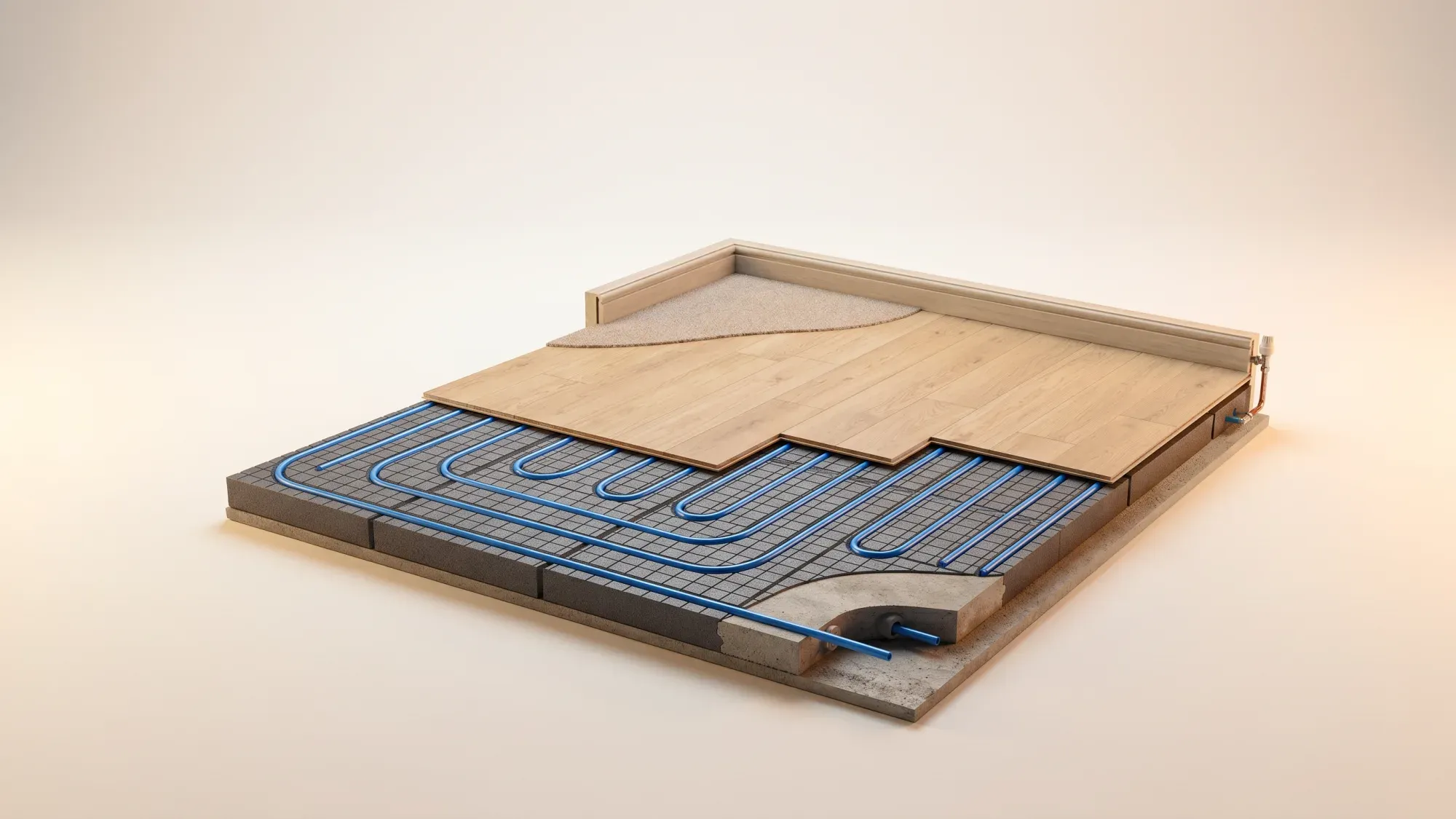
Underfloor heating (UFH) offers comfortable warmth without visible radiators, but understanding the total financial commitment involves more than just the initial purchase. For UK homeowners, both installation and long-term running costs are key to making an informed decision. This guide breaks down these costs, explores system types, and provides actionable strategies to optimise efficiency.
Underfloor heating can bring comfortable warmth to your home, and managing its running costs is easier with clear energy insights. Switch to Fuse Energy today for transparent billing and smart tools to help you understand your usage. Click here to get started.
Enter your address to get a quote and see how much you could save
Understanding underfloor heating costs
UFH costs are generally split into two main categories: the upfront expense of installation and the ongoing cost of running the system. While installation is a one-off payment, running costs accumulate over the system's lifetime and can significantly impact your overall budget.
Installation vs running costs
Installation costs cover the materials, labour, and any necessary preparatory work for fitting the UFH system. These can vary widely depending on the type of system chosen and the complexity of the project. Running costs, on the other hand, are determined by your energy consumption, the efficiency of your system, and your energy tariff. Often, systems with higher installation costs (like wet UFH) can lead to lower running costs in the long term, and vice-versa for electric systems.
Key factors influencing overall cost
Several factors play a crucial role in the total cost of underfloor heating. These include the size of the area to be heated, the level of insulation in your property, the existing floor construction, and the sophistication of the control system you choose. Poor insulation, for instance, can drastically increase running costs by allowing heat to escape.
Types of underfloor heating systems and their costs
There are two primary types of underfloor heating systems available in the UK: electric (dry) and wet (hydronic). Each has distinct installation and running cost profiles.
Electric underfloor heating costs
Electric UFH systems use heating cables or mats installed directly beneath the floor covering. They are generally simpler and quicker to install, making them a popular choice for renovations or smaller areas like bathrooms. Installation costs for electric underfloor heating typically range from £40 to £100 per square metre, including materials and labour.
Wet underfloor heating costs
Wet UFH systems circulate warm water through a network of pipes laid beneath the floor, connected to a boiler or heat pump. While more complex to install, they are often more energy-efficient for larger areas. Installation costs for wet underfloor heating generally range from £70 to £190 per square metre, including materials and labour.
Cost comparison: electric vs wet systems
Electric systems are typically cheaper and faster to install, often reaching the desired temperature in 20-40 minutes. They are ideal for single rooms, renovations, or as a supplementary heat source, especially where raising floor height is an issue due to their thin mats and wires. However, their running costs can be significantly higher due to the higher price of electricity per unit compared to gas.
Wet systems, while more expensive and complex to install, offer lower running costs and are considered more energy-efficient overall, particularly for large-scale renovations, new builds, or whole-house solutions requiring continuous, stable warmth. They can reduce heating bills by up to 20% compared to conventional radiators when used with a modern boiler, and up to 40% more efficient with an air or ground source heat pump.
Installation cost breakdown
Understanding what contributes to the overall installation cost can help homeowners budget effectively.
Materials and equipment
This includes the heating mats or cables for electric systems, or the pipes, manifold, and pump for wet systems. Insulation boards are also a critical material, as proper insulation is essential for efficient operation and to meet Building Regulations.
Labour and professional installation
The cost of labour will vary based on the complexity of the installation, the type of system, and regional rates. Wet systems typically involve more plumbing work, leading to higher labour costs.
Floor preparation and insulation
Adequate subfloor preparation is crucial. This might involve ensuring the floor is clean, level, and sealed, and potentially using self-levelling compounds. Installing high-quality insulation boards beneath the UFH system is vital to minimise heat loss downwards and ensure the system operates efficiently. Building Regulations require effective insulation to minimise heat loss.
Control systems and thermostats
The choice of control system, from basic thermostats to advanced smart zoning systems, will impact the overall installation cost. Smart controls can significantly improve efficiency but come with an additional upfront expense. Electric UFH systems, for example, require room thermostats with manual override capabilities.
Underfloor heating running costs
The ongoing cost of running underfloor heating is a major consideration, often outweighing the initial installation cost over the system's lifespan.
Factors affecting energy consumption
Energy consumption is influenced by several factors, including the property's insulation levels, the chosen UFH system type (electric or wet), the desired room temperatures, and how often the system is used. Poor insulation can lead to substantial heat loss, directly increasing how much energy is needed to maintain comfort.
Estimating running costs for electric systems
Electric UFH running costs can be significantly higher than wet systems, especially for heating an entire house, because electricity is generally more expensive per kilowatt-hour (kWh) than gas. For context, the average UK home uses around 2,500 kWh of electricity per year.
Estimating running costs for wet systems
Wet UFH systems typically have lower running costs due to the lower price of gas per kWh. When paired with an efficient heat source like a modern condensing boiler or a heat pump, they can be a cost-effective way to heat larger areas. The average UK home uses around 9,500 kWh of gas per year.
Optimising underfloor heating running costs
Reducing the long-term running costs of underfloor heating is achievable through smart choices and energy management.
The role of insulation
Effective insulation is the cornerstone of an efficient underfloor heating system. It prevents heat from escaping, meaning your system doesn't have to work as hard to maintain the desired temperature. Proper insulation can reduce heat loss by up to 30-40%, directly impacting your running costs. For instance, insulating solid walls can cut heating expenses significantly.
How much can insulation save on heating costs?
Proper home insulation can significantly reduce energy bills. For example, loft insulation can save between £135 and £250 a year, while cavity wall insulation can save £85 to £280 annually. Overall, well-insulated homes can cut heating costs by up to 30%, leading to substantial long-term savings.
Smart thermostats and zoning
Smart thermostats and zoning controls are powerful tools for optimising UFH efficiency. They allow you to heat specific rooms or areas only when needed, preventing energy waste in unoccupied spaces. Zonal control, where different rooms are heated individually, can save around 12% in gas consumption compared to a basic system. Smart automation, which learns your habits, can lead to 8-18% gas savings in real homes. These systems also allow remote access, so you can adjust your heating from anywhere via a smartphone or tablet.
Leveraging smart meters and energy tariffs
Smart meters provide real-time insights into your energy consumption, allowing you to monitor and adjust your underfloor heating usage for maximum efficiency. By understanding when and how much energy your UFH is using, you can make informed decisions. Fuse's app, for example, provides transparent insights into energy usage, empowering homeowners to manage their consumption and potentially reduce bills. Homeowners often pair this with a smart meter installation to track usage, and understanding what a kWh is can further help manage costs. This aligns with a future where abundant, affordable energy allows comfortable warmth without high energy bills.
Maintenance tips for efficiency
Regular maintenance, such as checking for leaks in wet systems and ensuring thermostats are calibrated correctly, can help maintain optimal efficiency. Keeping your system well-maintained ensures it operates as intended, preventing unnecessary energy consumption.
Is underfloor heating a worthwhile investment?
Deciding whether underfloor heating is worth the investment involves weighing the upfront costs against the long-term benefits of comfort and potential savings.
Long-term savings and comfort
While installation costs can be substantial, particularly for wet systems, the long-term running cost savings, especially with wet UFH, can make it a financially sound decision over time. The consistent, radiant heat provided by UFH is often considered more comfortable than traditional radiators, offering an even warmth throughout the room.
Environmental considerations
Modern UFH systems, especially wet systems paired with low-carbon heat sources like heat pumps, align well with current Building Regulations (Part L) which focus on energy efficiency and reducing carbon emissions. These regulations mandate effective system controls and proper insulation to minimise heat loss. Investing in an efficient UFH system can contribute to a lower carbon footprint for your home.
Underfloor heating can be a significant investment, but by carefully considering the system type, optimising insulation, and utilising smart controls, homeowners can enjoy comfortable warmth while managing their energy bills effectively.
Ready to take control of your home's energy usage, including your underfloor heating? Fuse Energy offers transparent pricing, real-time usage data through our app, and 24/7 human customer support. Switching is quick and easy. Click here to switch to Fuse Energy today and start managing your energy more effectively. You can also learn more about our mission to make energy simpler and fairer here.
Disclaimer
For the avoidance of doubt, this article is provided for informational purposes only and is not intended to constitute legal or financial advice. The author and/or Fuse Energy shall not be responsible for any losses arising out of any reliance on the information contained herein.