Tracker tariffs: dynamic energy pricing
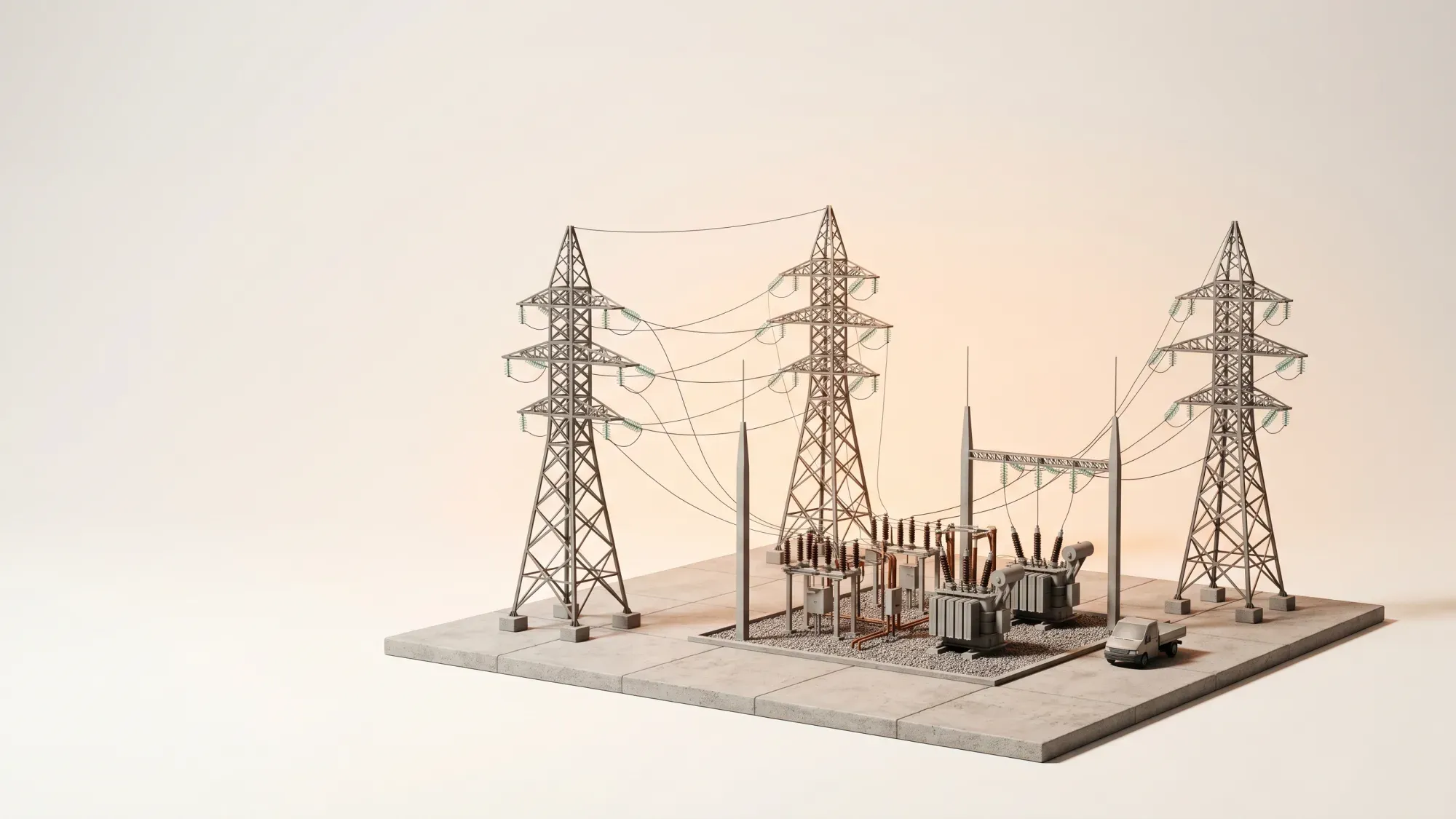
Tracker tariffs link your energy prices directly to the fluctuating wholesale market, offering a dynamic approach to managing household energy costs. This guide explains how these tariffs operate, their potential benefits and risks, and how they compare to other energy options available in the UK. Understanding these dynamics can empower you to make informed decisions about your energy supply and gain greater control over your bills.
Considering a dynamic approach to your energy? While Fuse Energy doesn't offer wholesale-linked tracker tariffs, our variable tariffs are tied to the Ofgem Price Cap, providing stability with competitive rates. Plus, our app gives you significant control and insight into your energy usage. Click here to switch to Fuse Energy today.
Enter your address to get a quote and see how much you could save
What are tracker tariffs?
A tracker tariff is an energy plan where the unit rates you pay for electricity and gas are directly tied to the wholesale cost of energy. Unlike traditional tariffs, these rates can change frequently, often daily, reflecting the real-time price of energy on the market. This direct link means you could benefit when wholesale prices are low, but also face higher costs when they rise.
Definition of a tracker tariff
What is a tracker tariff?
A tracker tariff is an energy plan that directly links your household electricity and gas unit rates to the wholesale price of energy. These rates can fluctuate daily, allowing you to pay closer to the market rate, which can lead to savings when wholesale prices are low but also exposes you to potential increases.
How they differ from fixed and standard variable tariffs
Tracker tariffs stand apart from both fixed and standard variable tariffs. Fixed tariffs lock in your unit rates and standing charges for a set period, typically between 12 and 18 months, providing predictability but often coming with exit fees if you leave early. Standard variable tariffs (SVTs), on the other hand, have rates that can change, but these are primarily governed by the Ofgem Price Cap, which is updated quarterly on 1 January, 1 April, 1 July, and 1 October. Tracker tariffs offer a more immediate reflection of market conditions than either of these options.
How tracker tariffs work
The core mechanism of a tracker tariff involves a direct pass-through of wholesale energy prices to the consumer. This means your energy bill isn't based on a static rate or a quarterly cap, but on the daily ebb and flow of the energy market.
Linking to wholesale energy prices
Energy suppliers offering tracker tariffs purchase electricity and gas on the wholesale market. The price they pay changes constantly, influenced by factors such as global supply and demand, weather conditions, and geopolitical events. With a tracker tariff, your unit rates are adjusted to mirror these wholesale costs, often with a small, fixed margin added by the supplier. This direct linkage means you're exposed to the same market forces as the suppliers themselves.
Daily price fluctuations and updates
The most significant characteristic of tracker tariffs is their daily price adjustments. Your supplier will typically notify you of the next day's rates in advance, often through a dedicated app or online portal. This constant change means that the price you pay for electricity or gas can be different each day, or even within different time blocks on the same day. For example, the average UK home uses around 2,500 kWh of electricity per year and 9,500 kWh of gas per year, according to Ofgem's medium typical domestic consumption values (TDCVs)1. With a tracker tariff, however, the cost of each kWh could vary significantly day-to-day depending on market conditions.
The role of smart meters and apps
Effective management of a tracker tariff relies heavily on smart meters and accompanying energy apps. A smart meter accurately records your energy consumption, often sending half-hourly readings to your supplier. This data, combined with the daily price updates provided through a supplier's app, allows you to see how much energy you're using and what it's costing you in near real-time. Without a smart meter, the benefits of a daily fluctuating tariff would be difficult to realise, as accurate and timely usage data is essential for making informed decisions about when to use energy. Homeowners often pair this with a smart meter installation to track usage more effectively.
Benefits of tracker tariffs
For the right household, tracker tariffs can offer several compelling advantages, particularly during periods of low wholesale energy prices.
Potential for lower bills
When wholesale energy prices are consistently low, customers on tracker tariffs can see significant savings compared to those on fixed or standard variable rates. This is because you're paying closer to the actual market cost, avoiding the higher premiums that suppliers might build into other tariffs to hedge against future price rises. The transparency of these tariffs means you can directly observe the market trends influencing your costs.
Transparency in pricing
Tracker tariffs offer a high degree of transparency. You can often see the wholesale price data that your tariff is based on, allowing you to understand exactly why your rates are changing. This contrasts with other tariffs where the factors influencing price adjustments might be less clear. This openness can foster a greater sense of control and understanding over your energy expenditure.
Encouraging energy efficiency
The daily visibility of energy prices can act as a powerful incentive for energy efficiency. Knowing that electricity might be cheaper at certain times of the day, or that a sudden spike in wholesale prices will immediately impact your bill, encourages more conscious energy consumption. This can lead to households actively shifting high-usage activities, such as running washing machines or charging electric vehicles, to off-peak, lower-cost periods, thereby reducing overall consumption and costs.
Risks and considerations
While tracker tariffs offer potential benefits, they also come with inherent risks and require a proactive approach to energy management.
Price volatility and uncertainty
The primary risk of a tracker tariff is price volatility. Wholesale energy prices can be unpredictable and are subject to rapid and significant changes. While low prices can lead to savings, high prices can quickly increase your bills. This uncertainty means that your monthly energy costs can fluctuate considerably, making budgeting more challenging. There's no guarantee that a tracker tariff will always be cheaper than other options, especially during periods of market instability.
Active management requirements
To truly benefit from a tracker tariff, you need to be actively engaged with your energy consumption. This means regularly checking daily price updates and adjusting your energy usage patterns to take advantage of lower rates. Households that prefer a "set and forget" approach to their energy bills may find the demands of a tracker tariff too high, potentially leading to higher costs if usage isn't optimised. Integrating smart home technology can help automate some of this management, but a degree of oversight is still required.
Eligibility and availability
Not all households are eligible for tracker tariffs. They typically require a smart meter for accurate and frequent readings. Availability can also be limited, with not all energy suppliers offering these types of tariffs. It's important to check with individual suppliers for their specific eligibility criteria and whether tracker tariffs are offered in your region.
Tracker tariffs vs other dynamic options
The energy market offers various pricing structures, and it's crucial to understand how tracker tariffs fit into this landscape, particularly concerning other dynamic options.
Wholesale-linked vs price-cap-linked tariffs
The key distinction lies in what the tariff 'tracks'. Wholesale-linked tracker tariffs follow the daily fluctuations of the wholesale energy market. In contrast, many variable tariffs, including those offered by Fuse Energy, are linked to the Ofgem Price Cap. The Ofgem Price Cap sets a maximum unit rate and standing charge for default tariffs, and these rates are reviewed and updated quarterly. This means price-cap-linked tariffs offer more stability than wholesale trackers, with changes occurring only four times a year (1 January, 1 April, 1 July, and 1 October), rather than daily. You can learn more about this by understanding your energy bill.
Comparing with fixed-rate tariffs
Fixed-rate tariffs offer price certainty, with unit rates and standing charges remaining constant for the duration of the contract, typically 12 to 18 months. This predictability can be appealing for budgeting, but you might miss out on savings if wholesale prices drop significantly. Fixed tariffs often come with exit fees if you switch before the contract ends. Tracker tariffs, while offering potential savings, introduce price uncertainty, making them suitable for those comfortable with market fluctuations.
Comparing with standard variable tariffs
Standard variable tariffs (SVTs) are the default option for many households and are subject to the Ofgem Price Cap. While their rates can change, these changes are less frequent and less volatile than those of wholesale-linked tracker tariffs. SVTs do not typically have exit fees, offering flexibility. For households seeking a balance between market exposure and price stability, SVTs provide a middle ground, with rates adjusted quarterly in line with regulatory limits.
Fuse Energy's approach to dynamic pricing
Fuse Energy recognises the importance of dynamic pricing in empowering customers and optimising energy costs. While Fuse Energy does not currently offer a wholesale-linked tracker tariff, its approach focuses on providing transparency, control, and value through its variable tariffs and innovative app features.
Fuse's variable tariffs and the Ofgem Price Cap
Fuse Energy's variable tariffs are linked to the Ofgem Price Cap, meaning unit rates and standing charges are updated quarterly in line with the cap's adjustments. This provides a dynamic pricing model that responds to broader market conditions while offering more stability than daily wholesale trackers. Fuse aims to offer competitive rates within this framework, ensuring customers benefit from fair pricing without the extreme daily volatility of wholesale-linked tariffs.
Empowering control with the Fuse app
Fuse Energy's app is designed to give customers significant control and insight into their energy usage. Even with price-cap-linked tariffs, the app provides detailed consumption data, allowing you to monitor your electricity and gas use and understand how it impacts your bills. This transparency empowers you to make informed decisions about your energy habits, helping you to optimise costs. For customers with solar panels, Fuse Energy pays 13p per kWh for electricity exported to the grid under the Smart Export Guarantee (SEG).
Future of dynamic energy management
Fuse Energy is continuously exploring ways to empower customers with dynamic pricing solutions, aligning with its mission to rebuild the energy system to deliver abundant, clean energy. As the energy landscape evolves, Fuse aims to set the stage for future innovations in energy management that will further help customers manage usage and optimise costs. This includes supporting the transition away from legacy systems like the Radio Teleswitch Service (RTS), which is being phased out from 30 June 2025, by ensuring customers have access to modern smart metering solutions. For more details on how energy prices are regulated, you can read our article on the Ofgem Price Cap explained.
Ready to take control of your energy bills? Fuse Energy offers clear pricing, real-time usage data through our app, and 24/7 human customer support to help you manage your household energy. Our straightforward variable tariffs are linked to the Ofgem Price Cap, providing a balance of stability and competitive rates. Switching is quick and easy, so you can start making smarter energy choices today. Click here to switch to Fuse Energy. You can also learn more about our mission to deliver abundant, clean energy by visiting our mission page.
References
Disclaimer
For the avoidance of doubt, this article is provided for informational purposes only and is not intended to constitute legal or financial advice. The author and/or Fuse Energy shall not be responsible for any losses arising out of any reliance on the information contained herein.