Storage heater: how they work and how to optimise them
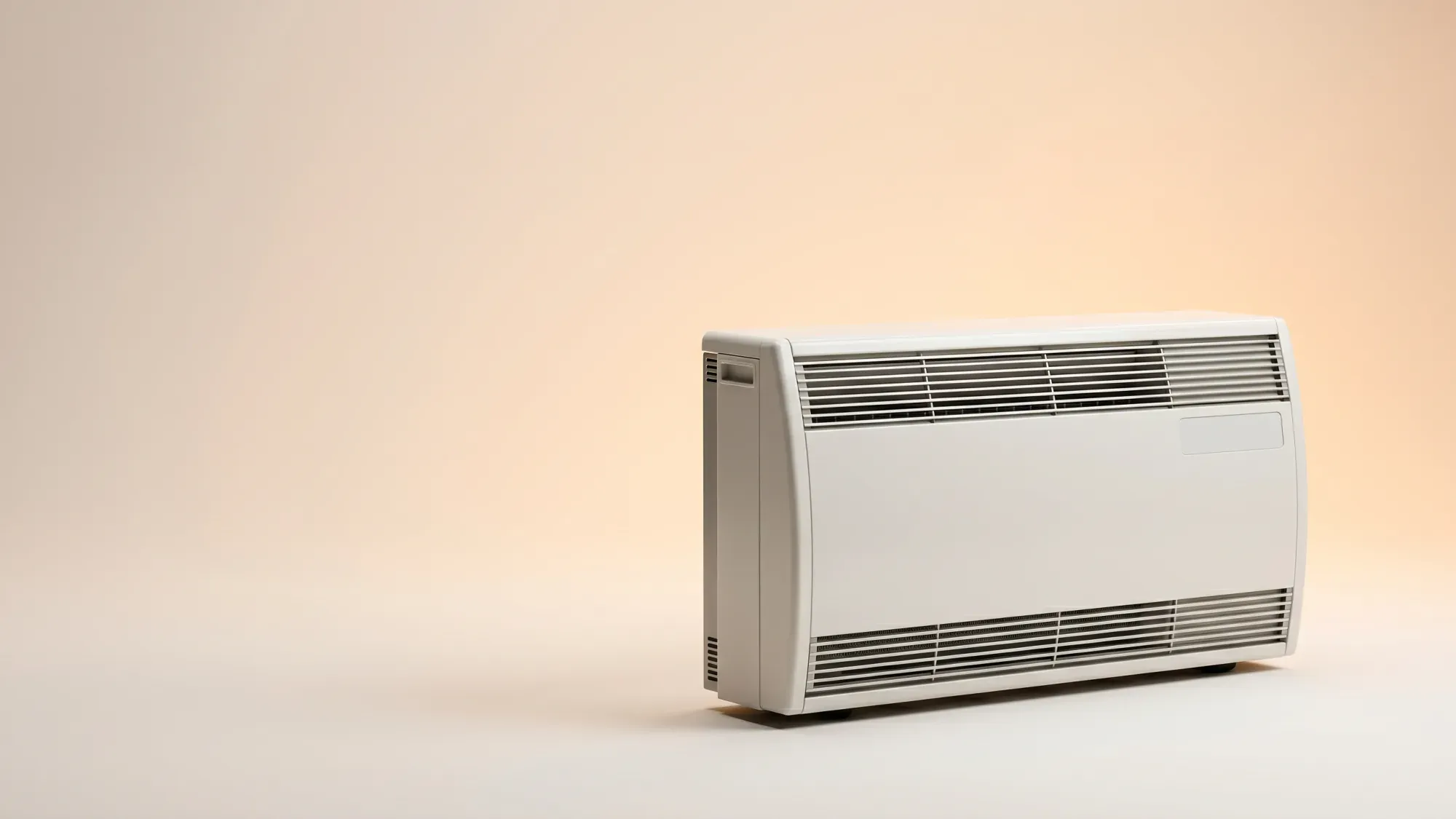
Electric storage heaters store heat during off-peak electricity hours, typically overnight, and release it throughout the day. For UK homeowners, understanding how these heaters operate, their running costs, and how to improve efficiency or decide on replacement can be a challenge. Optimising your storage heaters can lead to significant savings on your energy bills.
Understanding how to get the most from your storage heaters can significantly impact your energy bills. Fuse Energy offers transparent tools and smart features to help you manage your electricity usage effectively, putting you in control of your home's heating. Click here to switch to Fuse Energy today.
Enter your address to get a quote and see how much you could save
Understanding your storage heater
What is a storage heater?
A storage heater is an electric heating system designed to take advantage of cheaper, off-peak electricity tariffs. These units contain special ceramic bricks that absorb and store thermal energy when electricity is less expensive, usually overnight. This stored heat is then gradually released into your home during the day, providing warmth without drawing from more expensive peak-rate electricity.
How do night storage heaters work?
Night storage heaters operate by converting electricity into heat, which is then absorbed by internal ceramic blocks. This charging process typically occurs during the designated off-peak hours of your electricity tariff. Once charged, the heater releases this stored heat into the room. Older models often lack precise control, leading to wasted heat and higher running costs.
The role of Economy 7 and multi-rate tariffs
Economy 7 is a multi-rate electricity tariff that offers cheaper electricity for seven hours, typically overnight, and a higher rate during the day. Storage heaters are designed to charge during these off-peak hours, making them more economical to run than standard electric heaters that draw power at peak rates. Other multi-rate tariffs exist, offering similar benefits for those with flexible energy usage patterns. Understanding your specific tariff and its charging periods is crucial to maximising savings.
What is Economy 7?
Economy 7 is a multi-rate electricity tariff providing cheaper electricity for seven hours, usually overnight. It's designed for appliances like night storage heaters that can charge during off-peak periods, helping homeowners reduce their energy costs by shifting consumption to lower-priced hours.
Optimising your existing storage heater
Even with an older storage heater, there are steps you can take to improve its efficiency and reduce running costs.
Mastering input and output controls
Storage heaters typically have two main controls:
- Input control: This regulates how much heat the ceramic bricks store during the charging period. Set it according to the expected temperature and your heating needs for the following day. Overcharging wastes energy, while undercharging can leave you cold.
- Output control: This manages how quickly the stored heat is released. A lower setting releases heat gradually, while a higher setting provides more immediate warmth but depletes the stored energy faster. Adjust this to match your comfort levels throughout the day.
Experiment with these settings to find the optimal balance for your home and lifestyle, avoiding overheating or insufficient warmth.
Maximising heat retention and insulation
The effectiveness of your storage heaters is significantly impacted by your home's ability to retain heat. Improving insulation in walls, lofts, and floors can drastically reduce heat loss, meaning your storage heaters work less to maintain a comfortable temperature. Draught-proofing windows and doors also prevents warm air from escaping. Energy Performance Certificates (EPCs) provide an indication of a home's energy efficiency and can highlight areas for improvement.
Addressing common efficiency issues
Common pitfalls include misunderstanding Economy 7 charging times, leading to peak-rate usage, and incorrectly setting controls. Regularly check your electricity tariff to ensure you are charging during the cheapest periods. If your heater has a fan, ensure it is clean and functioning correctly to distribute heat efficiently. For older models, consider professional servicing to ensure they are operating at their best.
Storage heater running costs and tariffs
Understanding the costs associated with storage heaters is key to managing your energy budget.
Factors influencing running costs
The running costs of storage heaters depend on several factors:
- Electricity tariff: The unit rate you pay for electricity, especially during off-peak charging hours.
- Heater efficiency: Older models are less efficient and may lose heat more quickly.
- Home insulation: Poor insulation means more heat escapes, requiring more energy to maintain warmth.
- Usage patterns: How often and how intensely you use your heaters.
The average UK home uses around 2,500 kWh of electricity per year, according to Ofgem's medium typical domestic consumption value (TDCV) effective from 1 July 20261. Storage heaters, by their nature, can contribute significantly to this consumption if not managed efficiently.
Understanding your electricity bill
Your electricity bill provides a breakdown of your energy usage and costs. For multi-rate tariffs like Economy 7, it will show separate readings for peak and off-peak consumption. Regularly reviewing your bill can help you identify if you are inadvertently using peak-rate electricity for charging or if your consumption patterns could be optimised. Smart meters enable access to time-of-use tariffs and provide real-time energy usage data, offering greater transparency and control over your energy spending.
The RTS phase-out and smart meter upgrades
The Radio Teleswitch Service (RTS) is a legacy system that controls many older storage heaters, switching them between peak and off-peak rates. This service is being switched off, with the phase-out starting on 30 June 2025. This means affected customers will need to have their meters replaced with smart meters by their current supplier. Ofgem, the UK's energy regulator, oversees this phase-out, ensuring suppliers replace these meters free of charge. Upgrading to a smart meter is a necessary step for modern energy management, providing more accurate billing and access to a wider range of tariffs.
Modern heating alternatives to storage heaters
For those looking to move beyond older storage heaters, several modern, more efficient alternatives are available.
High heat retention storage heaters
Modern high heat retention (HHR) storage heaters are a significant improvement on older models. They are designed to be up to 25% more efficient than older models, with better insulation that minimises heat loss and more precise controls for managing input and output. This allows for greater comfort and reduced running costs, making them a viable option for those who want to stick with the storage heater concept but with improved performance.
Electric radiators and panel heaters
Electric radiators and panel heaters offer on-demand heating, providing warmth quickly when needed. While they do not store heat like traditional storage heaters, many modern versions come with smart controls, timers, and thermostats, allowing for precise temperature management and zoned heating. They can be a good choice for smaller rooms or as supplementary heating, but their running costs can be higher if used extensively during peak electricity hours.
Considering heat pumps and other solutions
Heat pumps, such as air source or ground source heat pumps, are highly efficient heating systems that extract heat from the air or ground and transfer it into your home. While the upfront installation cost is higher, they can significantly reduce running costs and carbon emissions. The UK Government offers grants, such as the Boiler Upgrade Scheme, to help with the installation costs of heat pumps. Other solutions include infrared panels and underfloor heating, each with their own benefits and considerations.
Making an informed decision about your home heating
Choosing the right heating solution for your home involves careful consideration of your needs, budget, and long-term goals.
Assessing your home's needs and budget
Start by evaluating your home's insulation, size, and your typical heating requirements. Consider your budget for both upfront installation costs and ongoing running costs. An Energy Performance Certificate (EPC) can offer valuable insights into your home's energy efficiency. Researching various options and obtaining quotes from certified installers will help you make an informed decision.
The long-term benefits of upgrading
Upgrading your heating system, whether to a modern storage heater or an alternative like a heat pump, offers long-term benefits beyond just reduced energy bills. These include improved comfort, better control over your home's temperature, and a potential increase in your property's value. Moreover, more efficient heating systems contribute to a lower carbon footprint, aligning with broader environmental goals.
Managing your home's heating and energy usage should be straightforward. Fuse Energy provides transparent tools and real-time usage data through our app, helping you understand and control your electricity consumption, especially with storage heaters. Our 24/7 human customer support is always available to assist you, making energy management clear and simple. Ready to take control? Click here to switch to Fuse Energy today. You can also learn more about our mission to build a future with abundant energy here.
References
Disclaimer
For the avoidance of doubt, this article is provided for informational purposes only and is not intended to constitute legal or financial advice. The author and/or Fuse Energy shall not be responsible for any losses arising out of any reliance on the information contained herein.