Solar trees: an innovative energy solution
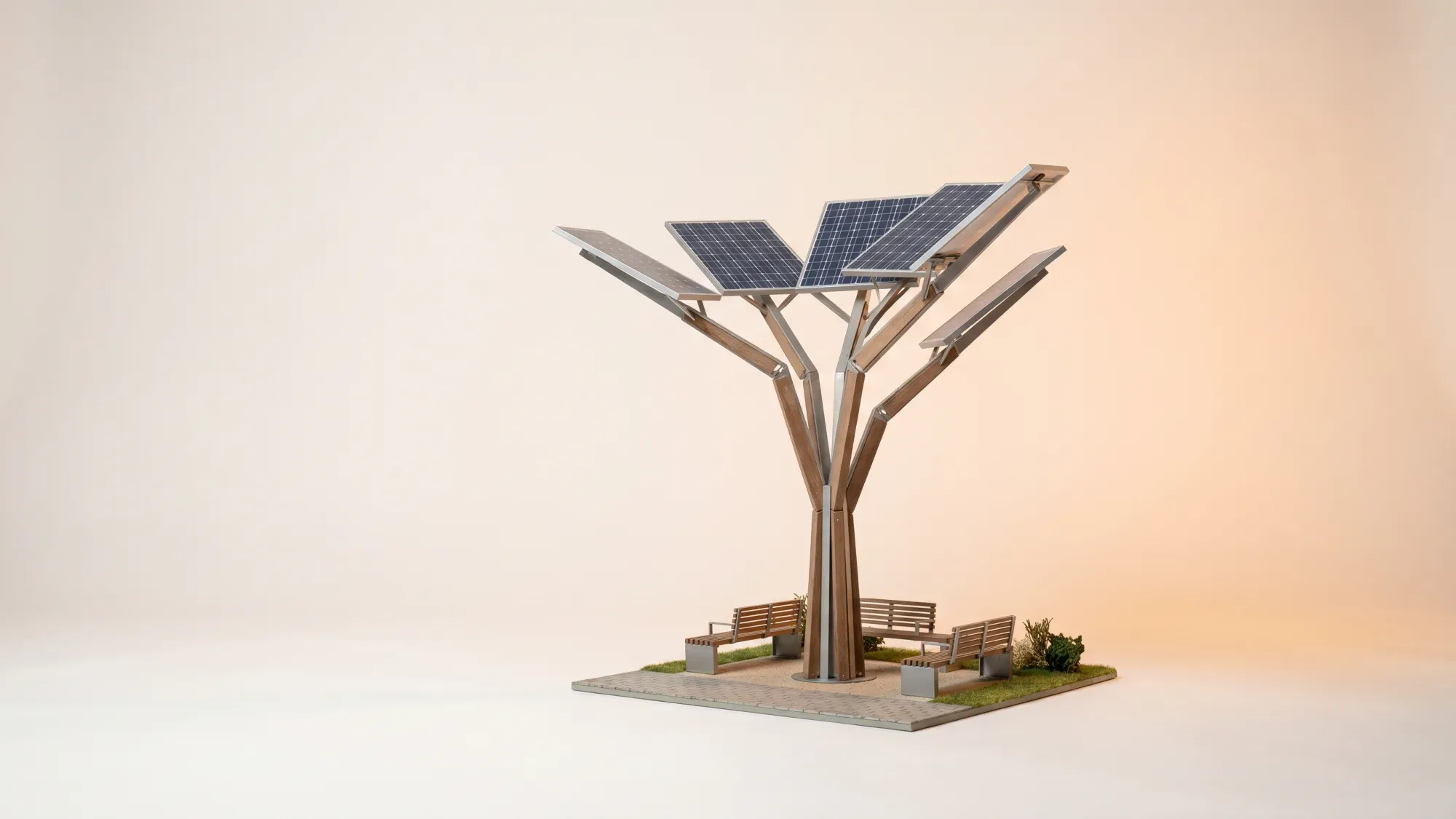
Solar trees integrate photovoltaic (PV) technology into aesthetic, tree-like structures, offering a visually appealing and functional alternative to traditional rooftop solar panels. For UK homeowners, these innovative designs present a forward-thinking way to generate clean electricity, especially where conventional solar installations might not be suitable. They are a tangible step towards a future where energy generation is not just efficient but also enhances our surroundings.
Generating your own electricity can help you reduce your reliance on the grid and manage your energy bills.
Thinking about Solar trees? With Fuse Energy, you get clear pricing, real-time usage data, 24/7 human customer support, and a modern energy experience designed around you. Signing up takes just a few minutes, so you can take control of your bills from day one. Click here to switch to Fuse Energy today and start saving.
Enter your address to get a quote and see how much you could save
What is a solar tree?
A solar tree is an artificial structure designed to mimic the form of a natural tree, with solar panels serving as its "leaves" or "blossoms". These structures capture sunlight and convert it into usable electricity, combining functional energy generation with striking design. Typically constructed from durable materials like metal, carbon fibres, and polymers, solar trees are engineered for both efficiency and visual appeal.
More than just solar panels
Unlike small, decorative solar lights, energy-generating solar trees are sophisticated systems designed for significant power output. Their unique, often vertical, design allows them to occupy less ground space than traditional flat solar panel arrays, making them suitable for smaller gardens or urban settings. This space efficiency, combined with their aesthetic appeal, means they can enhance a property's visual charm while contributing to its energy needs. Some advanced designs even feature adjustable panels that can tilt and rotate to follow the sun, maximising energy absorption throughout the day.
How solar trees generate electricity
At their core, solar trees function similarly to traditional solar panels. They utilise photovoltaic (PV) panels containing semiconducting materials that convert sunlight into direct current (DC) electricity. An inverter then converts this DC power into alternating current (AC) electricity, which can be used to power appliances in a home, or be fed into the National Grid. The strategic placement of panels on a solar tree can allow them to capture more sunlight than flat panels, with some systems incorporating automatic sun-tracking to optimise energy production.
Benefits of solar trees for UK properties
Solar trees offer a compelling blend of practical advantages and environmental responsibility, making them an attractive option for UK properties.
Aesthetic appeal and design flexibility
One of the most significant differentiators of solar trees is their aesthetic appeal. They integrate energy generation with architectural or landscape design, transforming functional technology into an artistic feature. This makes them a visually appealing addition to urban and rural landscapes, enhancing the visual charm of an area. For homeowners, this means a solar installation can become a garden feature rather than a purely utilitarian addition.
Space efficiency and versatility
Solar trees are particularly beneficial in environments where space is at a premium. Their vertical design means they occupy significantly less ground space compared to traditional ground-mounted solar panels, making them ideal for crowded urban areas or smaller gardens. This space efficiency allows for versatile deployment in various locations, from residential properties to public parks and commercial car parks. They can also provide shade, which can help reduce ground temperatures, potentially lowering cooling demands for nearby buildings and enhancing outdoor comfort.
Environmental impact and energy independence
By harnessing solar power, these structures produce clean, renewable energy, directly reducing a property's carbon footprint and contributing to a more sustainable future. This helps decrease reliance on fossil fuels, aligning with the UK's decarbonisation goals. For homeowners, generating your own electricity can reduce dependence on the National Grid and offer some insulation from fluctuating energy prices. While a single solar tree might not fully power a large home, it can significantly offset daily electricity consumption. The average UK home uses around 2,500 kWh of electricity per year.1
Types and applications of solar trees
The versatility of solar trees allows for their deployment in a range of settings, from private homes to large public installations.
Residential solar trees
For UK homeowners, solar trees offer an intriguing option, particularly where traditional rooftop solar might not be suitable due to roof orientation, shading, or structural limitations. Smaller solar trees can be installed in gardens, providing clean energy for household use, or even for charging electric vehicles in driveways. While specific generation figures vary, they can significantly offset a home's electricity consumption.
Public and commercial installations
Solar trees are increasingly popular in public spaces, car parks, and streets, where they serve dual purposes: generating clean electricity and enhancing the aesthetic appeal of the area. They can power street lamps, provide USB charging stations, or even serve as EV charging points, attracting new customers and extending dwell times in commercial settings. These larger installations are often found at airports, shopping malls, and exhibition centres, contributing to urban beautification and energy generation.
UK considerations for solar tree installation
Before investing in a solar tree, UK homeowners need to consider several practical aspects, including costs, regulatory requirements, and grid connection.
Costs and return on investment
The cost of a solar tree in the UK varies widely depending on its size, design, and capacity, and is generally higher than traditional rooftop solar panels. While the upfront investment can be substantial, the long-term savings on electricity bills and the unique benefits can justify the cost.
Planning permission and regulations
Larger solar tree installations, particularly in conservation areas, may require planning permission. For ground-mounted systems, which solar trees resemble, there are specific guidelines: they should generally be no larger than 9 square metres in area, with a maximum horizontal dimension of 3 metres in any one direction, and no higher than 4 metres. They must also be at least 5 metres from the property boundary. If a property is a listed building, planning permission and listed building consent will almost certainly be required. It is always advisable to check with your local planning authority to confirm specific requirements.
Grid connection and DNO notification
All grid-connected solar installations, including solar trees, must be notified to the local Distribution Network Operator (DNO). The notification process depends on the system's size:
- Smaller systems (up to 3.68kW per phase): You or your installer must notify the DNO within 28 days of commissioning under G98 regulations.
- Larger systems (over 3.68kW per phase): Prior approval from the DNO is usually required before installation begins, under G99 regulations.
Failing to notify your DNO can lead to issues with grid connection and may affect your eligibility for Smart Export Guarantee (SEG) payments for any surplus electricity you export. Your solar installer can typically advise on and manage this application process on your behalf, or you or your supplier may complete the notification.
The future of solar trees in the UK
Solar trees represent a dynamic and evolving aspect of renewable energy, with continuous advancements promising even greater integration into our daily lives.
Advancements in technology
The technology behind solar trees is constantly improving, with ongoing research into more efficient photovoltaic materials, better energy storage solutions, and smarter designs. Innovations such as 3D leaf-shaped nano-technology are being explored to maximise energy capture. As technology advances, solar trees are likely to become even more efficient, cost-effective, and aesthetically integrated, making them an increasingly viable option for a wider range of applications.
Integrating solar trees into smart cities
In the vision for smart cities, solar trees are poised to play a crucial role. Their multi-functional capabilities - generating power, providing shade, offering EV charging, and enhancing urban aesthetics - make them ideal for integrated urban planning. They can form part of micro-grids, contributing to decentralised energy generation and making cities more resilient and sustainable. As the UK moves towards a future with abundant clean energy, solar trees will likely become a more common and celebrated feature of our landscapes, symbolising innovation and environmental stewardship.
Managing your home's energy should be clear and easy to understand. Fuse Energy focuses on straightforward pricing, so you can see exactly what you're paying without unnecessary complexity. If you have a smart meter, you can view detailed usage data through the app or website, helping you understand how you can lower your bills. Our 24/7 human support team is always on hand with fast response times whenever you need help. Click here to switch to Fuse Energy today.
References
Disclaimer
For the avoidance of doubt, this article is provided for informational purposes only and is not intended to constitute legal or financial advice. The author and/or Fuse Energy shall not be responsible for any losses arising out of any reliance on the information contained herein.