Solar panel maintenance and cleaning costs
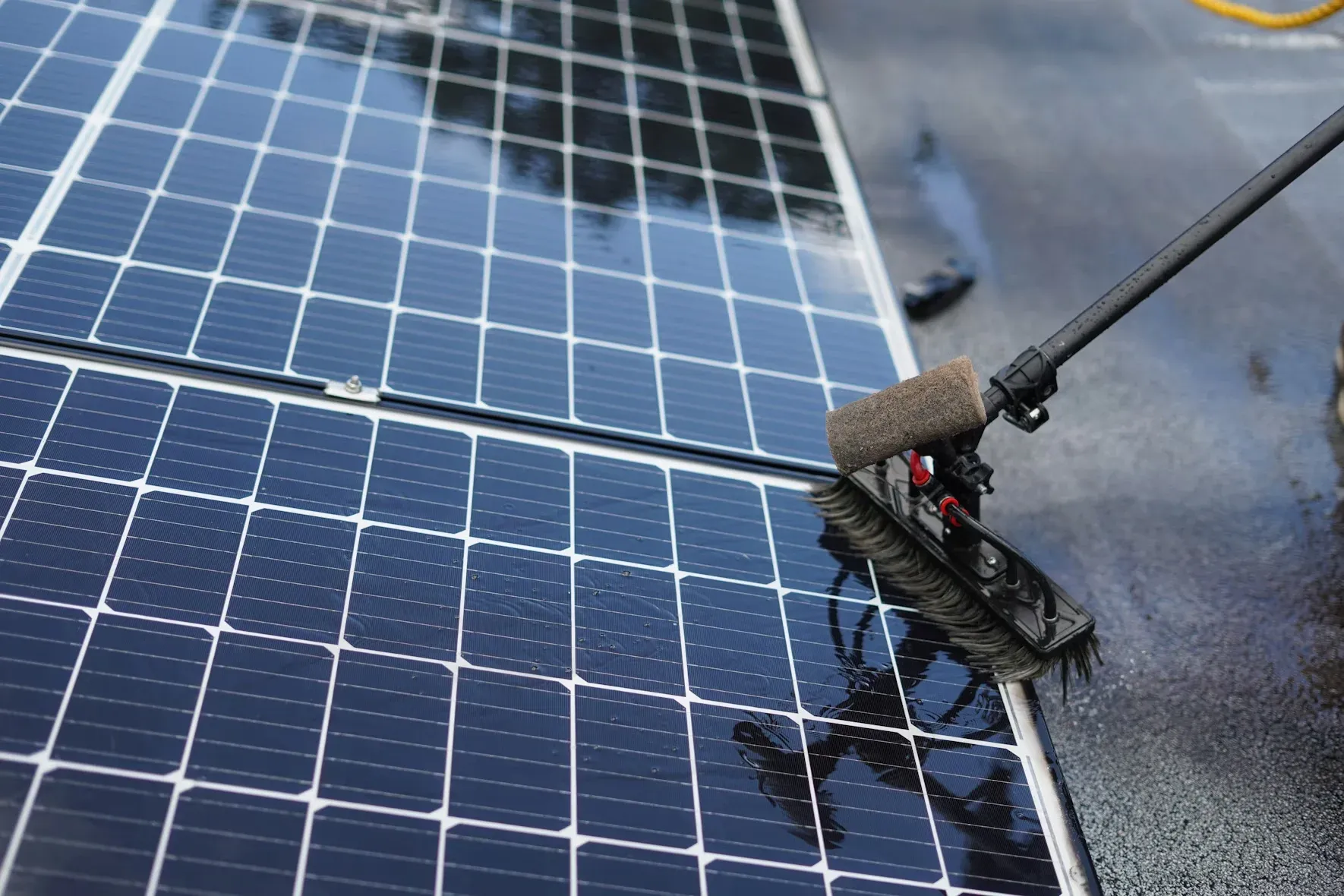
Maintaining your solar panels is crucial for ensuring they deliver optimal performance and a strong return on your investment. While often considered low-maintenance, solar panels benefit significantly from regular care, especially in the UK's varied climate. Neglecting upkeep can lead to reduced energy generation and a shorter system lifespan.
Solar panels are a long-term investment designed to reduce your energy bills and carbon footprint. To truly maximise these benefits, consistent maintenance is essential. It is not just about keeping them clean; it is about protecting your asset and ensuring it performs as intended for decades.
Why solar panel maintenance matters for UK homes
Maximising energy generation and savings
Dust, dirt, pollen, and bird droppings can accumulate on your solar panels, blocking sunlight from reaching the photovoltaic cells. This obstruction directly reduces the amount of electricity your system can generate. Uncleaned solar panels can experience a significant reduction in energy output, typically between 5% and 25%, though in some cases this can reach up to 30%. This lost efficiency means higher reliance on grid electricity and increased bills, directly impacting your savings. Regular cleaning ensures maximum sunlight absorption, which translates into more energy production and greater financial benefits.
Extending the lifespan of your system
Beyond immediate efficiency, proper maintenance contributes to the longevity of your solar panel system. Accumulated grime, particularly stubborn substances like bird droppings, can cause long-term wear and tear or even permanent damage to the panel surface if left unaddressed. Regular cleaning and inspections help prevent such degradation, reducing the likelihood of needing expensive repairs or replacements down the line and ensuring your panels last their full expected lifespan of around 25 to 40 years.
Protecting your investment
Your solar panel system represents a significant financial commitment. Protecting this investment means ensuring it operates safely and efficiently. Many solar panel manufacturers recommend annual professional inspections to ensure system integrity and validate warranties. Neglecting these checks could potentially void your warranty, leaving you responsible for repair costs that might otherwise be covered. Regular maintenance safeguards your investment, preserving its value and performance over time.
DIY solar panel cleaning and inspection checklist
While professional servicing is important, homeowners can perform many basic maintenance tasks themselves. Regular visual checks and safe cleaning can help keep your system performing well between professional visits.
Safe cleaning methods and tools
If you decide to clean your solar panels yourself, safety is paramount. Always prioritise working from the ground where possible. For roof-mounted systems, consider using a telescopic pole with a soft brush and plain water. Avoid using abrasive cleaning methods or harsh chemicals, as these can damage the panels' anti-reflective coatings and potentially void warranties. Regular tap water can leave mineral deposits, so deionised water is often recommended by professionals to avoid streaks and spots that could reduce efficiency. Clean panels only when they are cool, typically in the early morning or late evening, to prevent thermal shock and ensure cleaning solutions do not dry too quickly.
How often to clean your panels
Solar panels typically require cleaning 1-2 times a year in the UK, depending on location and environmental factors. Areas with heavy bird activity, overhanging trees, high pollution levels, or coastal exposure may need more frequent cleaning. While rain can wash away some loose dust, it often is not enough to remove stubborn dirt, pollen, or bird droppings, and can even leave residues that reduce efficiency. It is advisable to visually inspect your panels every 12 months or so to check for significant build-up.
Visual inspection: what to look for
Regular visual inspections can help identify potential issues early. From the ground, use binoculars or a camera with a zoom function to check for:
- Dirt and debris: Look for noticeable layers of dust, leaves, or bird droppings.
- Damage: Check for cracks, chips, or discolouration on the panels.
- Mounting issues: Ensure panels appear securely mounted and there are no visible signs of corrosion or shifting.
- Shading: Identify any new sources of shading, such as growing trees or nearby structures, that might be impacting performance.
- Wiring: While not always visible, look for any obvious loose or damaged wiring if accessible.
How much efficiency can dirty solar panels lose?
Uncleaned solar panels can experience a significant reduction in energy output, typically between 5% and 25%, though in some cases this can reach up to 30%. This loss is due to accumulated dirt, dust, pollen, and bird droppings blocking sunlight from reaching the photovoltaic cells, directly impacting electricity generation and increasing reliance on grid power.
Professional solar panel servicing: when to call the experts
While DIY efforts are valuable, professional servicing offers a deeper level of inspection and maintenance that can identify issues not visible to the untrained eye. It is a crucial part of long-term solar panel care.
What a professional service includes
A professional solar panel service typically involves a comprehensive check of your entire system. This includes a thorough visual inspection of the panels for damage, dirt, and shading, as well as an assessment of the mounting system for stability and corrosion. Experts will also inspect the inverter(s) and run diagnostic checks, examine electrical connections for wear or damage, and check any associated battery storage systems. Performance testing and evaluation are also standard, often including checks for hotspots or voltage mismatches. This detailed approach helps ensure all components are functioning correctly and safely.
Finding a reputable maintenance company
When choosing a professional to maintain your solar panels, it is vital to select a reputable company. Look for providers who are adequately insured and adhere to health and safety regulations, especially when working at height. The Microgeneration Certification Scheme (MCS) is a mark of quality assurance in the renewable energy sector, certifying products and installers of small-scale renewable technologies like solar PV. A maintenance company with MCS accreditation or one that employs MCS-certified technicians demonstrates a commitment to industry best practices.
Understanding warranty requirements
Most solar panel manufacturers recommend annual professional inspections to ensure system integrity and validate warranties. Some warranties may even specify regular maintenance as a condition. Professional servicing provides documentation of these checks, which can be crucial if you ever need to make a warranty claim. Always check your specific manufacturer's guidelines to understand their maintenance requirements.
Solar panel maintenance cost in the UK
Understanding the costs associated with solar panel maintenance helps homeowners budget effectively and appreciate the long-term value of regular upkeep.
Typical cleaning and servicing prices
Professional solar panel cleaning services in the UK typically start at around £60 to £150 for a standard domestic system. Prices can vary depending on factors such as the number of panels, their accessibility (ground-level vs roof-mounted), and the level of dirt accumulation. Some companies may charge per panel, typically £4-£20, or offer a flat rate for a full bank of panels. Annual maintenance checks, which include more than just cleaning, can range from £100 to £300, depending on the scope of work and the provider.
Factors influencing maintenance costs
Several factors can affect the overall cost of solar panel maintenance:
- Accessibility: Panels on a ground-level array are generally cheaper to clean than those on a steep or multi-storey roof, which may require specialised equipment like scaffolding or cherry pickers.
- System size: More panels mean more cleaning and inspection time, leading to higher costs.
- Location: Proximity to busy roads, farmland, or industrial areas can lead to faster dirt build-up, necessitating more frequent and potentially more intensive cleaning.
- Service type: A basic clean will be less expensive than a comprehensive annual service that includes electrical checks and performance diagnostics.
- Repairs: If a professional inspection uncovers issues like cracked panels, loose wires, or inverter problems, these will incur additional repair costs.
The value of regular upkeep
While there is a cost associated with solar panel maintenance, it is an investment that pays off. Regular upkeep protects your system's efficiency, ensuring you get the maximum energy output and savings. It also helps prevent minor issues from escalating into costly repairs, which can range from hundreds to thousands of pounds for component replacements like inverters. Considering the potential losses from dirty panels and the cost of major repairs, the expense of regular maintenance is a small price to pay for sustained performance and peace of mind.
Leveraging maintained panels with smart energy
Once your solar panels are well-maintained and operating at peak efficiency, you can further enhance their financial benefits through smart energy management. This is where Fuse Energy empowers homeowners to make the most of their clean energy generation.
Connecting performance to export earnings
Efficiently maintained solar panels generate more electricity. For homeowners in the UK, this increased generation can translate directly into higher export earnings through schemes like the SEG. The SEG requires energy suppliers to pay you for the excess electricity your panels export back to the grid. By ensuring your panels are clean and performing optimally, you maximise the amount of surplus energy available for export, boosting your income or offsetting your bills.
Optimising usage with smart tariffs
With a well-maintained solar system, you have more control over your energy. Smart tariffs, often linked to time-of-use, allow you to optimise when you use and export electricity. For instance, you can store excess solar generation in a battery during the day and use it during peak evening hours, or export it when prices are highest. This strategic approach, enabled by consistent panel performance, allows you to reduce your reliance on grid electricity during expensive periods and maximise the value of your self-generated power.
The Fuse app: your energy management tool
Fuse Energy's app and smart tariffs are designed to help you monitor and manage your energy effectively. By providing transparent data on your energy generation and consumption, the app allows you to see the direct impact of your well-maintained panels. You can track your increased output, understand your usage patterns, and make informed decisions to optimise your energy flow. This capability empowers you to leverage your solar investment fully, turning optimal panel performance into tangible financial benefits and contributing to a more efficient, abundant energy system.
Disclaimer
For the avoidance of doubt, this article is provided for informational purposes only and is not intended to constitute legal or financial advice. The author and/or Fuse Energy shall not be responsible for any losses arising out of any reliance on the information contained herein.