Solar panel bird proofing costs
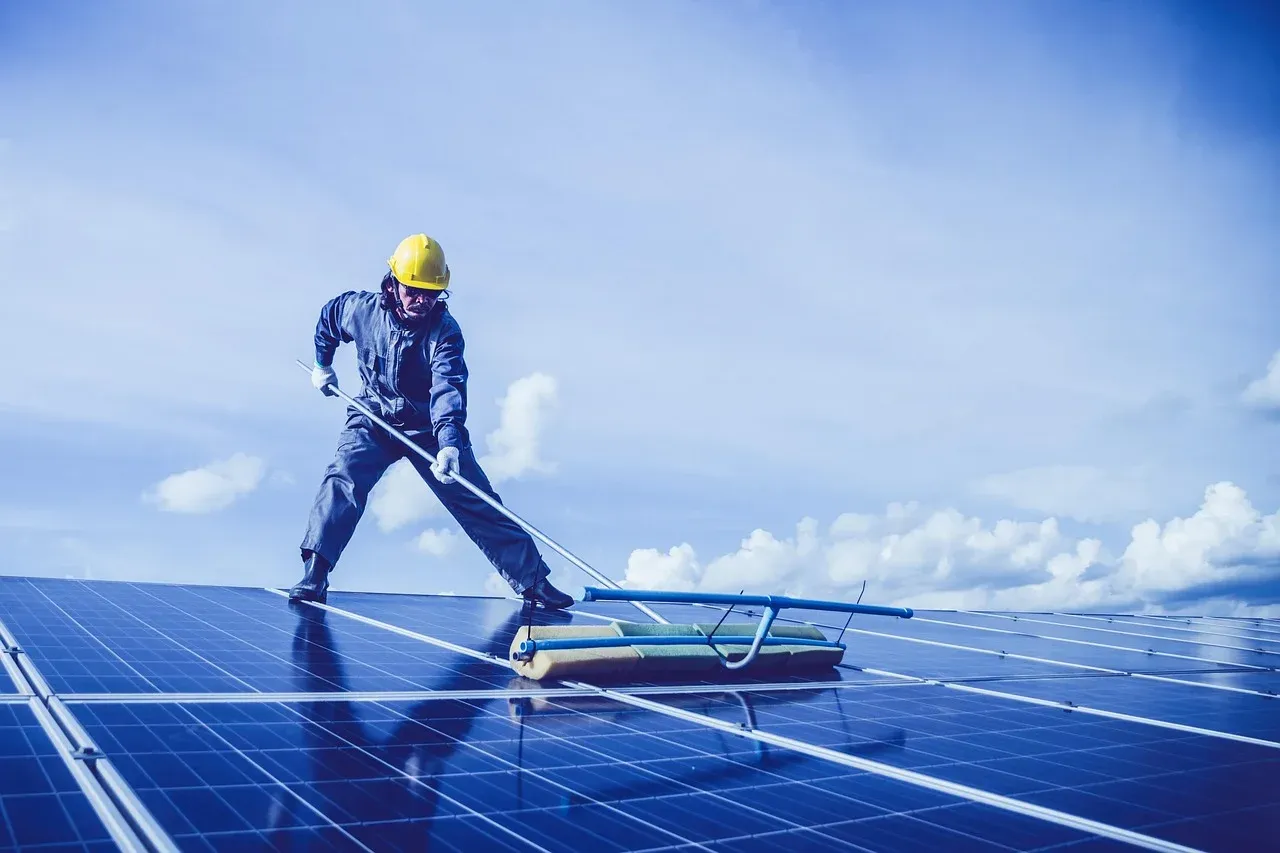
Birds nesting under solar panels are a common issue for UK homeowners, potentially leading to damage and reduced energy generation. Proactive bird proofing is essential to protect your solar investment, ensuring its longevity and optimal performance. This guide explores the necessity, methods, costs, and benefits of safeguarding your solar array.
Why bird proofing your solar panels is essential
Solar panels offer a warm, sheltered space that birds, particularly pigeons, find ideal for nesting. While seemingly harmless, this can lead to significant problems for your system and home.
The hidden dangers of nesting birds
The space between solar panels and your roof creates a perfect, undisturbed habitat for birds, protected from predators and harsh weather. Pigeons are by far the most common culprits in the UK, known for their prolific breeding and bulky nests. Sparrows, starlings, gulls, and jackdaws also frequently seek shelter there.
These uninvited guests can cause various issues, from physical damage to noise. Nesting materials can accumulate, blocking drainage and creating a fire risk, especially near electrical components. Birds can also damage solar panel wiring and components, leading to electrical faults and costly repairs.
How droppings and nests reduce efficiency
Bird droppings and nesting materials directly obstruct sunlight from reaching the photovoltaic (PV) cells, significantly reducing energy generation. This obstruction means your panels produce less electricity, leading to lower energy output and a diminished return on your solar investment.
Common bird proofing methods for solar panels
Several methods exist to deter birds from nesting under solar panels, ranging from simple deterrents to more robust physical barriers.
Solar panel bird mesh
Bird mesh is the most widely recommended and effective solution. This durable, UV-stabilised mesh is installed around the perimeter of your solar panel array, creating a physical barrier that prevents birds from accessing the space underneath. It is typically made from galvanised steel or heavy-duty plastic and is designed to withstand harsh weather conditions.
Installation usually involves attaching the mesh to the panel frames using specialised clips, ensuring no gaps remain for birds to squeeze through. Proper installation is crucial to avoid damaging the panels or voiding warranties.
Other deterrents and solutions
While less effective than mesh, other deterrents can be used, often in conjunction with mesh for added protection:
- Bird spikes: These are rows of blunt spikes that prevent birds from perching on the edges of panels or nearby ledges. They are generally more effective for larger birds.
- Sonic deterrents: Devices that emit high-frequency sounds, often inaudible to humans, designed to annoy birds. Their effectiveness can vary, and birds may become accustomed to them over time.
- Reflective tape or decoys: Shiny tape or predator decoys (like plastic owls) can temporarily scare birds away. However, birds are intelligent and often learn these are not a real threat.
- Regular cleaning: Keeping panels free of droppings and debris can make the area less attractive to birds, though this is a reactive measure rather than a preventative one.
Solar panel bird proofing costs
The cost of bird proofing your solar panels can vary significantly based on several factors, including the size of your solar array, the type of materials used, and whether you opt for DIY or professional installation.
Factors influencing cost
Professional solar panel bird proofing in the UK typically costs between £300 and £1,000, depending on system size and complexity. For a standard residential property, you might expect to pay between £500 and £900. However, factors such as roof accessibility, especially if scaffolding is required, can add an additional £400 to £800 to the total cost. Key factors include:
- Number of panels: Larger systems with more panels will naturally require more materials and labour, increasing the overall cost.
- Roof accessibility: Difficult-to-access roofs (e.g., very high, steeply pitched, or with complex structures) may incur higher labour costs due to the need for specialised equipment and safety measures.
- Type of mesh: While most mesh is similar, some higher-grade materials or systems with integrated features might be more expensive.
- Extent of infestation: If birds have already established a significant nesting site, additional costs may arise for cleaning and removing nesting materials before proofing can begin.
- Location: Prices can vary regionally across the UK, with urban areas sometimes seeing higher labour costs.
DIY vs professional installation
Choosing between DIY and professional installation depends on your confidence, skills, and the complexity of your roof and solar array.
- DIY installation: Bird proofing kits are available for purchase, typically costing less than professional installation. This option can save money on labour, but requires careful attention to detail to ensure effective and safe installation. Incorrect DIY installation could damage panels, void warranties, or fail to deter birds effectively.
- Professional installation: Hiring a professional ensures the job is done correctly, safely, and often comes with a guarantee. Professionals have the right equipment, experience, and knowledge to install the mesh without damaging your system. They can also advise on the best solution for your specific setup and handle any pre-existing bird infestations.
Benefits of effective bird proofing
Investing in bird proofing offers multiple long-term benefits that protect your solar investment and maximise its performance.
Protecting your investment
Solar panels are a significant investment, and bird proofing safeguards that investment. By preventing nesting, you avoid costly repairs to wiring and components caused by pecking or corrosive droppings. You also mitigate the risk of fire hazards from accumulated nesting materials and prevent blocked roof drainage that could lead to structural damage.
Maintaining energy generation
The primary benefit of bird proofing is maintaining your solar panels' optimal energy output. Without droppings and nests obstructing sunlight, your panels can operate at their full potential, generating the maximum amount of electricity. This ensures consistent energy savings and a better return on your initial investment over the lifespan of your system.
Choosing the right bird proofing solution
Selecting the appropriate bird proofing solution requires careful consideration to ensure effectiveness and longevity.
Key considerations before installation
Before proceeding with installation, consider these points:
- Warranty compatibility: Always check that your chosen bird proofing method and installer will not void your solar panel warranty. Reputable installers are usually aware of these requirements.
- Maintenance access: Ensure the bird proofing solution allows for future maintenance and cleaning of your solar panels. Some mesh systems are designed for easy removal and reattachment.
- Material durability: Opt for high-quality, durable materials that can withstand the elements and provide long-term protection. UV-stabilised mesh is crucial for longevity.
- Existing infestation: If birds are already nesting, they will need to be safely and humanely removed, and the area cleaned, before proofing can be installed.
Maximising your protected solar energy with Fuse
Once your solar panels are protected from nesting birds, you have secured your investment and ensured optimal energy generation. This is where Fuse Energy comes in. While Fuse does not offer solar panel installation or bird proofing services, we help you get the most value from the energy your now-protected panels generate.
Fuse helps customers maximise their energy generation and independence through smart tariffs and export rates. Our all-in-one app and smart tools provide control and insight into your energy usage and generation, complementing a well-maintained solar system. By protecting your solar assets, you align with Fuse's vision of abundant energy and can truly make having more the point and the power real.
We believe in a future with abundant energy, where you have the power to play with. Learn more about our mission to build this future here.
Disclaimer
For the avoidance of doubt, this article is provided for informational purposes only and is not intended to constitute legal or financial advice. The author and/or Fuse Energy shall not be responsible for any losses arising out of any reliance on the information contained herein.