Solar electricity grants explained
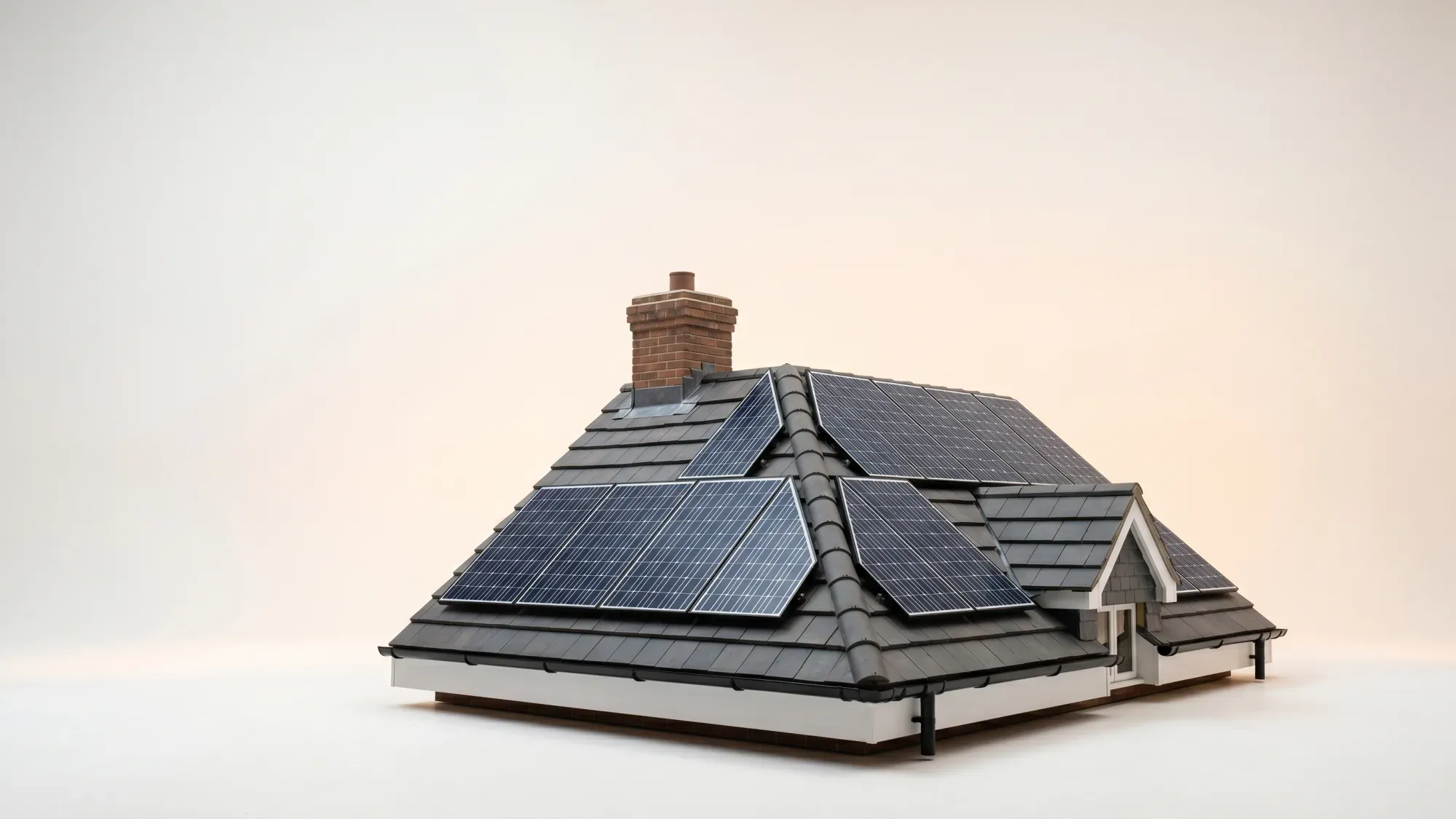
Financial support for solar panels can significantly reduce the initial cost of installation, helping homeowners generate their own electricity and achieve energy independence. This guide outlines the main grants available, their eligibility criteria, and the application process, making it easier to understand how to fund your solar electricity system.
Generating your own clean energy is a smart move for your home. Once your solar panels are installed, Fuse Energy can help you maximise your generation with smart tariffs and tools. Click here to switch to Fuse Energy today.
Enter your address to get a quote and see how much you could save
Understanding solar electricity grants
What are solar electricity grants?
Solar electricity grants are financial incentives from the government or other organisations to help homeowners install solar panel systems. These grants encourage the adoption of renewable energy, reduce carbon emissions, and help alleviate fuel poverty by making solar power more accessible. While truly "free" solar panels are rare, grants can substantially lower the cost, making the investment more manageable.
Why consider solar panel funding?
Investing in solar panels allows you to generate your own electricity, reducing your reliance on the National Grid and leading to lower energy bills. Grants and funding schemes can significantly offset the initial outlay, making solar energy a more viable option for many households. Beyond financial savings, installing solar panels contributes to a greener future by reducing your carbon footprint.
Key national solar grants and schemes
Energy Company Obligation (ECO4) scheme
The Energy Company Obligation (ECO4) scheme is a government energy efficiency initiative in Great Britain, administered by Ofgem. It primarily targets low-income households and vulnerable individuals, aiming to improve home energy efficiency, which includes the installation of solar PV panels. The scheme places obligations on larger energy suppliers to deliver energy-saving measures to those who need them most. Eligibility for ECO4 is typically based on receiving certain benefits or having a low household income.
Smart Export Guarantee (SEG)
The Smart Export Guarantee (SEG) is a government-backed initiative that allows solar panel owners to receive payments for surplus electricity exported to the grid. Larger energy suppliers are required to offer tariffs for this exported electricity. To be eligible for SEG payments, your solar installation must be certified under the Microgeneration Certification Scheme (MCS). This ensures that your system meets a recognised quality standard. Fuse Energy pays customers 13p for every kWh of electricity they export to the grid under the SEG scheme.
VAT reduction on solar panels
The Value Added Tax (VAT) on solar panel installation and associated energy-saving materials is currently 0% in Great Britain for residential properties and charitable organisations. This zero rate applies from 1 April 2022 until 31 March 2027, after which it is scheduled to rise to 5%1. This reduction significantly lowers the overall cost of installing a solar PV system, making it a more attractive investment for homeowners. The 0% rate covers the entire installation, including panels, inverters, mounting, scaffolding, and labour when supplied and fitted by an installer. Batteries and smart diverters are also included at 0% VAT when installed with new panels, added to an existing system, or installed on their own.
Regional and local funding options
Home Energy Scotland
For eligible homeowners in Scotland, Home Energy Scotland offers grants and loans for renewable energy installations, including solar PV. This initiative aims to make homes warmer, more energy-efficient, and cheaper to run. They provide advice and financial support tailored to Scottish residents.
Nest (Wales)
In Wales, the Nest scheme provides advice and support to make homes warmer and more energy-efficient. While specific solar grants can vary, Nest helps eligible households access a range of energy-saving improvements, which may include renewable technologies.
Warmer Homes Scotland
Warmer Homes Scotland is another Scottish Government scheme designed to help make homes warmer and more affordable to heat. It offers a package of measures, including insulation, new heating systems, and sometimes renewable technologies like solar panels, to households struggling with fuel poverty.
Local authority grants
Many local authorities across the UK offer their own grants and schemes to support residents in improving their home's energy efficiency and installing renewable technologies. These can vary significantly by council, so it is essential to check what is available in your specific area. These grants might be part of broader environmental initiatives or targeted at specific demographics within the community.
Eligibility criteria for solar grants
Understanding the eligibility criteria is crucial before applying for any solar grant. Requirements often depend on a combination of household income, property characteristics, and installer accreditation.
Income and benefit-based criteria
Many national schemes, such as ECO4, target households based on income or receipt of specific benefits. These grants are designed to support those who might otherwise struggle to afford energy-saving improvements. While specific income thresholds are not universally fixed and can vary, the focus remains on assisting vulnerable and lower-income households.
Property type and energy performance requirements
Some grants may have requirements related to your property type, its current Energy Performance Certificate (EPC) rating, or whether it is connected to the gas grid. For instance, certain schemes might prioritise properties with lower EPC ratings, as these stand to gain the most from energy efficiency upgrades.
Installer accreditation (MCS certification)
A critical requirement for many grants and for eligibility for the SEG is that your solar panel installation must be carried out by an MCS-certified installer. MCS certification (MCS) is a quality assurance standard for renewable energy technologies and installers. It ensures that your system is installed to a high standard and meets industry benchmarks.
What is MCS certification?
MCS certification (MCS) is a quality assurance standard for renewable energy technologies and installers in the UK. It ensures that installations meet rigorous industry standards, providing consumer protection and often serving as a prerequisite for accessing government grants and export tariffs like the SEG.
Applying for solar panel funding
The application process for solar panel funding involves several key steps, from selecting the right installer to submitting your documentation.
Finding an MCS-certified installer
The first step is to find an MCS-certified solar installer. You can search for accredited installers on the MCS website. These installers can often advise on available grants and help you navigate the application process, as their certification is a prerequisite for many funding options.
Navigating the application process
Once you have chosen an MCS-certified installer, they will typically provide you with a quote for the installation. For grants like ECO4, your chosen installer will often handle the grant application on your behalf, guiding you through the necessary paperwork and ensuring all eligibility criteria are met. For other schemes, you may need to apply directly to the relevant organisation, providing proof of income, property details, and installer quotes.
What to expect after applying
After submitting your application, there will be an assessment period where your eligibility and documentation are reviewed. If approved, you will receive confirmation of the grant amount. The installation can then proceed, with the grant contributing to the overall cost. It is important to keep clear records of all communications and documents throughout this process.
Maximising your solar investment with Fuse Energy
Fuse Energy can help homeowners maximise the financial benefits of their solar generation after installation through smart tariffs and an intuitive app.
Optimising self-consumption with smart tariffs
Once your solar panels are installed, Fuse Energy's smart tariffs are designed to help you get the most value from your self-generated electricity. By understanding your energy usage patterns, you can optimise when you consume your own solar power, reducing the amount you need to import from the grid. This means greater savings on your energy bills.
Earning from exported electricity
For any surplus electricity your solar panels generate that you do not use, the SEG allows you to earn payments by exporting it back to the grid. Fuse Energy's tariffs are structured to ensure you receive fair value for the electricity you contribute, further enhancing the financial return on your solar investment.
Managing your energy with the Fuse app
The Fuse app provides transparency and control over your energy usage and generation. You can monitor your solar panel performance in real-time, track your electricity consumption, and see how much you are exporting to the grid. This detailed insight empowers you to make informed decisions about your energy habits, helping you to reduce costs and maximise the benefits of your solar system. Fuse also offers 24/7 human customer support for any energy management questions you might have.
Ready to make the most of your solar panels? Fuse Energy offers clear pricing, real-time usage data, and 24/7 human customer support to help you manage your energy effectively. Switching is quick and easy, so you can start optimising your solar investment today. Click here to switch to Fuse Energy. You can also learn more about our mission to make energy abundant and accessible here.
References
Disclaimer
For the avoidance of doubt, this article is provided for informational purposes only and is not intended to constitute legal or financial advice. The author and/or Fuse Energy shall not be responsible for any losses arising out of any reliance on the information contained herein.