Maximising your home's solar array efficiency
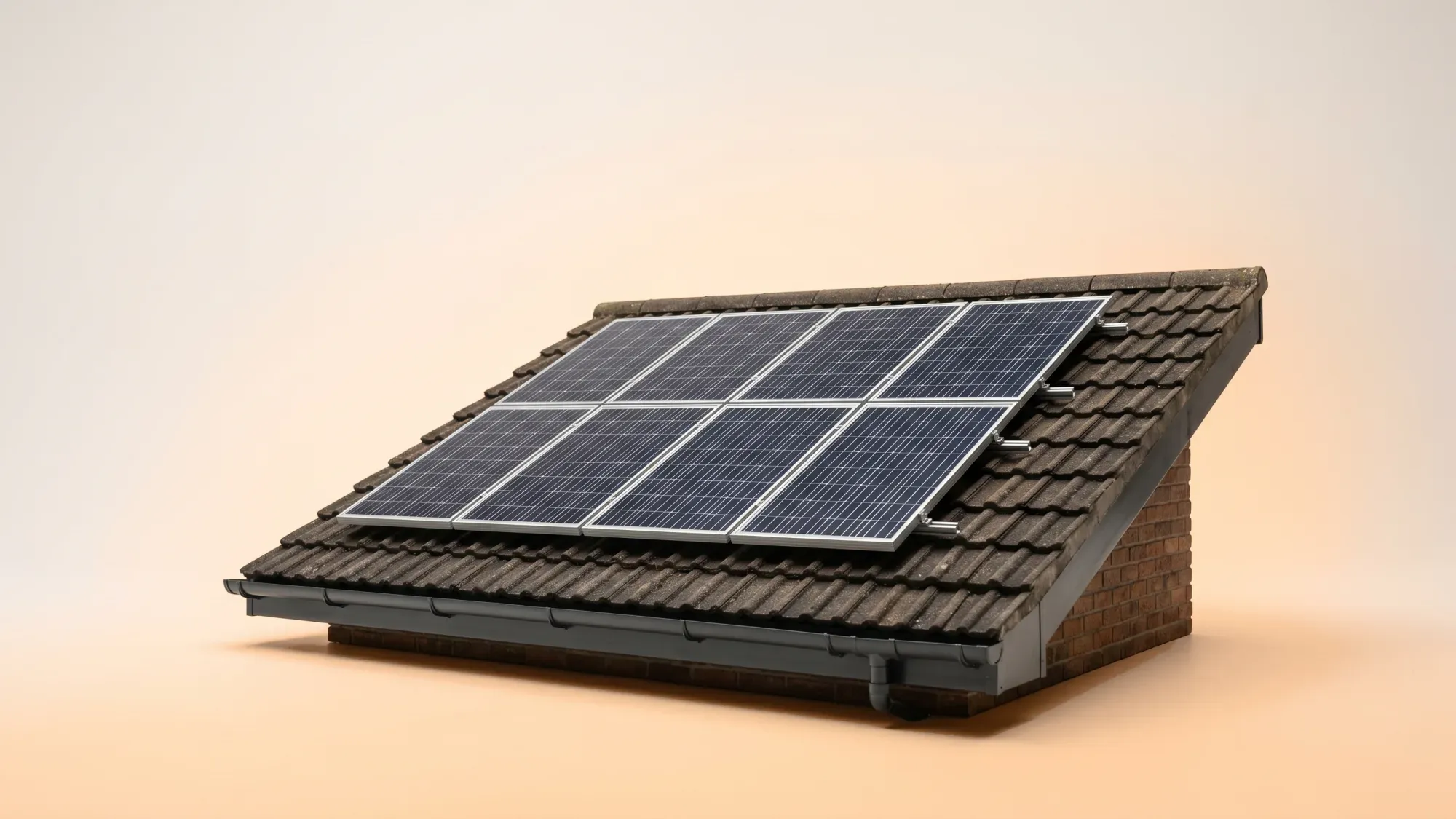
Understanding your solar array's efficiency is key to getting the most from your home's energy generation. For UK homeowners, knowing how to optimise your solar panels means more electricity, lower bills, and greater energy independence.
Optimising your solar array's efficiency can significantly reduce your energy bills. With Fuse Energy, you can manage your home's electricity usage and generation through our app, helping you make the most of your solar investment. Click here to switch to Fuse Energy today.
Enter your address to get a quote and see how much you could save
What is solar array efficiency?
Solar array efficiency measures how effectively your solar panel system converts sunlight into usable electricity. It's a crucial metric for any homeowner looking to maximise their investment in renewable energy.
Defining solar panel efficiency
Solar panel efficiency is the percentage of sunlight that a panel can convert into electricity. This isn't the same as power output; a more efficient panel generates more power from a smaller area.
How efficiency is measured
Efficiency ratings are determined under Standard Test Conditions (STC), which involve a panel temperature of 25°C, a specific light intensity, and a specific air mass. These laboratory conditions allow for consistent comparisons between different panels. However, real-world performance will vary based on environmental factors.
Why efficiency matters for UK homeowners
For UK homeowners, where roof space can sometimes be limited, higher efficiency panels are particularly valuable as they generate more electricity from a given area. Maximising solar array efficiency directly contributes to increased home energy generation and reduced reliance on grid electricity, aligning with the broader goal of abundant energy.
Key factors influencing your solar array's performance
Several elements can affect how well your solar panels perform, especially in the varied UK climate. Understanding these helps you manage your system for optimal output.
Sunlight and shading: the UK context
While solar panels work even on cloudy days, direct sunlight is crucial for peak performance. Shading, even partial, can significantly reduce your system's output. Even partial shading of a single panel can significantly cut that panel's output, and in traditional string inverter systems, one shaded panel can substantially reduce the entire string's output. This disproportionate impact makes managing shading critical for UK homes, where trees or neighbouring buildings can often cast shadows.
Temperature's impact on solar panels
Solar panels are rated at 25°C, but their surface temperature can reach 50°C to 60°C on a sunny UK day, and even higher during heatwaves. For every degree above 25°C, standard panels lose some of their output. This means a panel operating at higher temperatures could produce noticeably less power than its rated capacity. Panels with a lower temperature coefficient (a less negative number) perform better in hotter conditions.
Panel type and quality
Modern domestic solar panels typically achieve good efficiency ratings, with some high-performance models offering even greater conversion rates. Monocrystalline panels are generally the most efficient type commonly installed in UK homes. The quality of the panel and its installation play a significant role in its long-term performance and lifespan.
Degradation over time
Solar panels don't last forever, but they are built to be durable. Most panels are expected to last 25-30 years, often with warranties guaranteeing a significant percentage of their original efficiency after this period. The degradation rate is typically very low per year. This means a 25-year-old panel might still operate at a high percentage of its initial efficiency.
Practical ways to optimise your solar array's output
You can actively manage your solar array to ensure it performs at its best, generating more electricity for your home.
Regular cleaning and maintenance
Solar panels require minimal maintenance, but keeping them clean is essential. Dirt, dust, leaves, and bird droppings can accumulate on the surface, blocking sunlight and reducing efficiency. Regular cleaning, especially after dry spells or during periods of high pollen, can help maintain optimal performance.
Managing shading effectively
Proactive shading management is crucial. This might involve trimming trees or vegetation that cast shadows on your panels, or strategically placing panels to avoid known shaded areas. For existing systems, reconfiguring string arrangements so shaded and unshaded panels are on separate strings can also help.
Inverter technology and optimisers
The inverter is a vital component that converts the direct current (DC) electricity from your panels into usable alternating current (AC) electricity for your home. While string inverters are common, microinverters or power optimisers can significantly mitigate the impact of shading. These devices allow each panel (or a small group of panels) to operate independently, meaning a shaded panel won't drag down the performance of the entire array.
Monitoring your system's performance
Regularly monitoring your solar array's output allows you to detect any drops in performance quickly. Many modern systems come with monitoring apps that provide real-time data on energy generation. Keeping an eye on this data helps you identify issues like unexpected shading, dirt build-up, or potential equipment malfunctions, enabling prompt action to restore efficiency.
Leveraging technology for enhanced solar efficiency
Technology offers powerful tools to not only monitor but also actively enhance your solar array's contribution to your home's energy needs.
Smart monitoring and data insights
Modern solar systems, often integrated with smart home technology, provide detailed insights into your energy generation and consumption. These smart monitoring tools can help you understand daily, weekly, and monthly performance, pinpointing times of peak generation and identifying any anomalies. This data empowers you to make informed decisions about energy usage and maintenance.
The benefits of battery storage for self-consumption
A solar array generates electricity when the sun shines, but your home's energy demand might not always align with peak generation. Battery storage solutions allow you to store excess electricity generated during the day and use it later, for example, in the evening when solar production drops. This increases your self-consumption of generated electricity, reducing your reliance on grid power and maximising the value of your solar investment.
Integrating solar with your home energy ecosystem
Integrating your solar array with a broader home energy ecosystem, including smart appliances and potentially an electric vehicle charger, can further optimise efficiency. By intelligently managing when high-demand appliances operate (e.g., running your washing machine during peak solar production or charging your EV with surplus solar), you can ensure more of your generated electricity is used within your home. This approach aligns with Fuse's goal of empowering homeowners to manage and maximise their solar investment.
The long-term value of an efficient solar array
Investing in and maintaining an efficient solar array delivers substantial long-term benefits, both financially and environmentally.
Maximising your return on investment
An efficient solar array translates directly to higher electricity generation, which in turn means greater savings on your energy bills. Over the typical 25-30 year lifespan of solar panels, these savings accumulate, providing a significant return on your initial investment. By actively managing factors like shading and degradation, you ensure your system continues to deliver maximum value for decades.
Contributing to energy independence
Generating your own electricity reduces your dependence on grid electricity and its fluctuating prices. With an optimised solar array and potentially battery storage, you gain greater control over your home's energy supply, moving towards a more self-sufficient and resilient energy future. The average UK home uses around 2,500 kWh of electricity per year1, so generating a significant portion of this yourself can make a real difference.
Future-proofing your home's energy
As energy landscapes evolve, a high-efficiency solar array positions your home at the forefront of sustainable living. It not only reduces your carbon footprint but also increases your property's appeal and value. Furthermore, microgeneration installations in the UK must be notified to the Distribution Network Operator (DNO) under G98 or G99 regulations, depending on size, a process that can be handled by your installer, your supplier, or yourself. The Smart Export Guarantee (SEG) also mandates that larger energy suppliers pay for electricity exported to the grid from eligible microgeneration systems, providing another avenue for financial benefit. You can learn more about what the SEG is and how it works. By focusing on efficiency, you're not just installing panels; you're building a smarter, more sustainable home energy future.
Making the most of your solar panels means understanding your energy usage. Fuse Energy offers clear pricing and an intuitive app that helps you track your electricity consumption and generation. Our 24/7 human support team is always available to assist you. Switching to Fuse is quick and easy, allowing you to take control of your home's energy. Click here to switch to Fuse Energy today. You can also learn more about our mission to deliver abundant clean energy by visiting our mission page.
References
Disclaimer
For the avoidance of doubt, this article is provided for informational purposes only and is not intended to constitute legal or financial advice. The author and/or Fuse Energy shall not be responsible for any losses arising out of any reliance on the information contained herein.