Smart meter booster explained
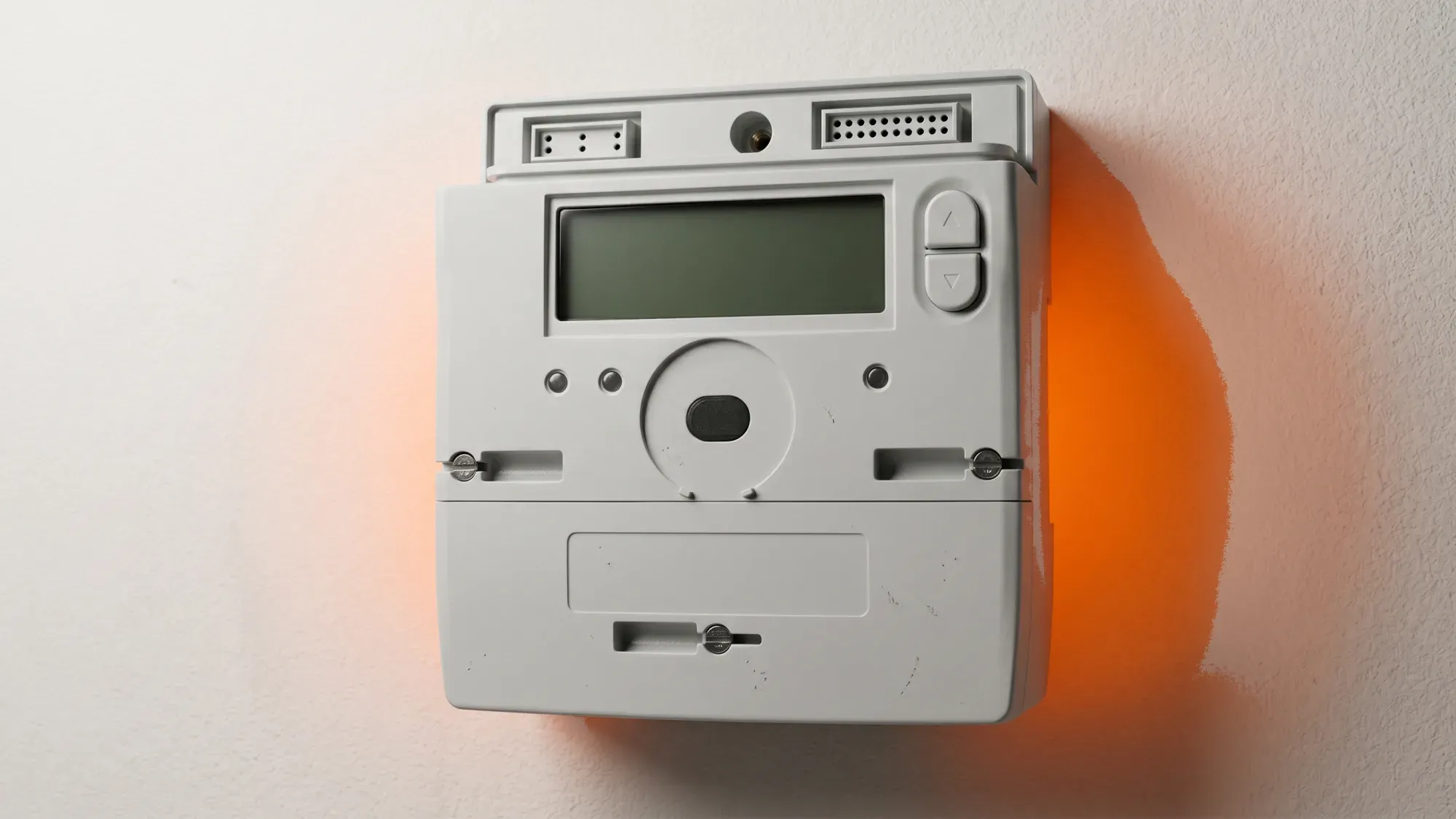
A smart meter booster isn't a retail product you can simply buy. Instead, the term refers to specialist equipment or strategies energy suppliers use to improve smart meter connectivity. When a smart meter struggles to communicate, it can lead to estimated bills and a lack of detailed usage data, making it harder to manage your energy consumption. Understanding these connectivity solutions is crucial for accurate billing and effective energy management.
Reliable smart meter functionality is key to modern energy management. Fuse Energy ensures reliable smart meter functionality as part of a seamless, worry-free energy experience. With 24/7 human customer support, Fuse addresses smart meter connectivity concerns efficiently, without you needing to self-diagnose or seek external 'boosters'. Click here to switch to Fuse Energy today.
Enter your address to get a quote and see how much you could save
What is a smart meter booster?
The misconception of a retail product
Many people search for a smart meter booster hoping for a simple retail solution to connectivity problems. However, these "boosters" are not consumer products available for independent purchase and installation. The idea that you can buy a device to plug in and instantly improve your smart meter's signal is a common misunderstanding. Smart meters are part of a secure, dedicated energy network, not a home Wi-Fi system.
How suppliers improve signal
The devices sometimes referred to as "smart meter boosters" are typically signal extenders or repeaters deployed by energy suppliers. These are pieces of equipment designed to enhance the communication between your smart meter and the wider energy network. Energy suppliers are responsible for ensuring your smart meter is functioning correctly and addressing any connectivity problems. They may implement solutions to improve communication if needed. Customers do not choose or buy their own smart meter model; the energy supplier arranges and installs the meter, typically a free SMETS2 install for eligible homes.
How smart meters communicate
Smart meters use two distinct communication networks to operate effectively. Understanding these helps clarify where connectivity issues might arise.
Understanding the home Area network (HAN)
The Home Area Network (HAN) is a local, secure wireless network within your property. It connects your electricity meter, gas meter, and in-home display (IHD) to each other. This network allows your IHD to show you real-time energy usage data. Issues with the HAN typically mean your IHD isn't displaying information, but your meter might still be communicating with your energy supplier. The communications hub, usually located on top of your electricity meter, is the "power-house" of your smart home setup and manages the HAN.
Understanding the Wide Area network (WAN)
The Wide Area Network (WAN) is the secure national network that smart meters use to send your energy usage data directly to your energy supplier. This is the critical connection for accurate billing and for your supplier to monitor your energy consumption remotely. The WAN is operated by the Data Communications Company (DCC), which manages a secure national communication network connecting smart meters to energy suppliers, network operators, and authorised third parties. If your meter has a WAN issue, it might not be sending readings to your supplier, leading to estimated bills, even if your IHD is working correctly.
Common smart meter connectivity issues
Several factors can interfere with your smart meter's ability to communicate effectively, leading to connectivity problems.
Factors affecting signal strength
Just like mobile phone signals, smart meter signals can be affected by physical obstructions. Thick walls, metal objects, or the meter's location within your property (e.g., in a basement or a far corner) can weaken the signal. Distance from the communication hub or local network infrastructure can also play a role. The smart meter network uses various communication technologies, including cellular and long-range radio, to ensure widespread coverage across Great Britain.
Signs of a communication problem
You might have a smart meter communication problem if you receive estimated bills despite having a smart meter, or if your in-home display frequently loses connection or shows outdated information. Another sign is if your energy supplier contacts you about missing meter readings.
Troubleshooting your smart meter
Before contacting your energy supplier, there are a few basic checks you can perform to help diagnose the issue.
Initial checks for in-home display issues
If your in-home display (IHD) isn't working, try moving it closer to your electricity meter. Ensure it's plugged in and switched on. Sometimes, simply restarting the IHD by turning it off and on again can resolve minor glitches. Check for any obvious obstructions around your meter that might be blocking the signal. For more information, you can read our guide on in-home displays explained.
When to contact your energy supplier
If your IHD remains disconnected, or if you suspect your smart meter isn't sending readings to your supplier (e.g., you're receiving estimated bills), it's time to contact your energy supplier. They are responsible for ensuring your smart meter is functioning correctly and addressing any connectivity problems. Energy suppliers are required to take all reasonable steps to install smart meters and ensure they work properly.
What should I do if my smart meter is not connecting?
If your smart meter isn't connecting, first check your in-home display (IHD) is powered on and close to the meter. If the problem persists, especially if you're receiving estimated bills, contact your energy supplier. They are responsible for diagnosing and resolving smart meter communication issues, often through remote checks or by arranging an engineer visit.
How energy suppliers resolve connectivity problems
Energy suppliers have a range of tools and processes to address smart meter connectivity issues, from remote diagnostics to physical interventions.
Remote diagnostics and support
When you report a problem, your energy supplier will typically start with remote diagnostics. They can check the status of your meter's connection to the WAN and often identify the nature of the issue without needing a visit. This can involve sending signals to your meter to try and re-establish communication or performing software updates.
Engineer visits and meter exchanges
If remote troubleshooting isn't successful, your energy supplier may arrange for an engineer to visit your property. The engineer can assess the signal strength and identify any local interference. In some cases, if the meter itself is faulty or cannot maintain a connection, a meter exchange (physical meter replacement) may be required. For more details on potential issues, see our article on smart meter problems.
Alternative home Area network (Alt HAN) solutions
For properties where standard HAN signals struggle, such as those with very thick walls or in large buildings, Alternative HAN (Alt HAN) solutions may be deployed. Alt HAN is a technical solution designed to improve smart meter connectivity in properties where standard communication methods are unreliable. It acts like a signal booster, strengthening the connection so all components of the HAN can reliably exchange information. These devices are installed and managed by your energy supplier.
Ensuring reliable smart meter functionality
A well-connected smart meter offers numerous advantages, from accurate billing to better energy management.
The benefits of a well-connected smart meter
A functioning smart meter provides accurate, up-to-date energy usage data, eliminating estimated bills and giving you a clear picture of your consumption. This data is essential for detailed energy usage insights, allowing you to identify trends and make informed decisions to reduce your energy use. It also supports the proper functioning of smart energy services, such as time-of-use tariffs that can help you save money by shifting consumption to off-peak hours.
Choosing a supplier for proactive smart meter support
When choosing an energy supplier, consider their approach to smart meter support. Energy suppliers are obligated to take reasonable steps to ensure smart meters are communicating effectively. A supplier that offers proactive solutions, such as regular remote checks and readily available support for connectivity issues, can make a significant difference. Fuse Energy, for example, provides round-the-clock human support to address smart meter connectivity concerns efficiently, ensuring customers benefit from reliable smart meter data for transparent energy management through the Fuse app.
Managing your home's energy should be straightforward. Fuse Energy offers clear pricing, real-time usage data through the app, and 24/7 human customer support to help you with any smart meter or billing queries. Our aim is to make your energy experience as seamless as possible. Click here to switch to Fuse Energy today and discover a smarter way to manage your energy. You can also learn more about our mission to transform energy for everyone by clicking here.
Disclaimer
For the avoidance of doubt, this article is provided for informational purposes only and is not intended to constitute legal or financial advice. The author and/or Fuse Energy shall not be responsible for any losses arising out of any reliance on the information contained herein.