Set up gas and electric in your new home
Moving into a new home means a fresh start, but it also brings a list of practical tasks, and setting up your gas and electricity supply is high on that list. Getting this right from day one ensures you avoid incorrect bills and can choose the best energy deal for your needs. This guide walks you through the essential steps to set up gas and electric in your new UK home, making the process clear and straightforward.
Setting up gas and electricity in your new home can be simple. Fuse Energy offers clear pricing and an easy online sign-up process, so you can get your energy sorted quickly. Click here to switch to Fuse Energy today.
Enter your address to get a quote and see how much you could save
Getting started: your new home's energy supply
Before you even unpack, understanding your new home's energy setup is crucial. This involves locating your meters and taking accurate initial readings.
Locating your meters
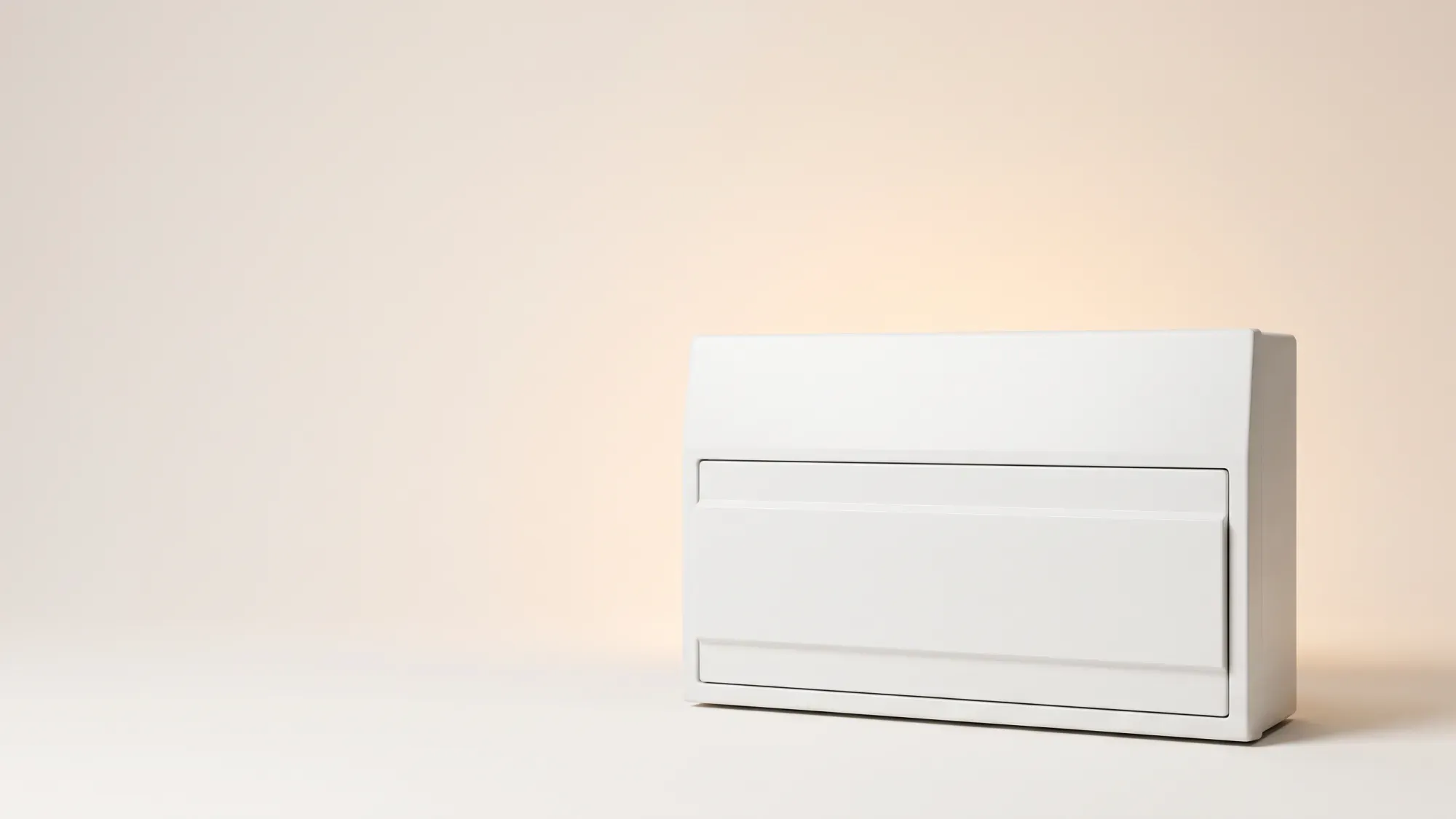
Your gas and electricity meters are usually found in accessible but often out-of-the-way spots. For electricity, check under the stairs, in a utility cupboard, or sometimes on an outside wall in a white box. Gas meters are typically outside in a small box, often near the front door, or occasionally inside a cupboard near the front of the property. If you are struggling to find them, ask the previous occupants or your landlord.
Taking accurate opening meter readings
Taking accurate opening meter readings on the day you move in is one of the most important steps. These readings mark the start of your responsibility for the energy used at the property and prevent you from being charged for the previous occupant's usage.
Write down the numbers exactly as they appear, ignoring any red digits or digits after a decimal point. Take a photo of each meter with your phone as proof, ensuring the date and time are visible. You will need these readings when you contact your energy suppliers.
Identifying your current energy suppliers
When you move into a new property, you are automatically placed on a 'deemed' contract with the existing suppliers for that address. You have the right to switch from this contract without penalty, but first, you need to know who those suppliers are.
For electricity: MPAN and National Grid tool
Every electricity supply point has a unique Meter Point Administration Number (MPAN), also known as a Supply Number. This 21-digit reference helps identify your electricity supply. You can usually find your MPAN on previous bills for the property, or by using the National Grid Electricity Distribution's "What's My Supplier?" tool online. Simply enter your postcode, and the tool will tell you who supplies your electricity.
For gas: MPRN and find my supplier
Similarly, gas supply points are identified by a Meter Point Reference Number (MPRN). This is a unique number, typically 6 to 10 digits long, found on gas bills. To find out who supplies your gas, use the "Find My Supplier" website, run by Xoserve on behalf of the gas industry. Enter your postcode and the tool will reveal your current gas supplier.
Choosing your new energy supplier and tariff
Once you know who your current suppliers are, you can start making informed decisions about your energy.
Understanding deemed contracts
As mentioned, when you move in, you will be on a 'deemed' contract. This is a temporary arrangement, and the rates might not be the most competitive. You are free to switch to a new supplier and tariff that better suits your needs. Ofgem, the UK's energy regulator, ensures consumers have the right to switch suppliers without penalty.
Comparing tariffs and services
This is where you can take control of your energy costs. Compare different energy tariffs and suppliers to find one that offers the best value and service for your new home. Consider factors like:
- Unit rates and standing charges: These make up the bulk of your bill.
- Contract length: Fixed-term contracts offer price certainty, while variable tariffs can change.
- Customer service: Look for suppliers with good reviews and reliable support.
- Payment options: Direct Debit is common, but other options might be available.
The average UK home uses around 2,500 kWh of electricity and 9,500 kWh of gas per year, which can be a useful benchmark when comparing tariffs. These are Ofgem's medium typical domestic consumption values (TDCVs)1, effective from 1 July 2026.
The energy switching process
Switching energy suppliers might seem daunting, but it is a regulated process designed to be straightforward.
Notifying your old supplier
If you are moving out of a property, it is important to notify your current energy supplier of your move-out date and provide a final meter reading. This ensures you are not billed for energy used after you have left the property.
Initiating the switch with your new provider
Once you have chosen your new supplier, they will handle most of the switching process. You will typically need to provide them with your new address, your opening meter readings, and your MPAN and MPRN (if you have them). The new supplier will contact your old suppliers and arrange the transfer. If you are switching to Fuse Energy, we will handle the notification to your previous supplier. Your main task will be to provide accurate final meter readings from your old property, either manually through the Fuse app or automatically if you have a smart meter.
What to expect during the switch
Under Ofgem's Faster Switching rules, a domestic supplier transfer must be completed within up to 5 working days of the relevant date. You can also request a later start date if you prefer. During this time, your supply will not be interrupted. Your new supplier will keep you updated on the progress. If there are any issues, such as an objection from your previous supplier, your new provider will usually inform you and help resolve it. Energy suppliers must provide clear information about tariffs, contracts, and switching processes.
Managing your energy account
Once you are switched over, managing your energy account effectively can help you stay on top of your bills and usage.
Setting up payments and Direct Debits
Most suppliers offer Direct Debit as a payment method, which often comes with a discount. Ensure your Direct Debit amount is set appropriately for your estimated usage to avoid large credit or debit balances. You can usually adjust this through your online account or app.
Understanding your first bill
Your first bill from your new supplier will confirm your tariff and show your initial usage based on the opening meter readings you provided. Review it carefully to ensure all details are correct. If you have any questions, contact your supplier's customer support.
What is a MPAN?
An MPAN is a unique 21-digit reference number that identifies your electricity supply point in the UK. It is crucial for identifying your electricity supplier and initiating a switch. You can typically find it on your electricity bills or by using the National Grid Electricity Distribution's online tool.
Smart meters and ongoing management
Smart meters automatically send your meter readings to your supplier, eliminating the need for manual submissions and helping ensure accurate bills. They also provide real-time information about your energy usage, empowering you to understand and manage your consumption more effectively. Many modern energy providers offer digital-first experiences, allowing you to manage your account, view usage, and access support through an app, giving you transparent control over your energy from day one.
Setting up gas and electricity in a new home does not have to be a source of stress. By following these steps, you can ensure a smooth transition and focus on making your new house a home.
Managing your energy bills should be clear and easy to understand. Fuse Energy focuses on straightforward pricing, so you can see exactly what you are paying without unnecessary complexity. If you have a smart meter, you can view detailed usage data through the app or website, helping you understand how you can lower your bills. If you do not have a smart meter, Fuse Energy can upgrade your non-smart meter, completely for free. This can make it easier to track spending and make informed decisions about your energy use. Our 24/7 human support team is always on hand with fast response times of under 5 minutes whenever you need help. Click here to switch to Fuse Energy today. Find out about our mission by clicking here.
References
Disclaimer
For the avoidance of doubt, this article is provided for informational purposes only and is not intended to constitute legal or financial advice. The author and/or Fuse Energy shall not be responsible for any losses arising out of any reliance on the information contained herein.