RTS meter warning: your free smart meter upgrade
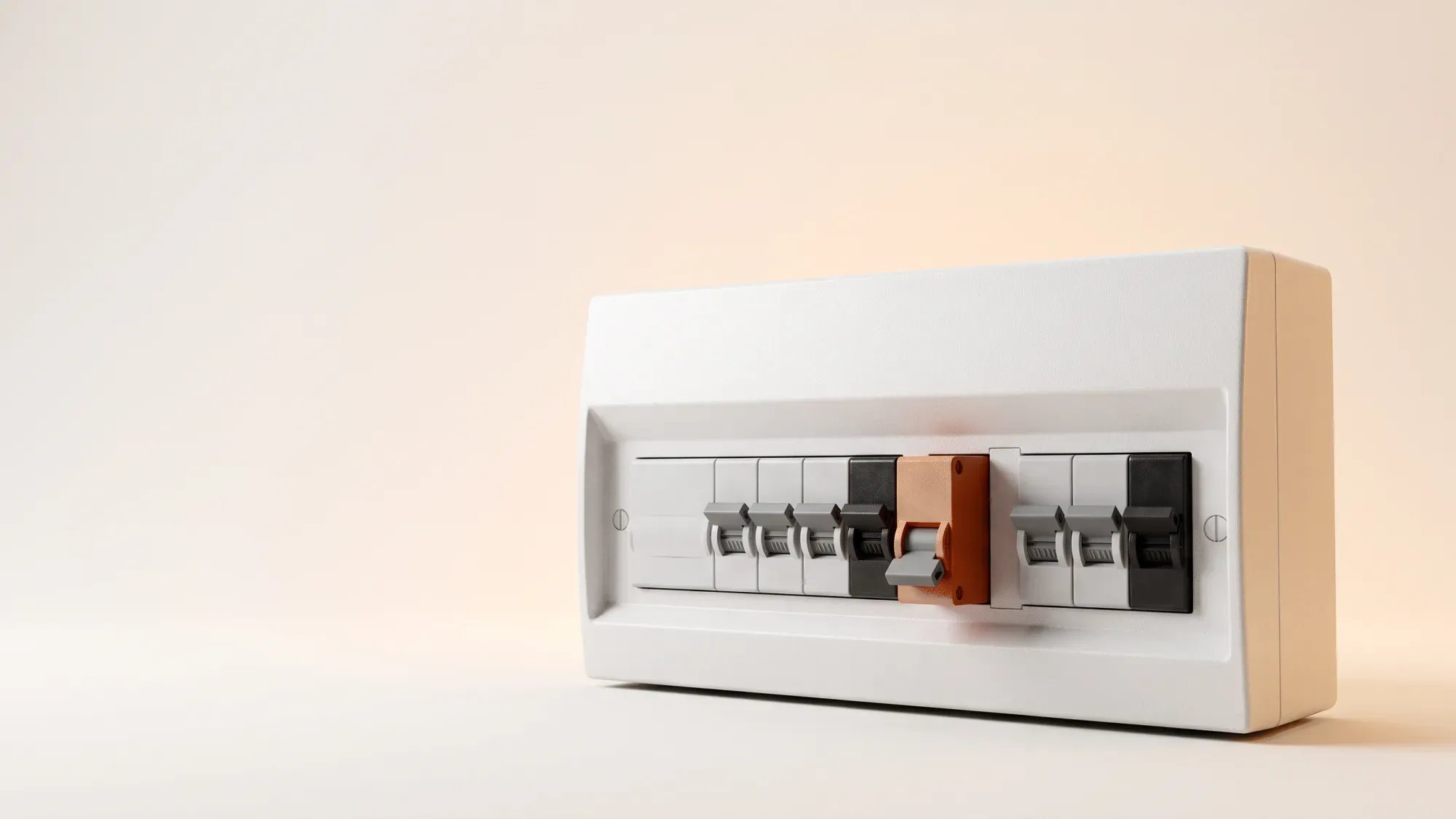
If you have received a warning about your Radio Teleswitch Service (RTS) meter, it means a significant change is coming to how your electricity is supplied and billed. The RTS signal, a legacy technology used by older electricity meters to switch between peak and Off-Peak tariffs, began its industry-wide switch-off on 30 June 2025. This guide explains what an RTS meter warning means for you, the actions you need to take, and how your energy supply and costs will be affected.
Once your RTS meter is replaced with a smart meter, you will be ready to explore modern energy solutions. Click here to see how easy it is to switch to Fuse Energy.
Enter your address to get a quote and see how much you could save
What is an RTS meter and how does it work?
An RTS meter is a type of electricity meter that relies on a longwave radio signal to control when your electricity switches between different tariffs, typically peak and Off-Peak rates. This system was particularly common for homes with Economy 7 tariffs or electric storage heaters, allowing them to benefit from cheaper electricity during Off-Peak hours. The radio signal essentially tells the meter when to switch to the lower rate, ensuring appliances like storage heaters charge up when electricity is less expensive.
Identifying an RTS meter in your home
Identifying an RTS meter can sometimes be tricky, as they come in various shapes and sizes. However, there are a few common indicators. Many RTS meters will have a label or display that mentions "RTS", "Radio Teleswitch", or "Economy 7" alongside multiple sets of readings (e.g., "Rate 1" and "Rate 2" or "Peak" and "Off-Peak"). They often look like older, larger electricity meters, sometimes with a small aerial or a visible clock mechanism. If you are unsure, the best way to confirm is to check your electricity bill, which should specify your meter type, or contact your current energy supplier.
The role of the radio Teleswitch service
RTS has been a crucial part of the UK's energy infrastructure for decades. It broadcast a signal that allowed energy suppliers to remotely switch customers' meters between different tariff rates. This enabled flexible pricing, encouraging consumers to use electricity during Off-Peak periods when demand on the grid was lower. For many, this meant cheaper heating overnight or reduced costs for running appliances during specific times.
Why the radio Teleswitch service is being switched off
The RTS is a decades-old technology that is now being phased out across the UK. This is an industry-wide initiative, overseen by the energy regulator Ofgem, to move away from outdated infrastructure towards more modern, efficient, and flexible energy systems.
The industry-wide phase-out timeline
The industry-wide switch-off of the RTS signal commenced on 30 June 2025. This means that, over time, the radio signals that control these meters will cease to operate. The phase-out is a managed process, but it requires all affected homeowners to take action to ensure a smooth transition.
Impact on older meters and tariffs
Once the RTS signal is switched off, meters that rely on it will no longer be able to automatically switch between peak and Off-Peak rates. This has direct implications for your energy bills and how you manage your electricity usage. Without replacement, RTS meters may cease to function correctly for tariff switching, leading to the loss of Off-Peak tariffs and potential heating issues for those who rely on them. This could mean your storage heaters might not charge at the cheaper rate, or your electricity could be charged at a single, higher rate throughout the day.
Understanding your RTS meter warning
Receiving an RTS meter warning means your energy supplier is alerting you to the upcoming changes and the need to replace your meter. It is a prompt to act, not a cause for panic.
Common forms of warnings you might receive
Warnings about your RTS meter can come in various forms. You might receive a letter from your energy supplier, an email, or a notification on your energy bill. These communications will typically explain that your meter is affected by the RTS switch-off and that you need to arrange a replacement. They should also provide clear instructions on how to proceed.
Implications for Economy 7 and storage heaters
For homeowners on an Economy 7 tariff or those with electric storage heaters, the RTS switch-off is particularly relevant. These systems are designed to take advantage of cheaper Off-Peak electricity. Once the RTS signal is gone, your meter will no longer be able to automatically switch to the lower night rate. This could mean your storage heaters will not charge efficiently, or you could end up paying peak rates for all your electricity consumption, significantly increasing your energy costs.
Potential consequences of not replacing your meter
Ignoring an RTS meter warning can lead to several undesirable outcomes. The most immediate consequence is the potential loss of your Off-Peak tariff, meaning you could be charged a higher, single rate for all your electricity. For homes with storage heaters, this could result in much more expensive heating bills or even a loss of control over your heating system. In some cases, the meter might cease to function correctly for tariff switching, leading to billing complications or the loss of Off-Peak rates.
What happens if I do not replace my RTS meter?
If you do not replace your RTS meter, it will eventually stop receiving the signal that controls its tariff switching. This means you could lose your cheaper Off-Peak rates, leading to higher energy bills, especially if you rely on Economy 7 or storage heaters. Your meter might also cease to function correctly, causing billing issues.
Your free smart meter upgrade: step-by-step guidance
The good news is that replacing your RTS meter with a smart meter is straightforward and free of charge. Your current energy supplier is responsible for replacing your RTS meter with a smart meter.
Contacting your current energy supplier
The first and most important step is to contact your current energy supplier. They are obligated to replace your RTS meter with a smart meter at no cost to you. Explain that you have received an RTS meter warning and need to arrange a smart meter installation. They will guide you through their booking process.
What to expect during installation
Your energy supplier will arrange an appointment for an engineer to visit your home and install the new smart meter. The smart meter installation process typically takes a couple of hours, and the engineer will need access to your meter. They will replace your old RTS meter with a new smart meter, which will then communicate directly with your supplier, sending automatic readings. The engineer should also explain how your new smart meter works and answer any questions you have.
Ensuring a smooth transition for your tariffs
Before and after your smart meter installation, make sure to discuss your tariff with your energy supplier. If you were on an Economy 7 tariff, your supplier should be able to offer you a smart meter-compatible tariff that allows you to continue benefiting from peak and Off-Peak rates. Confirm how your new smart meter will record your usage and how your billing will reflect your chosen tariff to avoid any surprises.
Embracing modern energy with your new smart meter
Upgrading to a smart meter is more than just replacing an old device; it is an opportunity to gain greater control and understanding of your energy usage.
Benefits of smart meters for homeowners
Smart meters offer several advantages. They send automatic meter readings to your supplier, eliminating the need for manual readings and ensuring accurate bills. This means no more estimated bills or unexpected charges. Smart meters also come with an in-home display, which shows you exactly how much energy you are using in near real-time, in pounds and pence. This visibility can help you identify energy-saving opportunities and manage your consumption more effectively, contributing to a better understanding of your energy bill.
Exploring new tariffs and energy management options
With a smart meter, you unlock access to a wider range of modern tariffs, including time-of-use tariffs that can offer cheaper electricity during specific hours, not just overnight. This flexibility allows you to shift high-energy activities, like charging an electric vehicle or running a washing machine, to cheaper times, potentially saving you money. The average UK home uses around 2,500 kWh of electricity per year, and a smart meter can help you manage this usage more efficiently.
Switching to a modern energy supplier like Fuse Energy
Once your current supplier has upgraded your RTS meter to a smart meter, you will be free to explore modern energy providers. Fuse Energy is building a future with "power to play with", where energy is abundant and easy to manage. With your new smart meter, you can benefit from the transparency and control offered by modern energy apps like Fuse's, making it easier to understand your usage and manage your bills. Fuse Energy offers 24/7 human customer support and a digital-first experience, aligning with a future free from energy anxieties.
Managing your home energy should be simple and transparent. Fuse Energy offers clear pricing, real-time usage data through our app, and 24/7 human customer support to help you take control of your energy bills. Switching to Fuse is quick and easy, designed to give you peace of mind.
Click here to switch to Fuse Energy today. To learn more about our mission for a sustainable energy future, click here.
Disclaimer
For the avoidance of doubt, this article is provided for informational purposes only and is not intended to constitute legal or financial advice. The author and/or Fuse Energy shall not be responsible for any losses arising out of any reliance on the information contained herein.