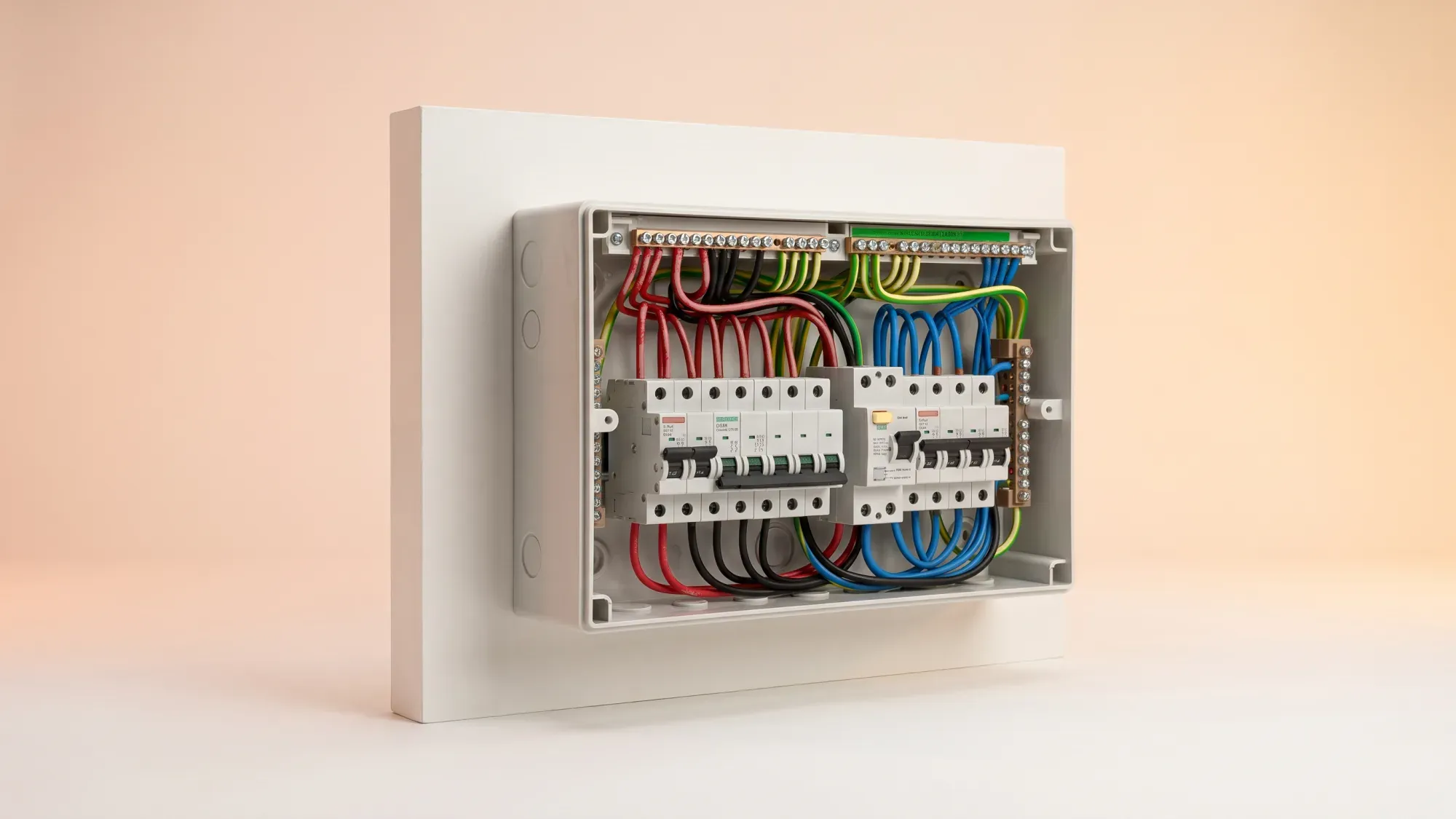
If you have a Radio Teleswitch Service (RTS) meter, it is a legacy device that uses a longwave radio signal to switch between peak and off-peak electricity rates. The service is being switched off across the energy industry, making these meters obsolete. Your current energy supplier will replace yours with a smart meter, free of charge. Once this mandatory upgrade is complete, you can then explore modern energy options for a digital-first experience.
If you are affected by the RTS meter switch-off, understanding your options is key. Once your current supplier has replaced your RTS meter with a smart meter, you can explore modern energy solutions. Find out more about switching to Fuse Energy here.
An RTS meter is a type of electricity meter that relies on a longwave radio signal to manage different electricity tariffs. These meters are designed to automatically switch between peak and off-peak rates, typically for customers on multi-rate tariffs such as Economy 7 or Economy 10. This system allowed households to benefit from cheaper electricity during specific hours, often for electric storage heaters or hot water systems that charge overnight.
How radio teleswitch service (RTS) meters work
RTS meters receive signals from a central transmitter, instructing them to switch between different registers. For example, during off-peak hours, the meter records consumption on a cheaper tariff register, and during peak hours, it switches to a more expensive one. This system was introduced in the 1980s to help balance the load on the National Grid by encouraging electricity usage during periods of lower demand.
Identifying an RTS meter
Identifying an RTS meter can sometimes be tricky, as they come in various shapes and sizes. However, common indicators include a label or display mentioning "RTS", "Radio Teleswitch", or "Economy 7". They often appear as older, larger electricity meters, sometimes with a small aerial or a visible clock mechanism. You might also have a separate switch box near your energy meter labelled "radio teleswitch" or "RTS". If you are unsure, check your electricity bill or contact your current energy supplier.
RTS is a decades-old technology that is now reaching the end of its operational life. The equipment that produces the radio signal can no longer be adequately maintained.
The end of a legacy technology
RTS was introduced in the 1980s. The decision to phase out the service is due to its outdated nature and the inability to maintain the necessary infrastructure. This makes their replacement with modern smart meters essential to ensure continued energy supply and accurate billing.
Industry-wide modernisation
The RTS phase-out is part of a broader industry-wide move towards a modern, digital energy system. Smart meters are a key component of this modernisation, enabling automated readings and more flexible energy management. The phase-out began on 30 June 2025.
If you have an RTS meter, the switch-off will impact how your electricity is supplied and billed. The service will begin a managed phase-out, affecting groups of meters at a time.
Impact on multi-rate tariffs
Once the RTS signal is switched off, meters that rely on it will no longer be able to automatically switch between peak and off-peak rates. This could lead to your heating system either running continuously, failing to operate at the correct times, or defaulting to a single, more expensive peak rate for all your electricity consumption. This would significantly increase your energy costs, especially if you rely on Economy 7 or storage heaters.
Ensuring continuous supply and accurate billing
Your electricity supply will not be cut off when the RTS is switched off. However, without a functioning RTS signal, your supplier may not know when you are using electricity, potentially leading to incorrect billing. Upgrading to a smart meter ensures you continue to receive accurate bills and reliable heating controls.
If you have an RTS meter, taking action to replace it is crucial. Energy suppliers are required to exchange an RTS meter for a smart meter free of charge.
Contacting your current energy supplier
The first and most important step is to contact your current energy supplier. They are obligated to replace your RTS meter with a smart meter at no cost to you. Explain that you have an RTS meter and need to arrange a smart meter installation.
The free smart meter upgrade process
Your current energy supplier will arrange an appointment for an engineer to visit your home and install the new smart meter. This upgrade is free of charge, so you should not expect to pay for the new meter or its installation.
What to expect during installation
The smart meter installation process typically takes a couple of hours. The engineer will need access to your meter to remove the old RTS meter and install the new smart meter. They will also ensure it is connected to the smart network and should explain how your new smart meter works.
Upgrading to a smart meter offers several advantages over legacy RTS meters.
Automated readings and accurate bills
Smart meters send automatic readings to your energy supplier, ending estimated bills and ensuring you only pay for the energy you actually use. This provides greater confidence in your billing accuracy.
Access to modern tariffs and energy management tools
Smart meters enable access to modern, flexible tariffs, including those with different rates at various times of the day, similar to the functionality of RTS meters but with enhanced capabilities. They also come with an in-home display (IHD), showing your energy consumption in near real-time.
Understanding your energy usage better
The in-home display provided with a smart meter allows you to monitor your energy usage in pounds and pence, helping you identify energy-intensive habits and make informed decisions to manage your consumption. This can help you save money on your energy bills and reduce your carbon footprint.
Once your RTS meter has been replaced with a smart meter, you will be equipped to take advantage of a more modern and digital approach to energy management.
Exploring new energy suppliers
With a smart meter installed, switching energy suppliers becomes easier, without interruption to energy readings or bill payments. This opens up the opportunity to explore a wider range of tariffs and services from different providers.
The Fuse Energy experience with a smart meter
Once your current supplier has replaced your RTS meter with a smart meter, you will be ready to explore modern energy solutions. Fuse Energy offers a digital-first approach with advanced app functionality, providing clear pricing, real-time usage data, and 24/7 human customer support. Fuse Energy cannot accept customers who still have an RTS meter; the meter must first be replaced with a smart meter by their current supplier before switching to Fuse is possible.
Once your RTS meter has been replaced with a smart meter, you can switch to Fuse Energy for a modern energy experience designed around you. Our straightforward pricing and in-app usage data help you stay in control of your energy bills. Click here to get a quote and see how easy it is to switch. You can also learn more about our mission to make energy simpler and greener by clicking here.