Doors slamming shut can be a common household nuisance, creating jarring noise and potentially damaging property. For homeowners and renters across the UK, finding practical ways to prevent door slamming is key to a quieter, more comfortable home. This guide explores the reasons why doors slam and offers a range of solutions, from simple DIY fixes to specific hardware installations, to help you keep a door from slamming.
Thinking about preventing door slamming? With Fuse Energy, you get clear pricing, real-time usage data, 24/7 human customer support, and a modern energy experience designed around you. Signing up takes just a few minutes, so you can take control of your bills from day one. Click here to switch to Fuse Energy today and unlock potential savings.
Before tackling the problem, it helps to understand why doors slam in the first place. Often, it is not simply due to someone closing a door too forcefully.
Common causes of door slamming
A door that slams usually indicates an issue with airflow, alignment, or its fittings. Common culprits include loose hinges, which allow a door to swing more freely and pick up speed. Poor alignment can also prevent a door from closing smoothly, causing it to snap shut with force. Faulty or worn door closers can lose tension over time, failing to control the door's closing speed.
The role of airflow and draughts
Airflow plays a significant role in door slamming. Changes in air pressure between rooms or open windows can create a sudden rush of air that pushes doors shut. Draughts, which are bursts of air entering through gaps around windows or door frames, can also move lighter doors unexpectedly, causing them to slam. These draughts are not just a nuisance; they contribute to significant heat loss, impacting home energy efficiency and making your home feel colder.
Many door slamming issues can be resolved with straightforward DIY adjustments and minimal cost.
Adjusting loose hinges
Loose hinges are a common cause of slamming doors. If the hinges are not tight or fitted correctly, the door may swing more freely and pick up speed as it shuts. Inspect your door hinges and tighten any loose screws with a screwdriver. If the screws are worn out, consider replacing them with longer ones for a better grip. It is important not to overtighten them, as this can damage the door or frame.
Using door wedges and stoppers
For a quick and easy solution, door wedges or stoppers can prevent a door from closing completely or reduce the impact if it does. These are particularly useful in preventing doors from swinging shut due to sudden draughts. Lightweight stoppers can shift, so choose a sturdy option that stays in place.
Lubricating door mechanisms
Sometimes, a door mechanism might be stiff or sticky, causing it to catch and then slam shut. Lubricating hinges and latches can help the door operate more smoothly. Use a silicone-based spray or a few drops of oil on the moving parts of the hinges and the latch mechanism.
For more persistent problems or a more permanent fix, various hardware solutions are available.
Door closers and dampers
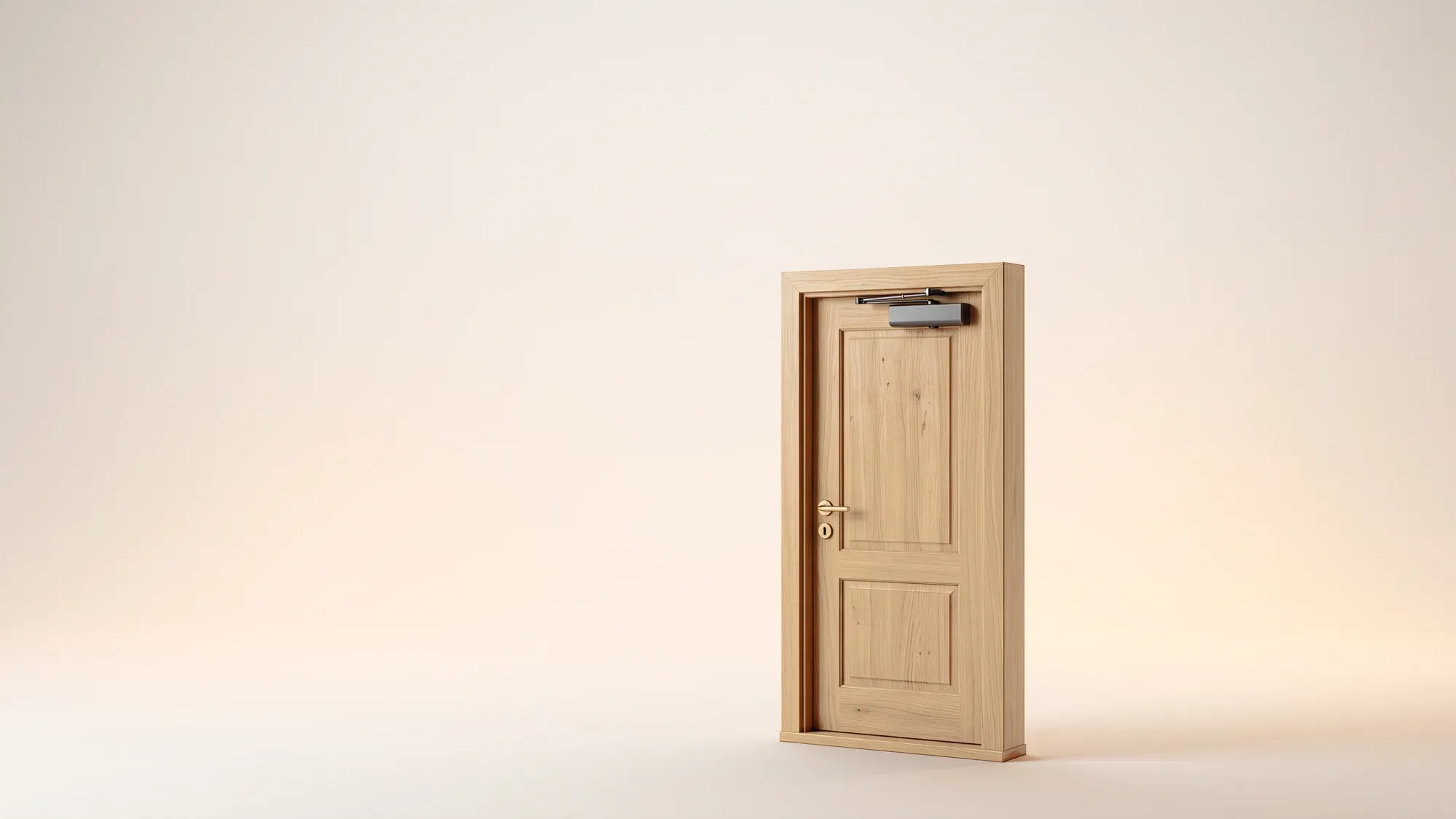
Door closers are devices that automatically close a door after it has been opened, controlling its speed and force. They can be adjusted to prevent slamming by setting the closing and latching speeds. Turning the adjustment screws clockwise typically slows the door's closing speed, while counter-clockwise speeds it up.
Door dampers are designed to absorb impact and reduce noise when a door closes. They typically engage in the final few degrees of closing, cushioning the door's movement and preventing a hard slam.
Soft close door hinges
Soft close hinges incorporate a damping mechanism directly into the hinge itself. These are particularly popular for cabinet doors but are also available for full-sized doors, providing a gentle and controlled closing action without the need for an external closer.
Door buffers and silencers
Door buffers are small, often rubber or felt pads that can be applied to the door frame or the door itself to cushion the impact when it closes. They are a simple and inexpensive way to reduce noise and prevent damage from minor slamming. Silencers, often made of plastic or silicone, fit into the latch plate to reduce the click of the latch and provide a softer close.
Tackling draughts not only helps prevent doors from slamming but also significantly improves your home's energy efficiency.
Sealing gaps around doors
Even small gaps around your doors can cause significant heat loss during colder months. Sealing these gaps is crucial. You can use adhesive foam strips around the door frame to block smaller openings. For larger gaps, brush seals or draught strips can be fitted to the bottom of the door, allowing it to move smoothly while preventing airflow.
Installing draught excluders
Draught excluders, also known as door snakes or door seals, are effective at blocking cold air at the base of the door. These can be a temporary or permanent fixture, depending on the type. For external doors, ensure any keyholes or letterboxes are also draught-proofed.
The link between draughts and energy bills
Draughts are a major source of heat loss in homes. By preventing cold air from entering and warm air from escaping, you can maintain a more consistent indoor temperature, reducing the need to turn up your heating. This directly translates to potential savings on your energy bills and a more comfortable living environment.
Selecting the best method to prevent door slamming depends on several factors specific to your situation.
Assessing your door type and issue
First, identify the root cause of the slamming. Is it loose hardware, a strong draught, or a faulty closing mechanism? Consider the type of door (interior, exterior, heavy, light) and its environment. A heavy exterior door might benefit from a robust door closer, while a lightweight interior door might only need hinge adjustments or buffers.
Considering budget and installation difficulty
DIY fixes like tightening hinges or adding buffers are generally low-cost and easy to implement. Hardware solutions like door closers or soft close hinges might require a larger investment and some DIY skill or professional installation. Weigh the cost against the desired level of control and permanence.
Combining solutions for best results
Often, a combination of solutions yields the best outcome. For example, addressing loose hinges, installing draught proofing, and adding a simple buffer can collectively eliminate slamming and improve comfort.
Regular maintenance can keep your doors functioning smoothly and prevent future slamming issues.
Regular checks and adjustments
Periodically check hinges for tightness and lubricate moving parts. Inspect draught proofing for wear and tear, replacing it as needed. If you have door closers, test their speed settings and adjust them if the door starts to slam again.
When to call a professional
If you have tried DIY fixes and hardware solutions without success, or if you suspect a more complex issue like a warped door frame or significant structural misalignment, it may be time to call a professional. A carpenter or a door specialist can diagnose underlying problems and recommend appropriate repairs or replacements.