Peak and off-peak electricity times explained
Understanding how and when you use electricity can significantly impact your household bills. In the UK, energy prices often vary throughout the day, with higher rates during "peak" times of high demand and lower rates during "off-peak" periods. By grasping these fluctuations and adapting your energy consumption, you can gain greater control over your costs and contribute to a more efficient energy system.
Optimising your energy usage around peak and off-peak times can lead to noticeable savings on your bills. Fuse Energy provides clear insights into your consumption patterns through its app, helping you make informed decisions about when to use your appliances. Click here to see how Fuse can help you manage your energy.
Enter your address to get a quote and see how much you could save
Understanding peak and off-peak electricity times
Electricity isn't priced uniformly around the clock. Instead, the cost of power changes based on demand, leading to distinct peak and off-peak periods.
What are peak and off-peak hours?
Peak hours are periods when electricity demand is highest, typically in the mornings and evenings when most people are at home, using appliances, cooking, and charging devices. Conversely, off-peak hours are times of lower demand, usually overnight and sometimes during the middle of the day, when fewer households are actively consuming large amounts of electricity.
Why do energy prices vary?
Energy prices vary primarily due to the economics of supply and demand. When demand for electricity surges, energy generators, particularly those that are more expensive to run, are brought online to meet the need. This drives up the wholesale price of electricity. During off-peak times, when demand is low, cheaper and often renewable sources can cover the majority of the load, resulting in lower prices. This dynamic pricing encourages consumers to shift their usage, helping to balance the National Grid and reduce strain during high-demand periods.
The concept of time-of-use tariffs
Time-of-use (ToU) tariffs are designed to reflect these fluctuating wholesale costs. Instead of a flat rate for electricity regardless of when it's used, ToU tariffs charge different rates for different times of the day. This means you pay more per unit of electricity during peak hours and less during off-peak hours. The aim is to incentivise consumers to use energy when it's cheaper, which can lead to lower bills and a more stable energy supply for everyone.
How time-of-use tariffs work in the UK
In the UK, time-of-use tariffs offer a way to manage energy costs by aligning consumption with cheaper periods. These tariffs are becoming increasingly relevant as the energy market evolves.
Dual-rate variable tariffs explained
Dual-rate variable tariffs are a common type of time-of-use tariff in the UK. They typically feature two distinct unit rates for electricity: a higher rate for peak consumption and a lower rate for off-peak usage. These rates can change quarterly, in line with the energy price cap set by the regulator, Ofgem. Unlike fixed-rate tariffs, variable tariffs do not have an end date or exit fees, offering flexibility.
Eligibility for off-peak electricity tariffs
To benefit from off-peak electricity tariffs, you generally need a meter capable of recording your usage at different times of the day. This means either a smart meter or a multi-register (dual-rate) manual meter. Smart meters are particularly well-suited for these tariffs as they automatically send half-hourly consumption data to your supplier, ensuring accurate billing based on your actual usage patterns.
What is a multi-register meter?
A multi-register meter is an electricity meter that records consumption across two or more separate registers, allowing for different rates to be applied during peak and off-peak periods. This enables households to access tariffs that charge varying prices depending on the time of day, without necessarily needing a smart meter.
The industry-wide phase-out of Radio Teleswitch Service (RTS) meters, which began on 30 June 2025, means that these legacy meters are being replaced with smart meters. If you still have an RTS meter, your current supplier should contact you to arrange a free upgrade. Once you have a smart meter, you can fully access the benefits of modern dual-rate tariffs.
The role of the energy price cap
Ofgem, the UK's energy regulator, sets the energy price cap, which limits the maximum unit rates and standing charges suppliers can charge for standard variable tariffs. This cap is updated quarterly, effective from 1 January, 1 April, 1 July, and 1 October each year. For the period of 1 July to 30 September 2026, the typical electricity unit rate for Direct Debit customers on a Standard Variable Tariff is 26.11p per kWh, with a daily standing charge of 57.19p. While the price cap applies to standard variable tariffs, it also influences the pricing of dual-rate variable tariffs, ensuring that even with varying rates, there's a ceiling on what suppliers can charge.
Smart meters: your gateway to cheaper electricity
Smart meters are more than just a modern replacement for traditional meters; they are a fundamental tool for managing energy consumption and accessing the most beneficial tariffs.
How smart meters enable flexible energy use
Unlike older meters that simply record total consumption, smart meters can record half-hourly electricity usage and automatically send these readings to your energy supplier. This granular data is crucial for time-of-use tariffs, as it allows your supplier to accurately bill you for electricity used during specific peak and off-peak periods. Furthermore, smart meters often come with an in-home display (IHD) that shows your energy consumption in near real-time, expressed in pounds and pence. This immediate feedback empowers you to see the impact of your actions and adjust your usage to take advantage of cheaper rates.
Getting a free smart meter upgrade
The UK government has mandated that energy suppliers offer smart meters to their customers at no upfront cost. If you currently have a manual meter, you are eligible for a free smart meter upgrade. This upgrade is essential for accessing dual-rate tariffs and unlocking the full potential of flexible energy management. Fuse offers a free smart meter upgrade for customers with manual meters, enabling access to dual-rate tariffs and the benefits of time-of-use pricing.
Monitoring your usage with the Fuse app
For Fuse customers, the Fuse app provides clear insights into energy usage. It helps you understand your consumption patterns, track your spending, and optimise for peak and off-peak rates. This transparency allows you to make informed decisions about when to use your most energy-intensive appliances, ensuring you maximise the benefits of your tariff.
Strategies for optimising your off-peak electricity usage
Making the most of off-peak tariffs involves a conscious effort to shift when and how you use electricity. This isn't about using less, but about using it smarter.
Identifying high-consumption appliances
The first step to optimising your energy usage is to identify which appliances in your home consume the most electricity. Typically, these include washing machines, tumble dryers, dishwashers, electric ovens, electric showers, and electric vehicle (EV) chargers. According to Ofgem, the average UK home uses around 2,500 kWh of electricity per year1. Knowing your own consumption helps you target areas for change.
Shifting energy-intensive tasks
Once you know your high-consumption appliances, you can begin to shift their operation. For example:
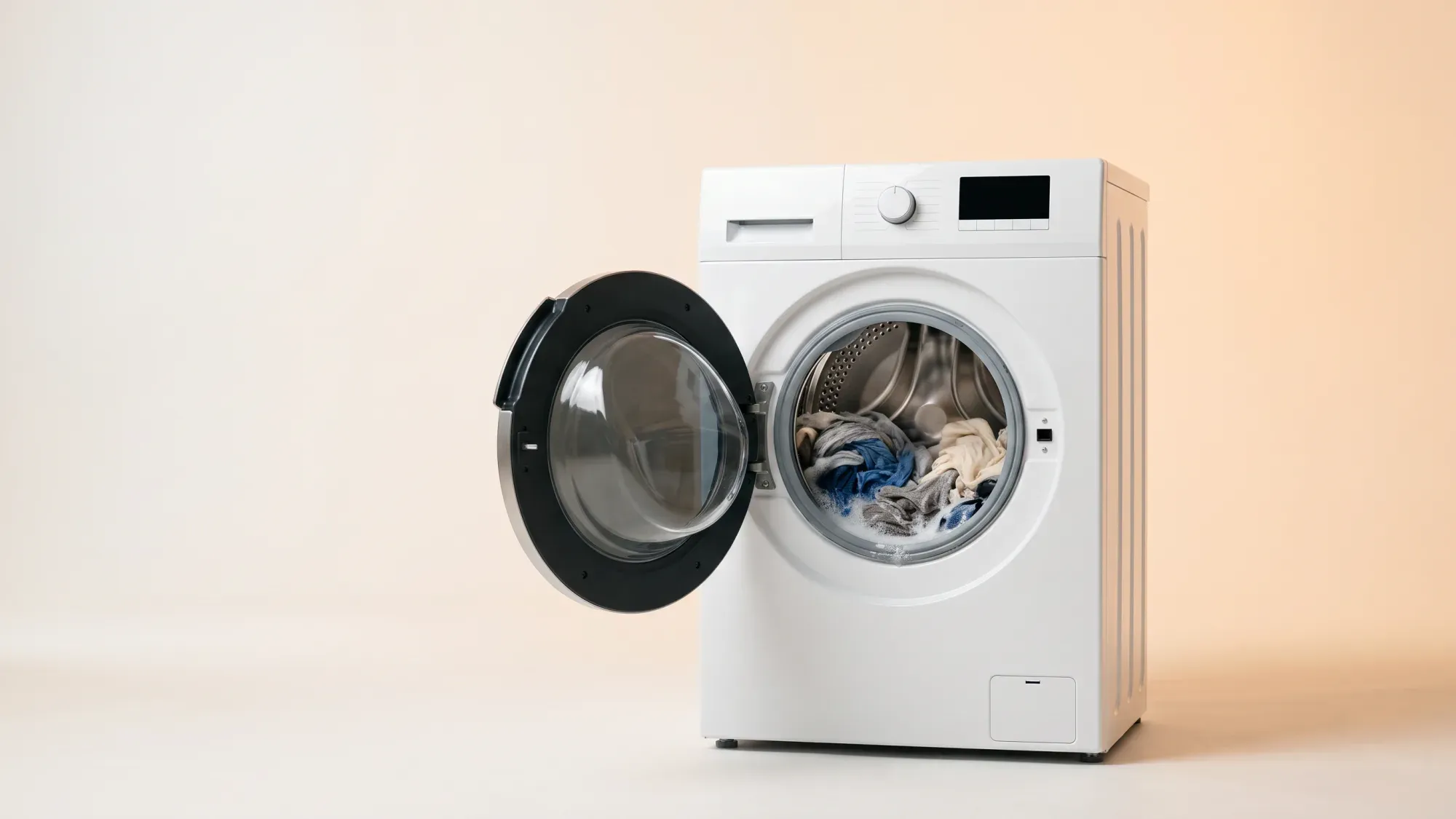
- Laundry: Run your washing machine and tumble dryer overnight or during designated off-peak windows. Many modern appliances have delay timers that make this simple.
- Dishwashing: Load your dishwasher after your evening meal and set it to run during the night.
- Cooking: If possible, plan meals that require less oven use during peak times, or prepare components in advance during off-peak periods.
This shift in routine can significantly reduce the amount of electricity you consume at higher peak rates, leading to lower overall bills.
Charging electric vehicles affordably
Electric vehicle charging can be a significant contributor to household electricity consumption. By charging your EV during off-peak hours, you can take advantage of lower electricity rates. Many EV chargers and vehicles allow you to schedule charging sessions, making it easy to align with your off-peak tariff. While Fuse's dedicated EV tariff was withdrawn from sale on 1 July 2026, dual-rate variable tariffs remain an excellent option for affordable EV charging.
Maximising savings with home energy storage
For those with solar panels or considering them, home energy storage solutions like batteries can further enhance savings. Batteries can store excess solar energy generated during the day and discharge it during peak evening hours, reducing reliance on grid electricity when it's most expensive. Some systems can also be programmed to charge from the grid during off-peak times, providing a buffer against peak rates. Fuse offers an export rate of 13p per kWh for electricity exported to the grid under the Smart Export Guarantee (SEG). This allows you to earn from any surplus renewable energy your home generates.
Making a power play: the benefits of smart energy management
Embracing smart energy management and time-of-use tariffs offers more than just financial benefits; it provides a sense of control and contributes to a more sustainable energy future.
Reducing your household electricity bills
The most immediate and tangible benefit of optimising your energy usage is the potential to reduce your household electricity bills. By shifting energy-intensive tasks to off-peak hours, you pay less per unit for a significant portion of your consumption. This direct impact on your outgoings can free up funds and provide greater financial flexibility.
Gaining control over your energy costs
Smart energy management empowers you to actively participate in how you consume and pay for electricity. With clear insights from tools like the Fuse app and the ability to schedule appliance usage, you move from being a passive consumer to an active manager of your energy costs. This control can alleviate bill anxiety and foster a more proactive approach to household budgeting.
Contributing to a more stable energy grid
By encouraging off-peak usage, time-of-use tariffs help to balance grid demand. When demand is spread more evenly throughout the day, it reduces the need for expensive and often carbon-intensive peak power generation. This contributes to a more efficient and resilient energy system, supporting the integration of renewable energy sources and ultimately helping to build a more sustainable energy future for everyone. Fuse helps balance grid demand by encouraging off-peak usage, contributing to a more efficient and resilient energy system.
Ready to take control of your energy usage and make the most of peak and off-peak tariffs? Fuse Energy offers clear pricing, real-time usage data through our app, and 24/7 human customer support to help you manage your home's energy. Switching to Fuse is quick and easy, so you can start optimising your bills today. Click here to switch to Fuse Energy and discover a smarter way to power your home. You can also learn more about our mission to build a future with abundant energy by clicking here.
References
Disclaimer
For the avoidance of doubt, this article is provided for informational purposes only and is not intended to constitute legal or financial advice. The author and/or Fuse Energy shall not be responsible for any losses arising out of any reliance on the information contained herein.