Oil central heating: costs and alternatives
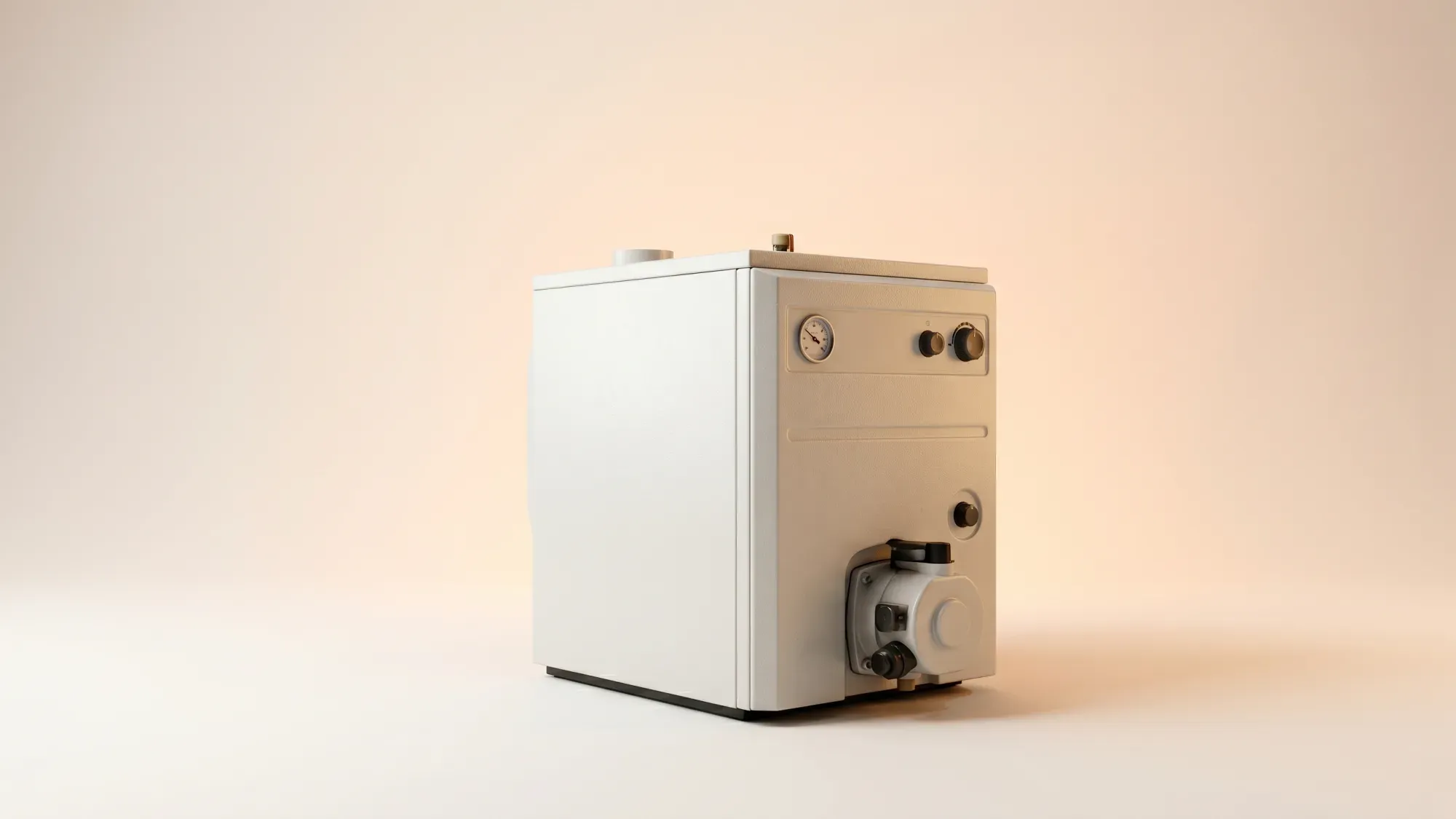
Oil central heating has been a common choice for many rural homes in the UK, especially those not connected to the mains gas grid. However, its fluctuating costs, efficiency, and environmental impact are growing concerns. This guide explores the realities of oil heating and outlines a clear path towards more stable and sustainable energy solutions.
Embracing modern heating solutions can lead to a more predictable and sustainable energy future. Fuse Energy provides clear pricing and real-time usage data through its app, helping you manage your electricity consumption efficiently, especially when paired with modern heating systems. Click here to switch to Fuse Energy today.
Enter your address to get a quote and see how much you could save
What is oil central heating?
How oil central heating works
An oil central heating system operates much like a gas system, but with a different fuel source. Heating oil is drawn from a storage tank to an oil-fired boiler. The boiler then burns the oil to heat water, which is circulated through radiators for space heating and to a hot water cylinder for domestic hot water. The system relies on a regular supply of heating oil, which homeowners must purchase and store on their property.
Oil boiler types and efficiency
There are two main types of oil boilers: conventional and condensing. Conventional boilers typically operate at lower efficiencies, often around 60-70%. Modern condensing oil boilers, however, can achieve efficiencies of 90% or more by recovering heat from exhaust gases that would otherwise be wasted.
The realities of oil heating in the UK
Running costs and price volatility
The cost of heating oil is subject to global market fluctuations, exchange rates, and local supply and demand, leading to price volatility for homeowners. This unpredictability makes budgeting difficult and can result in significant variations in heating bills throughout the year. The average UK home uses around 2,500 kWh of electricity per year. This provides a useful benchmark when considering the running costs of electric alternatives.
Environmental impact and future outlook
Burning heating oil contributes to carbon emissions, impacting environmental goals. The UK government plans to ban the installation of new oil and liquefied petroleum gas (LPG) boilers in homes off the gas grid from 2026. This regulatory shift signals a move towards low-carbon heating solutions and suggests that continued reliance on oil heating may become increasingly unsustainable and costly in the long term.
Common drawbacks for homeowners
Beyond cost volatility and environmental concerns, oil central heating presents several practical drawbacks. Homeowners must manage oil deliveries, ensuring their tank is refilled before it runs dry. The need for a large storage tank can also be an aesthetic and space concern. Furthermore, older oil boilers may be less efficient, leading to higher running costs and a larger carbon footprint.
Modern alternatives to oil central heating
Air source heat pumps
Air source heat pumps absorb heat from the outside air, even in cold temperatures, and use it to warm your home and hot water. They are highly efficient, typically converting 1kW of electricity into 3-4kW of heat. This makes them a compelling alternative to oil boilers, offering significant long-term savings and reduced carbon emissions.
Ground source heat pumps
Ground source heat pumps work similarly to air source models but extract heat from the ground through a network of buried pipes. While installation can be more complex and costly due to the excavation required, they offer consistent performance year-round as ground temperatures are more stable than air temperatures. They also boast high efficiency, similar to air source heat pumps.
Electric boilers and storage heaters
Electric boilers provide heating and hot water using electricity directly. While they do not offer the same efficiency gains as heat pumps, they are a compact and straightforward replacement for oil boilers, requiring no flue or fuel storage. Storage heaters, another electric option, store heat during off-peak hours when electricity is cheaper and release it throughout the day. Modern electric heating alternatives offer greater efficiency and environmental benefits compared to fossil fuel boilers.
Solar PV with battery storage
Solar photovoltaic (PV) panels generate electricity from sunlight, which can be used to power your home's electric heating system or other appliances. By adding battery storage, you can store excess solar electricity generated during the day for use in the evening or at night, further reducing reliance on grid electricity and lowering your energy bills. This combination offers a path towards greater energy independence and sustainability.
Government support for switching to low-carbon heating
The Boiler Upgrade Scheme (BUS)
The UK government offers financial incentives to encourage homeowners to switch to low-carbon heating systems. The Boiler Upgrade Scheme (BUS) provides grants of £7,500 towards the cost of installing an air source or ground source heat pump in England and Wales. Households in England and Wales currently on heating oil can claim an uplifted £9,000 to move off the oil grid. This scheme helps to offset the upfront cost of these efficient systems, making them more accessible.
What is the BUS?
The BUS is a UK government initiative offering grants to homeowners in England and Wales to help with the upfront costs of installing low-carbon heating systems like air source and ground source heat pumps. It aims to encourage the transition away from fossil fuel boilers.
Other grants and financial incentives
Beyond the BUS, other grants and financial incentives may be available depending on your location and circumstances. These can include local authority grants, energy company obligations, or schemes designed to support energy efficiency improvements. Checking eligibility for government grants and financial support for new installations is a crucial step in planning your transition. Building Regulations also require a minimum energy efficiency standard for new and replacement heating systems.
Making the switch: your energy transition
Assessing your home's needs
Before making the switch, it is essential to assess your home's specific heating requirements. This includes evaluating your property's insulation, window efficiency, and overall heat loss. A well-insulated home will require a smaller, more efficient heating system, potentially reducing both installation and running costs.
Choosing the right system and installer
Researching modern electric heating alternatives like heat pumps and electric boilers is the next step. Obtain quotes for suitable alternative heating systems and their installation from reputable, certified installers. Consider factors such as system efficiency, warranty, and after-sales support.
Optimising your new electric heating
Once installed, optimising your new electric heating system is key to maximising its efficiency and savings. This can involve using smart thermostats to control heating schedules, zoning your home for different temperature requirements, and monitoring your energy consumption through an energy management app. Planning your transition, considering energy supply and smart home integration, can lead to significant benefits.
Powering your home with Fuse Energy
Predictable electricity for modern heating
Switching to an energy supplier that supports your new electric heating system is vital. Fuse Energy empowers off-grid homeowners to transition from volatile oil central heating to stable, efficient electric alternatives by providing reliable and transparent electricity supply. This predictability helps you manage your heating costs more effectively.
Managing your energy with the Fuse app
The Fuse app provides customers with real-time data and control over their electricity usage, optimising the efficiency of electric heating systems. You can monitor your consumption, understand your costs, and make informed decisions to manage your energy use. This level of control is particularly beneficial when operating high-efficiency electric heating.
24/7 support for a smooth transition
Transitioning to a new heating system and energy supplier can raise questions. Customers transitioning to new heating systems can rely on Fuse's 24/7 human customer support for assistance with their energy supply. Fuse supports the transition away from fossil fuels by providing a reliable and transparent electricity supply, essential for electric heating alternatives.
Ready to make the switch to a more predictable and sustainable heating future? Explore Fuse Energy's tariffs and join a growing number of homeowners embracing modern electric heating. Click here to switch to Fuse Energy today. Find out more about our mission to make energy abundant by clicking here.
Disclaimer
For the avoidance of doubt, this article is provided for informational purposes only and is not intended to constitute legal or financial advice. The author and/or Fuse Energy shall not be responsible for any losses arising out of any reliance on the information contained herein.