Is gas cheaper than electricity? 7.33p Vs 26.11p per kWh
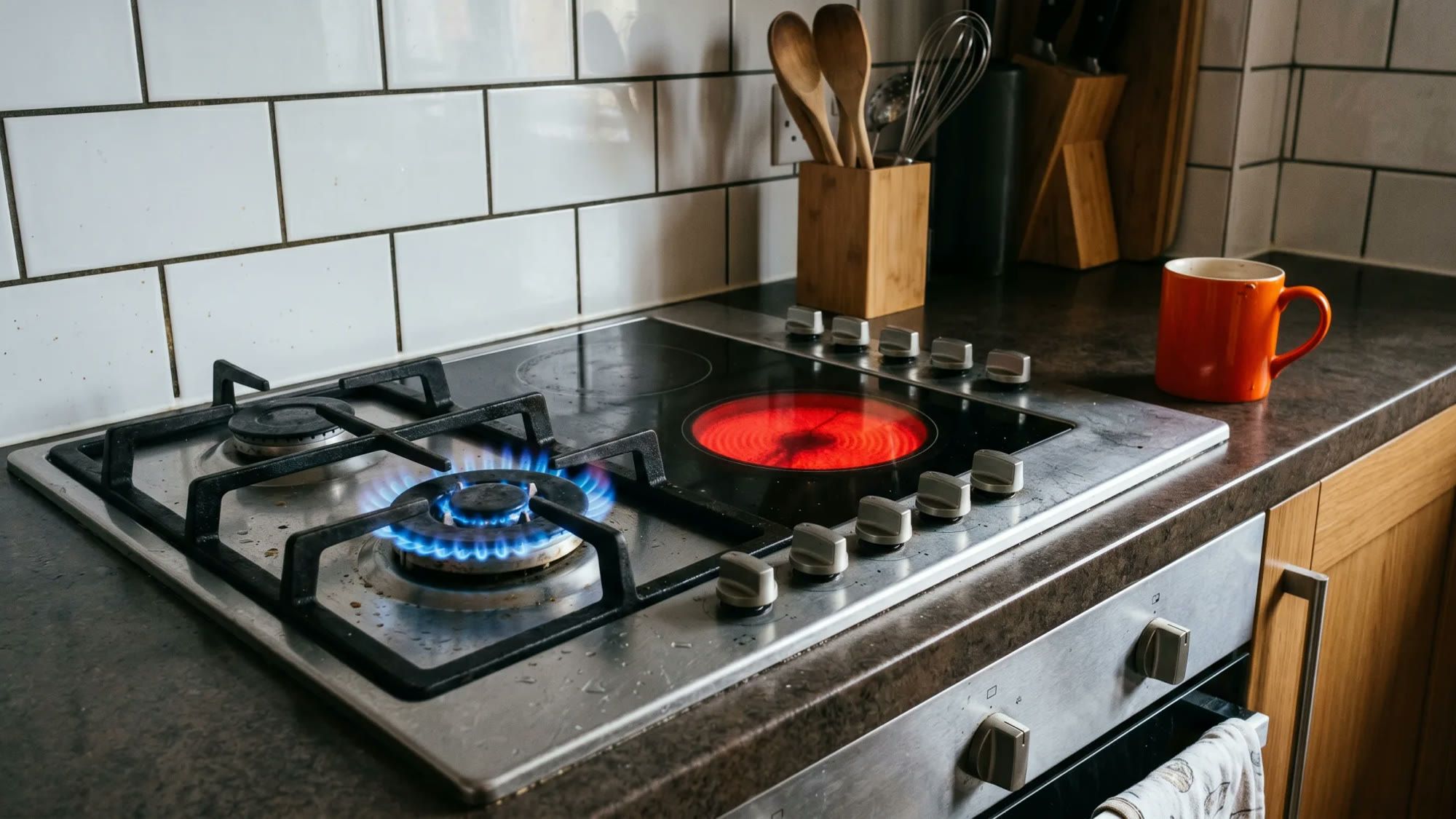
For UK households, the question of whether gas or electricity is cheaper is a constant balancing act, especially with fluctuating energy prices. As of 1 July 2026, the Ofgem energy price cap sets the typical electricity unit rate for Direct Debit customers at 26.11p per kilowatt-hour (kWh), while the gas unit rate stands at 7.33p per kWh. This significant difference per unit often leads to the assumption that gas is always the more economical choice. However, the overall cost to power your home depends on more than just unit rates; appliance efficiency, heating system type, and daily usage habits all play a crucial role.
Understanding the true costs of gas and electricity for various household needs is the first step towards making informed choices and optimising consumption. Fuse Energy aims to empower customers to take control of their energy budget by providing transparent data and active management tools. Click here to switch to Fuse Energy today and start making smarter energy choices.
Enter your address to get a quote and see how much you could save
Gas vs electricity: understanding the unit rates
The foundation of your energy bill lies in the unit rates charged for gas and electricity, alongside fixed daily standing charges. These figures are heavily influenced by the energy price cap set by the regulator, Ofgem.
Current Ofgem Price Cap rates
From 1 July 2026, the Ofgem energy price cap has set specific maximum rates for energy suppliers. For Direct Debit customers, the typical electricity unit rate is 26.11p per kWh. The gas unit rate, by comparison, is 7.33p per kWh. These rates apply across England, Scotland, and Wales and include VAT at 5%.
To put these unit rates into perspective, the average UK home uses around 2,500 kWh of electricity and 9,500 kWh of gas per year. These figures are based on Ofgem's Typical Domestic Consumption Values (TDCVs), which were updated from 1 July 2026 to reflect changes in household energy use. For a deeper dive into how these rates are set, you might find our article on the energy price cap explained helpful.
Standing charges explained
Beyond the unit rate for each kWh consumed, your energy bill includes a standing charge. This is a fixed daily fee that you pay regardless of how much gas or electricity you use. Standing charges cover various fixed costs for energy suppliers, such as maintaining the energy networks (the wires and pipes that deliver energy to your home), supporting government environmental and social schemes, and operational costs like meter readings and billing.
For the period from 1 July to 30 September 2026, the average daily standing charge for electricity is 57.19p, and for gas, it is 29.04p. These charges can vary slightly depending on your region, payment method, and meter type. Ofgem is currently exploring options for low or no standing charge tariffs, following consumer feedback and pilot schemes.
Why unit rates differ
Gas is consistently cheaper per kWh than electricity in the UK, a trend that has held for many years. This difference stems from several factors, including the costs associated with generating electricity, which often involves burning gas, and the extensive infrastructure required for electricity transmission and distribution. Wholesale gas prices, in particular, have a significant impact on the overall energy price cap, as seen in recent increases driven by global market volatility.
Heating your home: gas vs electric costs
Heating is typically the largest energy expense for most UK households. Choosing between gas and electric heating systems involves weighing unit costs against efficiency.
Gas central heating efficiency
Traditional gas central heating systems, primarily gas boilers, are common in UK homes. Modern condensing gas boilers typically operate at 90-95% efficiency, meaning that for every unit of gas consumed, 90-95% is converted into usable heat. However, real-world performance or seasonal efficiencies can range from 80-88%. Older boilers, particularly those installed before 2007, can be significantly less efficient, sometimes below 70%. If you already have a modern gas boiler, gas heating may still be a cost-effective option due to the lower unit rate of gas.
Electric heating systems: heaters and heat pumps
Direct electric heating, such as electric radiators or storage heaters, converts almost 100% of the electricity into heat at the point of use. However, because electricity is significantly more expensive per kWh than gas, running these systems can be costly.
A more efficient electric heating solution is an air source heat pump. These systems don't generate heat by burning fuel; instead, they extract heat from the outside air and transfer it into your home. This process makes them remarkably efficient, often achieving efficiencies of 300% or more. This means they can produce three or more units of heat for every unit of electricity consumed, far surpassing that of gas boilers. While the electricity unit rate is higher, the sheer efficiency of heat pumps can lead to significant long-term savings, especially when paired with good home insulation. For more information on the costs involved, see our article on air source heat pump cost.
How efficient are air source heat pumps?
Air source heat pumps are highly efficient, typically achieving 300% or more efficiency. This means they can produce three or more units of heat for every unit of electricity they consume, by extracting warmth from the ambient air. This makes them significantly more efficient than modern gas boilers, which usually operate at 80-95% efficiency.
Is electric underfloor heating cheaper than gas?
Electric underfloor heating can provide a comfortable, even heat. However, like other forms of direct electric heating, its running costs are directly tied to the higher electricity unit rate. While it can be efficient in terms of heat distribution and response time, it is generally more expensive to run than gas underfloor heating, especially in poorly insulated homes. The overall cost-effectiveness depends heavily on how well your home is insulated and how often the system is used.
Running household appliances: a cost comparison
Beyond heating, the energy consumption of your daily appliances contributes significantly to your overall bill.
Cooking: gas cookers, ovens, and hobs
Cooking with gas is generally cheaper per use than electric hobs or ovens, primarily because of the lower unit rate of gas. For a typical UK family of four, monthly cooking costs might be around £35-40 for gas.
However, electric cooking appliances, particularly induction hobs, offer superior energy efficiency. Induction hobs transfer up to 90% of their energy directly into the cookware, resulting in faster cooking times and less wasted heat compared to gas hobs, which are typically about 40-55% efficient. Despite this efficiency, the higher electricity unit rate means that induction hobs on a standard tariff can still cost slightly more to run day-to-day, with typical monthly costs around £38-42.
Hot water: boilers vs electric showers
For hot water, gas boilers are typically more economical due to the lower unit cost of gas. Electric immersion heaters and electric showers, while convenient, use electricity directly and can be expensive to run frequently. An electric shower, for instance, heats water on demand, but its high power consumption means that a long shower can quickly add to your electricity bill.
Other appliances: the hidden costs
Many other household appliances contribute to your energy bill. While individual items like kettles, toasters, and televisions might seem insignificant, their cumulative usage can add up. Appliances with heating elements, such as tumble dryers and dishwashers, tend to be the biggest electricity consumers after heating and hot water. Understanding the wattage of your appliances and how long you use them can help identify areas for potential savings.
Key factors influencing your energy bill
Your energy bill is a complex calculation influenced by several interconnected factors, not just the unit price of gas or electricity.
Appliance efficiency and age
Older appliances are often less energy-efficient than newer models. An old fridge-freezer, for example, could be consuming significantly more electricity than a modern, A-rated equivalent. Investing in energy-efficient appliances, while an upfront cost, can lead to substantial long-term savings on your energy bills.
Home insulation and property size
The size of your property and its level of insulation are critical determinants of energy consumption, particularly for heating. A large, poorly insulated home will require far more energy to heat than a smaller, well-insulated one, regardless of whether it uses gas or electricity. Improving insulation through measures like loft insulation, cavity wall insulation, and double glazing can drastically reduce heat loss and, consequently, your heating bills.
Your energy usage habits
How you use energy in your home has a direct impact on your bill. Simple changes in behaviour, such as turning off lights in empty rooms, unplugging devices when not in use, and adjusting thermostat settings, can lead to noticeable savings. Understanding peak and off-peak usage patterns, especially if you're on a multi-rate electricity tariff, can also help you use energy more strategically.
Making informed choices to reduce your bills
Managing your energy costs effectively requires a proactive approach, combining smart tools, efficiency upgrades, and regular tariff comparisons.
Monitoring usage with smart tools
Real-time data is a powerful tool for managing energy consumption. Fuse empowers customers to track both gas and electricity usage in real-time via its app, providing the data needed to make informed cost comparisons and optimise consumption. By seeing exactly how much energy you're using and when, you can identify patterns, pinpoint energy-hungry appliances, and adjust your habits to reduce waste. Pairing this with a smart meter installation can give you even greater insight.
Improving home energy efficiency
Investing in energy efficiency upgrades is one of the most effective ways to lower your long-term energy costs. This could range from simple draught-proofing and LED lighting upgrades to more significant investments like improved insulation, a new efficient boiler, or an air source heat pump. Many of these improvements not only reduce your bills but also make your home more comfortable.
Comparing tariffs and suppliers
The energy market is dynamic, with prices and tariffs changing regularly. Regularly comparing energy tariffs for both gas and electricity is crucial to ensure you're on the best deal for your household's needs. While the Ofgem Price Cap sets a maximum, suppliers may offer competitive tariffs that can help you save money. Consider switching suppliers if a better deal is available, but always check the terms and conditions, including any exit fees.
The future of UK home energy
The landscape of UK home energy is evolving, with a clear shift towards cleaner and more sustainable options.
The shift towards electrification
The UK government is actively promoting the transition to cleaner energy, including incentives for electric heating solutions like heat pumps. This push towards electrification aims to reduce reliance on fossil fuels and decarbonise domestic heating. While gas remains cheaper per unit today, the long-term trend suggests a move towards electric-based systems, supported by advancements in renewable energy generation and smart grid technologies.
Long-term cost trends
Predicting future energy prices is challenging due to geopolitical events, wholesale market volatility, and regulatory changes. However, the general direction points towards increased investment in renewable electricity generation and energy efficiency. As the grid becomes greener and more efficient, and as technologies like heat pumps become more widespread, the relative costs of gas and electricity may continue to shift. While gas is currently cheaper per kWh, the efficiency gains and environmental benefits of electric alternatives, particularly heat pumps, are becoming increasingly compelling for long-term planning.
Managing your home's energy should be straightforward and transparent. Fuse Energy offers clear pricing, real-time usage data through our app, and 24/7 human customer support to help you make sense of your energy consumption. We believe in empowering you to make informed decisions about your energy use, helping you to save money and contribute to a greener future. Click here to switch to Fuse Energy today and experience a modern approach to home energy. You can also learn more about our mission to transform the energy landscape here.
Disclaimer
For the avoidance of doubt, this article is provided for informational purposes only and is not intended to constitute legal or financial advice. The author and/or Fuse Energy shall not be responsible for any losses arising out of any reliance on the information contained herein.