Is electricity cheaper at night?
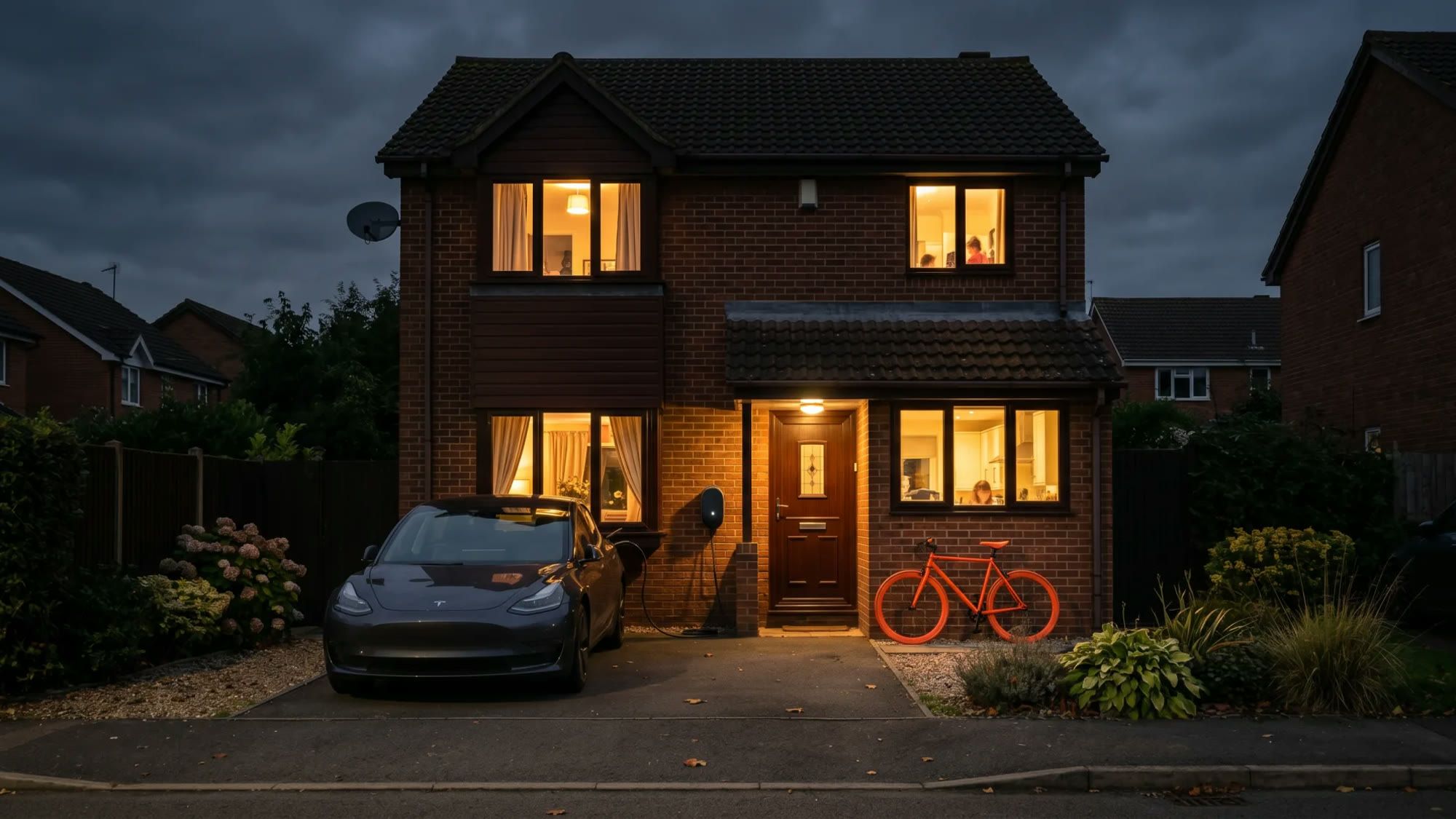
Yes, electricity can be significantly cheaper at night in the UK if you are on a specific type of energy tariff designed for off-peak usage. These tariffs, known as time-of-use tariffs, offer varying electricity rates throughout the day, with the cheapest periods typically occurring overnight when demand on the National Grid is lower. Shifting energy-intensive activities to these cheaper hours can lead to substantial savings on household electricity bills, provided you have the right meter and tariff in place.
Understanding your energy usage is key to managing your bills. Fuse Energy aims to make your energy transparent and engaging, helping you understand your consumption.
Enter your address to get a quote and see how much you could save
Understanding off-peak electricity in the UK
The concept of off-peak electricity is rooted in how the UK's National Grid operates. Electricity demand fluctuates throughout the day, peaking in the mornings and evenings when most people are awake and using appliances. During these peak times, the grid often needs to bring more expensive and sometimes less efficient power sources online to meet demand, which drives up wholesale electricity prices. Conversely, during off-peak hours, usually overnight, demand plummets, allowing cheaper generation sources to meet the need and leading to lower prices.
The National Grid and fluctuating demand
The National Grid is responsible for balancing electricity supply and demand across Great Britain. This balance is a constant act, influenced by everything from weather patterns to popular TV schedules. When demand is high, the grid operator must ensure enough electricity is generated to meet it, often by firing up more expensive power plants. When demand is low, particularly overnight, less generation is required, and the grid can rely on more consistent, cheaper sources. This dynamic directly impacts the wholesale price of electricity.
What are time-of-use tariffs?
Time-of-use (ToU) tariffs are energy plans that charge different rates for electricity at different times of the day. They are designed to encourage consumers to use electricity during off-peak periods when demand is lower and wholesale prices are cheaper. This helps to balance the grid and can reduce the need for expensive peak-time generation. To benefit from a ToU tariff, you typically need a smart meter or a multi-register meter that can record your usage at different times.
Why electricity is cheaper at night
The lower cost of electricity at night is not arbitrary; it is a direct reflection of the energy market's response to supply and demand dynamics, coupled with the increasing role of renewable energy sources.
Lower wholesale prices
Wholesale electricity prices are highly volatile and directly influenced by the immediate demand on the grid. During the night, industrial activity decreases, and most households are asleep, leading to a significant drop in overall electricity consumption. This reduced demand means that electricity generators can meet the remaining need with their most efficient and cheapest power sources, driving down the wholesale price. Energy suppliers then pass these savings on to consumers through off-peak tariffs.
Grid stability and renewable energy
A stable grid requires a consistent balance between the electricity generated and the electricity consumed. When demand is low at night, it can be easier to manage this balance. Furthermore, many renewable energy sources, such as wind farms, continue to generate electricity overnight, regardless of immediate demand. This consistent, often cheaper, renewable supply during low-demand periods contributes to the lower night-time electricity prices and helps to maintain grid stability.
Types of time-of-use tariffs
Several types of time-of-use tariffs are available in the UK, each with its own structure of peak and off-peak periods. These tariffs are designed to suit different lifestyles and energy consumption patterns.
Economy 7 and Economy 10
Economy 7 is a well-known dual-rate tariff that offers a cheaper electricity rate for seven hours during the night, typically between 11pm and 8am, though exact times can vary by region and supplier. Economy 10 extends this concept, providing ten hours of cheaper electricity, often split into periods during the night, afternoon, and evening. These tariffs are particularly beneficial for households with electric storage heaters or those who can shift a significant portion of their electricity usage to off-peak hours.
Dual-rate variable and fixed tariffs
Beyond the traditional Economy 7 and 10, many suppliers now offer modern dual-rate tariffs. These can be either variable, meaning the rates can change quarterly, or fixed, where the rates are locked in for a set contract term. These tariffs provide peak and off-peak rates, allowing customers to benefit from cheaper night-time electricity. They require either a smart meter or a multi-register (dual-rate) dumb meter to track usage accurately across different periods.
Electric vehicle tariffs
With the rise of electric vehicles (EVs), specialised EV tariffs have emerged. These are typically dual-rate tariffs designed to offer very low electricity rates during specific overnight hours, encouraging EV owners to charge their vehicles when demand on the grid is lowest. While the legacy EV tariff product has been withdrawn from sale from 1 July 2026, suppliers continue to offer tariffs that are well-suited for EV charging.
Benefits and considerations for off-peak usage
Switching to an off-peak tariff can offer significant financial benefits, but it also requires some adjustments to your energy habits.
Potential for significant savings
Off-peak electricity rates can be substantially lower than peak rates, often less than half the standard unit rate. For example, the Ofgem Price Cap for electricity for a Direct Debit household from 1 July to 30 September 2026 is 26.11p per kWh (inclusive of 5% VAT). Off-peak rates on a time-of-use tariff could be considerably lower than this. By shifting high-consumption activities, such as running washing machines, dishwashers, or charging EVs, to these cheaper periods, households can see a noticeable reduction in their overall electricity bills. The average UK home uses around 2,500 kWh of electricity per year, so even small changes in usage patterns can lead to savings.
Lifestyle adjustments and appliance usage
To maximise savings, you need to actively shift your energy-intensive activities to off-peak hours. This might mean running appliances like washing machines and dishwashers overnight or setting timers for electric heating. While this requires some planning, modern smart appliances and smart home systems can automate much of this process, making it easier to adapt.
Meter requirements: smart meters and multi-register meters
A crucial requirement for accessing and benefiting from dual-rate tariffs is having the right meter. You will need either a smart meter or a multi-register (dual-rate) dumb meter. These meters are capable of recording your electricity consumption at different times of the day, allowing your supplier to bill you accurately based on your peak and off-peak usage. Without such a meter, you cannot be on a time-of-use tariff.
Getting started with cheaper night-time electricity
Making the switch to cheaper night-time electricity involves a few practical steps, from checking your current setup to choosing the right tariff.
Checking your current meter type
Before considering a dual-rate tariff, check your current electricity meter. If you have an older, single-rate meter, it won't be able to differentiate between peak and off-peak usage. Smart meters, on the other hand, are designed for this purpose and provide detailed usage data. You can usually identify your meter type by looking at the meter itself or contacting your energy supplier.
Upgrading to a smart meter
If you don't have a smart meter, your current energy supplier can arrange for a free upgrade. Smart meters offer numerous benefits beyond enabling time-of-use tariffs, including accurate billing, real-time usage data, and the ability to switch suppliers more easily. The installation process is typically straightforward and carried out by a qualified engineer.
Switching to a dual-rate tariff
Once you have a compatible meter, you can compare dual-rate tariffs from various energy suppliers. Look for tariffs that align with your household's energy consumption patterns and offer competitive off-peak rates. Consider the peak and off-peak hours, as well as any standing charges, to ensure the tariff genuinely offers savings for your lifestyle.
Navigating legacy RTS meters
Some older properties may still have a Radio Teleswitch Service (RTS) meter, which uses a radio signal to switch between peak and off-peak rates. The industry-wide phase-out of RTS meters began on 30 June 2025, meaning these legacy meters are being replaced with smart meters. If you have an RTS meter, your current supplier is responsible for replacing it with a smart meter, usually at no cost to you. This upgrade is essential to avoid disruption to your heating and hot water supply as the RTS signal is eventually switched off.
How Fuse Energy helps you save
Fuse Energy empowers customers to take control of their energy usage and benefit from cheaper night-time electricity.
Transparent dual-rate tariffs
Fuse Energy offers transparent dual-rate tariffs that allow you to take advantage of lower electricity prices during off-peak hours. These tariffs are designed to give you the flexibility to use more energy when it is cheaper, aligning with our vision of a future with power to play with.
The Fuse app: monitor and optimise
The Fuse app provides real-time usage data, enabling you to monitor your consumption patterns and make informed decisions. This capability allows you to actively shift your energy-intensive activities to cheaper periods, thereby optimising your energy strategy and turning off-peak opportunities into tangible savings.
24/7 human customer support
Understanding new tariffs or optimising your energy usage can sometimes be complex. Fuse Energy offers 24/7 human customer support to assist with any questions you may have about your tariffs, smart meter functionality, and how to best optimise your energy usage. This ensures you always have help when you need it, making your energy journey smoother and more rewarding.
Disclaimer
For the avoidance of doubt, this article is provided for informational purposes only and is not intended to constitute legal or financial advice. The author and/or Fuse Energy shall not be responsible for any losses arising out of any reliance on the information contained herein.