Invest in green energy for your UK home
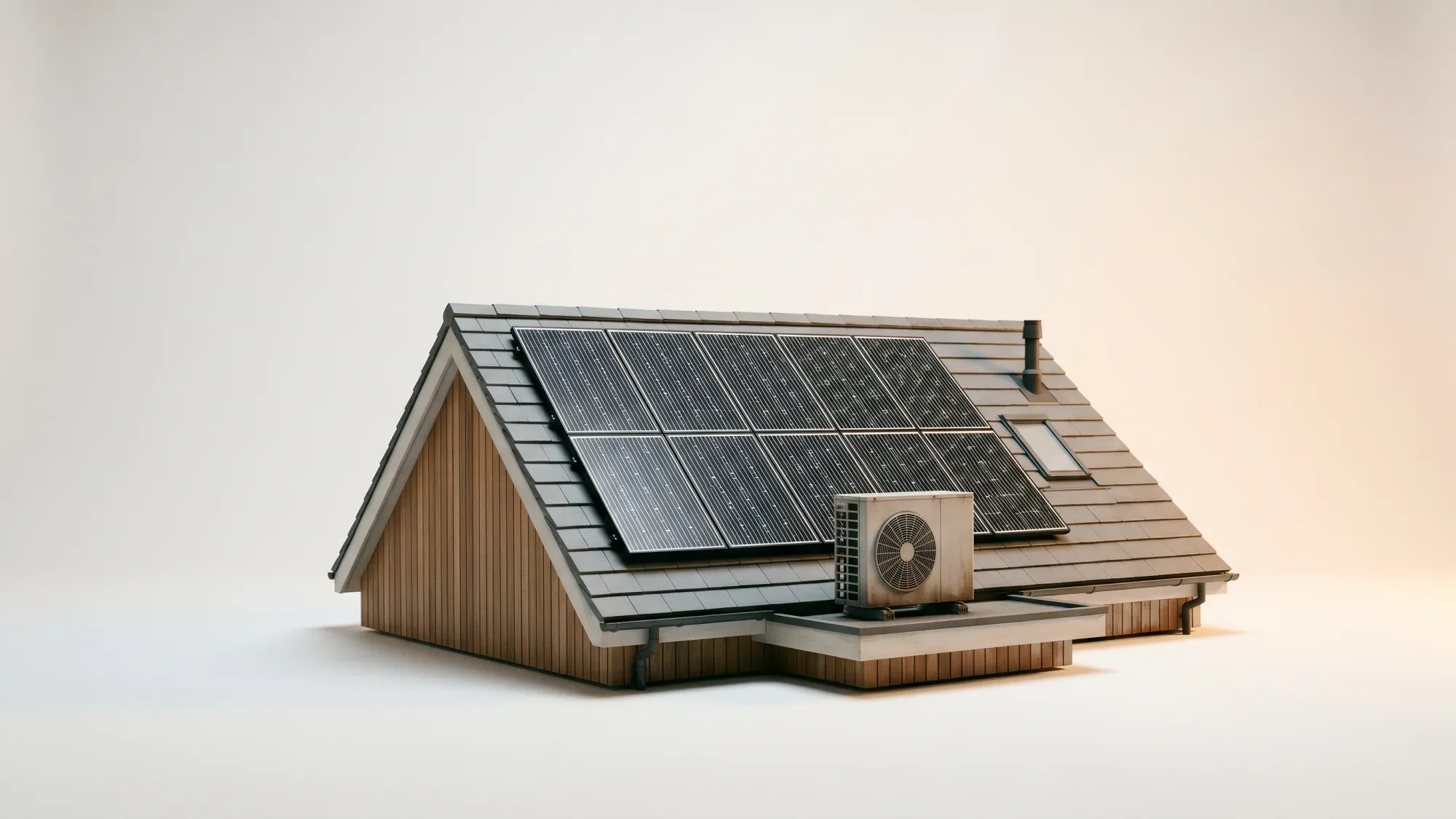
Investing in green energy for your home offers UK homeowners a practical path to long-term savings, greater energy independence, and a reduced environmental footprint. This guide focuses on tangible home upgrades like solar panels, battery storage, and EV chargers, moving beyond financial market investments to provide actionable advice for your property.
Thinking about Invest in green energy for your UK home? With Fuse Energy, you get clear pricing, real-time usage data, 24/7 human customer support, and a modern energy experience designed around you. Signing up takes just a few minutes, so you can take control of your bills from day one. Click here to switch to Fuse Energy today and start saving.
Enter your address to get a quote and see how much you could save
Understanding home green energy investment
For many UK homeowners, the idea of "investing in green energy" often conjures images of stocks and funds. However, a more direct and impactful approach lies in upgrading your own home's energy infrastructure. This means installing technologies that generate, store, or efficiently use renewable energy right where you live.
Why invest in green energy for your home?
The primary motivations for homeowners to invest in green energy are clear: significant long-term financial savings, enhanced energy independence, and a positive environmental impact. By generating your own electricity, you can reduce reliance on grid supply and protect yourself from fluctuating energy prices. The average UK home uses around 2,500 kWh of electricity per year, and with the Ofgem price-cap default tariff at 26.11p per kWh for 1 July to 30 September 2026, self-generated power directly offsets substantial costs. Beyond the financial benefits, contributing to a cleaner energy system and gaining greater control over your energy consumption are powerful incentives.
Beyond financial markets: home-based solutions
Unlike investing in green energy stocks or funds, which are financial market instruments, home-based green energy solutions provide direct, tangible benefits. These are physical installations on your property that actively reduce your energy bills and carbon emissions. This guide will help you navigate these practical options, from generating your own power with solar to storing it for later use and efficiently charging an electric vehicle.
Viable green energy options for UK homes
Several green energy technologies are readily available for UK homes, each offering distinct advantages.
Solar panels: generating your own electricity
Rooftop solar panels convert sunlight into electricity, allowing you to generate a portion, or even all, of your home's power needs. This reduces your reliance on grid electricity and can significantly lower your energy bills. While traditional rooftop installations require professional fitting, the concept of generating your own power remains a cornerstone of home green energy.
Home battery storage: maximising self-consumption
Home battery storage systems work in conjunction with solar panels, storing excess electricity generated during the day for use in the evening or at night. This maximises your self-consumption of renewable energy, further reducing the amount you need to import from the grid. Batteries can also be charged during off-peak hours when electricity is cheaper, and then discharged during peak times, offering additional savings.
EV chargers: powering sustainable transport
With the rise of electric vehicles, installing an EV charger at home has become a key green energy investment. A dedicated home charger offers convenience and ensures your vehicle is always ready. The UK government offers grants to support the installation of EV chargepoints for specific eligibility groups. For instance, the OZEV EV Chargepoint Grant for renters and flat owners offers up to £500 towards installation costs, provided they have private off-street parking. This grant is also available for households with on-street parking who are installing a cross-pavement solution. However, it's important to note that a generic OZEV grant is not available for all homeowners; eligibility criteria apply.
Plug-in solar: an accessible entry point
Plug-in solar kits offer a simpler, more accessible way to start generating your own electricity. These small solar panel and inverter systems plug directly into a standard wall socket, requiring no complex wiring or professional installation. This makes them ideal for renters or those with limited space, such as balconies or small gardens.
What is a compliant plug-in solar kit?
A compliant plug-in solar kit is a small solar panel and inverter system that plugs into a standard wall socket. Since 27 August 2026, SI 2026/848 has legalised these devices in the UK, provided they meet the Interim Product Specification. They have an 800W AC export limit per device and require notification to the Distribution Network Operator (DNO) within 28 days of installation.
The legal landscape for plug-in solar in the UK changed on 27 August 2026, with SI 2026/848 legalising compliant plug-in solar systems. These systems have an 800W AC export limit per device and can be self-installed. While plug-in solar offers an easy entry point, it's crucial to understand that plug-in batteries or hybrid solar-battery kits are not covered by this legislation. Additionally, the DNO must be notified under G98 within 28 days of installing microgeneration equipment like plug-in solar, a task that can be completed by either the homeowner or their supplier.
Costs, savings, and financial support
Understanding the financial aspects is key to making an informed decision about home green energy investments.
Estimating installation costs
The cost of installing green energy solutions varies widely depending on the technology, system size, and property specifics. Solar panel installations, for example, depend on the number of panels and roof complexity. Home battery storage costs are influenced by capacity. While plug-in solar kits have a lower upfront cost due to their DIY nature, larger systems require professional installation. It's always advisable to obtain multiple quotes from trusted providers to get an accurate estimate for your specific needs.
Long-term savings and return on investment
The long-term financial benefits of home green energy can be substantial. By generating your own electricity, you directly offset your consumption from the grid. With the average UK home consuming around 2,500 kWh of electricity annually, and the unit rate at 26.11p per kWh under the current price cap, reducing your grid reliance translates into tangible savings. These savings accumulate over the lifespan of the system, often leading to a positive return on investment. Furthermore, increased energy independence can shield you from future energy price rises.
Government grants and incentives
The UK government offers various grants and incentives to encourage the adoption of green energy technologies. While these can change, current support includes the OZEV EV Chargepoint Grant, which provides up to £500 towards the cost of installing an EV chargepoint for eligible renters, flat owners, and those with on-street parking. It's important to check the specific eligibility criteria for any grant, as not all homeowners will qualify. These grants can significantly reduce the upfront cost of your green energy investment, making it more accessible.
Choosing the right green energy provider
Selecting a reliable provider is crucial for a successful green energy installation.
Key considerations for homeowners
When choosing a green energy provider, look for companies with a strong track record, transparent pricing, and comprehensive support. Consider their experience with the specific technologies you're interested in, their customer service reputation, and their accreditation. A provider that offers clear, actionable information and guidance throughout the process can make a significant difference.
Installation and ongoing support
A good provider will offer professional installation services, ensuring your system is set up safely and efficiently. Equally important is ongoing support and maintenance. This includes assistance with any technical issues, help with monitoring your system's performance, and guidance on maximising your energy savings. For instance, providers like Fuse offer 24/7 customer support and app-based tools that give homeowners greater control and transparency over their energy usage.
Making your green energy investment a reality
Taking the step to invest in home green energy is a decision that empowers you with greater control over your energy future.
Next steps for UK homeowners
- Assess your needs: Evaluate your current energy consumption and property's suitability for different green energy installations.
- Research options: Explore solar panels, battery storage, EV chargers, and plug-in solar to determine which best fits your lifestyle and budget.
- Understand costs and savings: Get detailed quotes and calculate potential long-term savings, factoring in any available government grants.
- Choose a trusted provider: Select a company that offers reliable products, professional installation, and ongoing support.
- Monitor and optimise: Once installed, use monitoring tools to track your energy generation and consumption, ensuring you maximise your savings and environmental impact.
By following these steps, UK homeowners can confidently invest in home green energy, moving towards a more sustainable and independent energy future.
Disclaimer
For the avoidance of doubt, this article is provided for informational purposes only and is not intended to constitute legal or financial advice. The author and/or Fuse Energy shall not be responsible for any losses arising out of any reliance on the information contained herein.