In-Home display: your energy insights
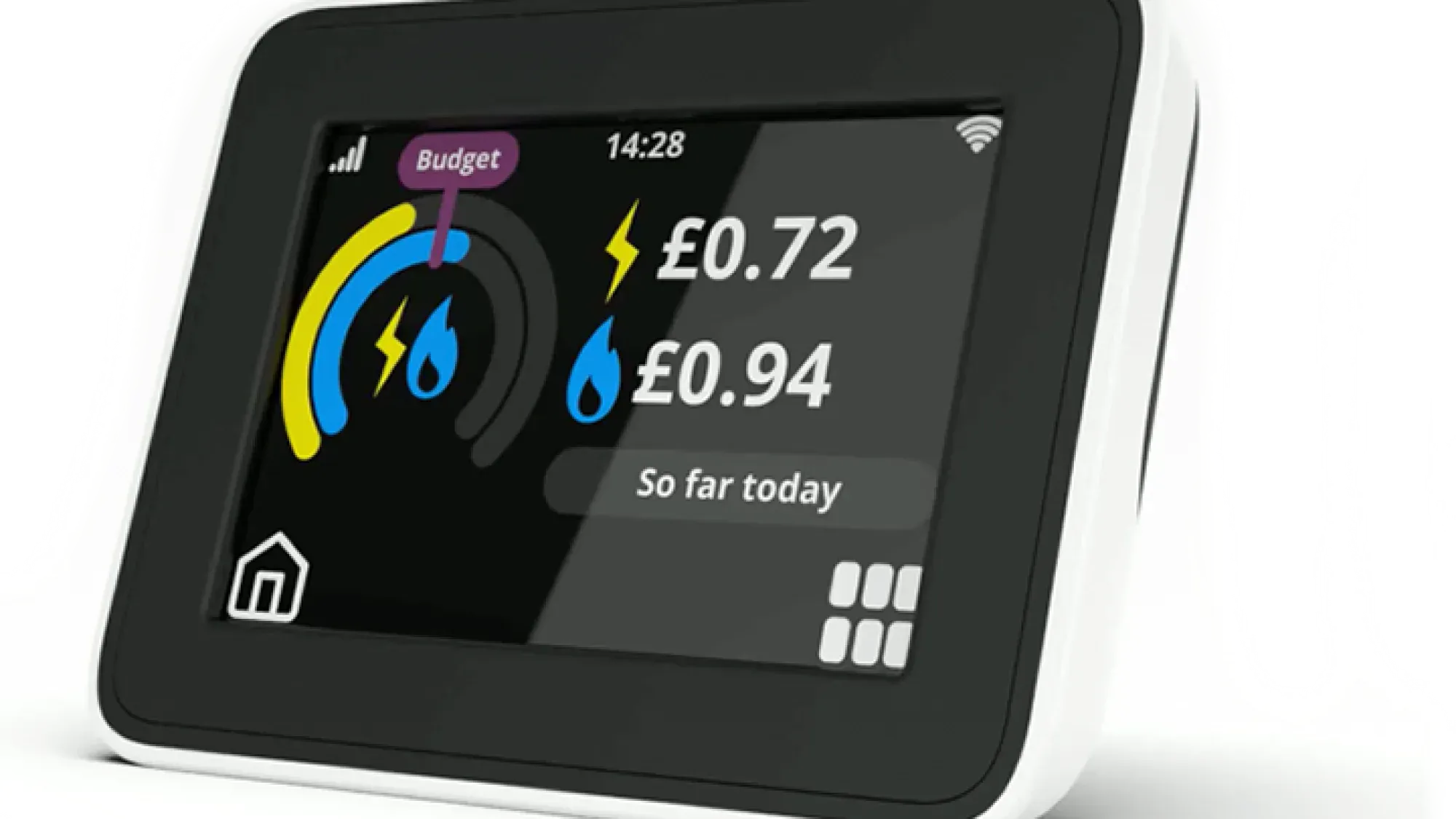
An In-Home Display (IHD) is a portable device that connects wirelessly to your smart meter, providing up-to-date information about your home's energy consumption and its estimated cost. It offers near real-time insights into your electricity and gas usage, helping you manage your energy spend more effectively. Energy suppliers are required to offer an IHD at no additional cost when installing a smart meter.
Understanding your energy usage with an IHD is a great start. For even deeper insights and control over your home's energy, consider switching to Fuse Energy. You can sign up quickly and easily here.
Enter your address to get a quote and see how much you could save
What is an In-Home Display (IHD)?
An IHD acts as a window into your energy use, making the invisible flow of electricity and gas visible and understandable. It's a key tool in empowering you to take control of your energy consumption, moving beyond a "use less" mindset to "use smarter".
Making energy visible
Your IHD brings your energy consumption out of the meter cupboard and into your home. It provides a dynamic view of how much electricity and gas you are using, and what that usage is estimated to cost. This constant feedback loop allows you to see the indicative impact of your actions, such as turning off lights or adjusting heating, in near real-time.
How an IHD connects to your smart meter
Your IHD communicates wirelessly with your smart meter, typically using a secure, low-power radio signal like Zigbee. This connection allows it to receive readings directly from your electricity and gas meters. Smart meters send readings automatically, making manual readings unnecessary for online smart meters. This means your IHD provides up-to-date data to show you, though readings may differ slightly from your app or bill due to timing and refresh frequency. The device is typically powered by mains electricity but often includes a battery backup, allowing you to move it around your home for short periods.
Key benefits of using an IHD
An IHD puts the power of information directly into your hands, enabling you to make more informed decisions about your energy use.
Near real-time energy insights
A significant benefit of an IHD is the near real-time, indicative feedback it provides. You can see your energy consumption fluctuating as you switch appliances on and off, or as your heating system kicks in. This instant visibility can highlight energy-hungry devices or habits you might not have been aware of, helping you pinpoint areas where you could be more efficient.
Empowering smarter energy choices
With clear data on hand, an IHD empowers you to make smarter choices about how and when you use energy. Instead of simply trying to "use less", you can focus on "using smarter" - optimising your consumption to fit your lifestyle while reducing waste. This could involve shifting laundry to off-peak hours (if you are on a time-of-use tariff) or simply being more mindful of leaving lights on.
Budget awareness and cost management
IHDs display energy usage in kilowatt-hours (kWh) and estimated cost. This feature can be a valuable guide for budget awareness. By seeing the estimated cost of your energy use as it happens, you can gain an indicative understanding of how your daily activities translate into your energy bill, helping you to manage your usage more mindfully. However, it is important to remember that IHD data is indicative only, and billing always relies on meter data.
Understanding your IHD data
Making the most of your IHD means knowing how to interpret the information it presents.
Electricity and gas usage in kWh
Your IHD will typically show your electricity and gas consumption in kilowatt-hours (kWh). A kWh is a standard unit of energy, representing the amount of energy used by one kilowatt of power for one hour. For example, a 1,000-watt appliance running for one hour consumes 1 kWh of energy. Understanding this unit helps you compare the energy efficiency of different appliances and track your overall usage.
Estimated costs and historical data
Beyond current usage, many IHDs also provide estimated costs for the day, week, or month, based on your tariff. Some IHDs may also offer historical data, allowing you to compare your current usage against previous periods. This historical view can help you identify trends and measure the impact of any energy-saving changes you have made.
Interpreting usage patterns
Look for patterns in your IHD data. Do you see spikes at certain times of the day? These could correspond to meal preparation, heating cycles, or charging electric vehicles. By identifying these peak usage times, you can consider adjusting your habits or investing in more energy-efficient alternatives. For instance, a consistently high baseline usage might indicate appliances left on standby.
Common IHD issues and troubleshooting
While IHDs are generally reliable, you might occasionally encounter issues. Here's how to approach common problems.
Connectivity problems
If your IHD isn't displaying data or shows a "no signal" message, it might have lost connection with your smart meter. Try moving the IHD closer to your smart meter, ideally within 10-15 metres. Ensure there are no large metallic objects or thick walls directly between the IHD and the meter that could be blocking the signal. As with many electronic devices, sometimes simply restarting the IHD (if it has a power button) can re-establish the connection. If the issue persists, your energy supplier may be able to remotely reset the communications hub.
Blank screen or no display
A blank screen can indicate a power issue. Check if the IHD is properly plugged into the mains electricity. If it runs on batteries, ensure they are charged or replaced if necessary. If the screen remains blank after checking the power, the device may have a fault.
Inaccurate readings
If you suspect your IHD is showing inaccurate readings, compare its display with a recent bill or a manual reading from your smart meter (if accessible). Bear in mind that IHDs provide estimated costs based on your tariff, and there might be slight discrepancies with your final bill due to rounding or specific tariff structures. If there's a significant, persistent difference, or if the IHD seems to be stuck on a particular reading, it could indicate a problem with the device or its connection.
Getting and maximising your IHD
An IHD is a valuable tool, and knowing how to get one and what to do if it's not working is key to making the most of it.
Initial provision with a smart meter
When you have a smart meter installed, your energy supplier is required to offer you an IHD at no additional cost. This is typically provided at the time of installation. If you didn't receive one, or if you have moved into a property with a smart meter but no IHD, you can contact your energy supplier to enquire about potential options, though availability and delivery are not guaranteed. Suppliers are generally obligated to maintain IHD equipment for 12 months after installation.
When to contact your energy supplier
If you have tried basic troubleshooting steps and your IHD is still not working correctly, or if you believe it is providing consistently inaccurate readings, your next step is to contact your energy supplier. They can offer further support, diagnose the issue, and advise on potential solutions. Some suppliers have voluntary principles in place to support customers needing a replacement IHD beyond the initial 12-month obligation period.
Beyond the IHD: deeper insights with the Fuse app
While an IHD offers a great entry point to understanding your energy use, the Fuse app provides even deeper insights and control. The app offers a digital-first experience, allowing you to track your consumption, manage your account, and access more advanced features to optimise your energy usage. It complements your IHD by giving you a more comprehensive view and greater capability to manage your home energy, aligning with Fuse's vision of 'power to play with'.
Managing your home energy should be clear and easy. Fuse Energy focuses on straightforward pricing and provides real-time usage data through our app, helping you understand and control your energy consumption. Our 24/7 human support team is always on hand to help. Click here to switch to Fuse Energy today and experience a smarter way to manage your home's energy. You can also learn more about our mission to make energy abundant by clicking here.
Disclaimer
For the avoidance of doubt, this article is provided for informational purposes only and is not intended to constitute legal or financial advice. The author and/or Fuse Energy shall not be responsible for any losses arising out of any reliance on the information contained herein.