How to reduce your electricity bill
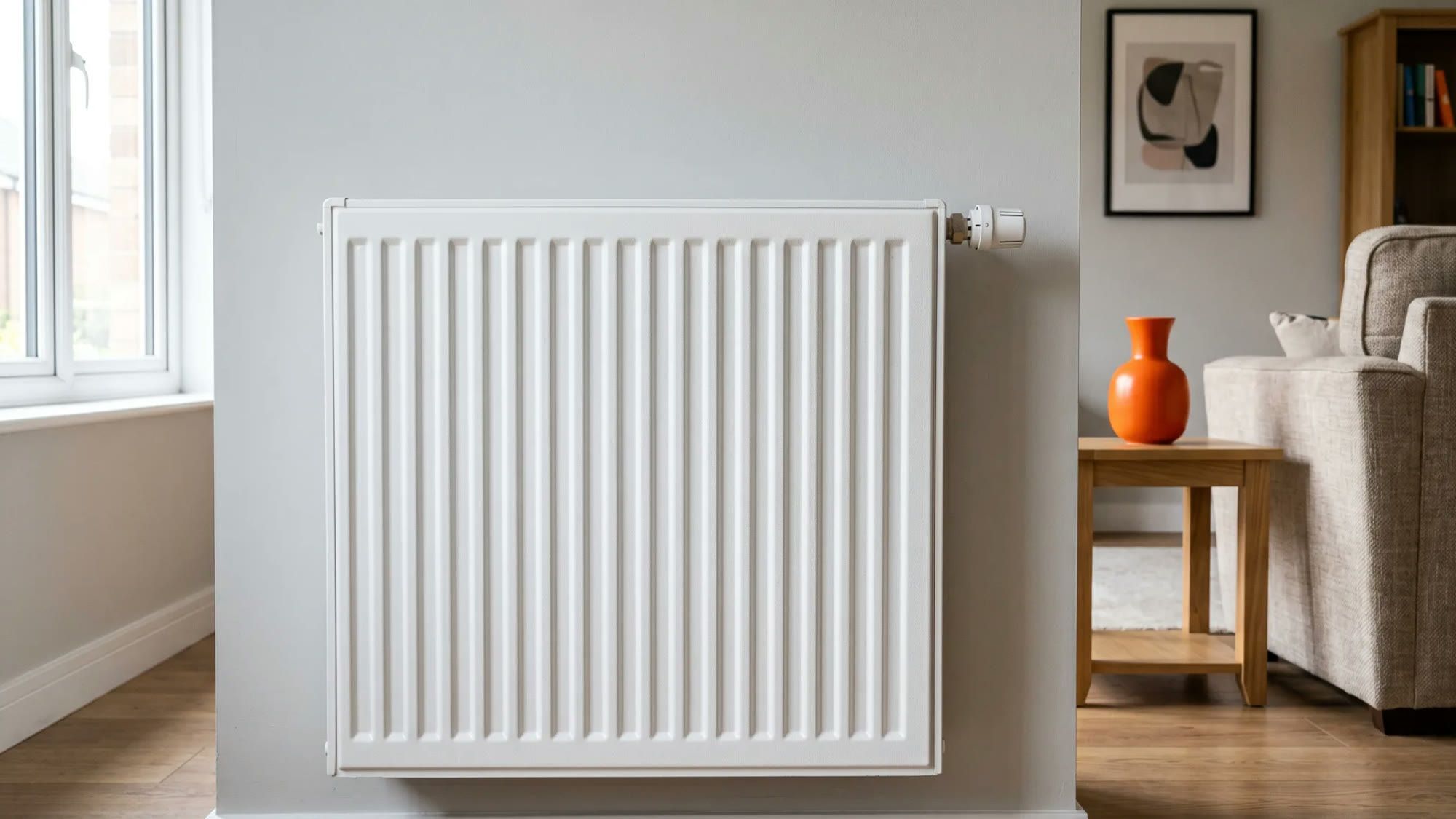
Reducing your electricity bill involves understanding your energy use and making informed choices to optimise your home's consumption. This guide provides practical strategies to help you manage and ultimately lower your electricity costs.
To help you reduce your electricity bill and gain more control over your energy usage, Fuse Energy offers enhanced visibility through the Fuse app's detailed data, smart technology integration, and management tools. Click here to get started.
Enter your address to get a quote and see how much you could save
Understanding your electricity bill
To effectively reduce your electricity bill, it is crucial to understand how it is calculated and what factors contribute to the total cost.
Breaking down unit rates and standing charges
Your electricity bill consists mainly of two parts: the unit rate and the standing charge. The unit rate is the cost per kilowatt-hour (kWh) of electricity you use, while the standing charge is a fixed daily fee that covers the cost of supplying electricity to your home, regardless of how much you consume. Domestic energy bills in Great Britain include 5% VAT on both unit rates and standing charges. These charges are set by your energy supplier and are subject to regulatory caps set by Ofgem.
How your usage impacts costs
The more electricity you use, the higher your bill will be, as each kWh consumed adds to your total cost. The average UK home uses around 2,500 kWh of electricity per year, which translates to roughly 6.8 kWh per day1. Understanding this baseline helps you gauge your own consumption. Factors like the number of occupants, the age and efficiency of your appliances, and your daily habits all influence your overall usage.
Immediate ways to reduce electricity bill
Small, immediate changes can significantly impact your electricity bill without requiring major investments.
Tackling standby power and phantom load
Many appliances continue to draw power even when turned off but still plugged in, a phenomenon known as standby power or phantom load. This hidden demand can account for up to 10% of an average household's electricity bill. Some studies suggest it could be as high as 23% or even 30%. Unplugging devices like TVs, game consoles, and phone chargers when not in use, or using smart plugs and power strips, can eliminate this wasted energy.
Optimising lighting and heating
Switching to LED light bulbs is a simple yet effective way to reduce electricity consumption, as they use significantly less energy than traditional incandescent or halogen bulbs. For heating, ensure your thermostat is set to a comfortable yet efficient temperature, typically between 18°C and 21°C. Using draught excluders and ensuring windows and doors are properly sealed can also prevent heat loss, reducing the need for continuous heating.
Efficient appliance usage
Appliances like washing machines, dishwashers, and tumble dryers are among the most energy-intensive in a typical home, accounting for about 14% of an energy bill. Running these appliances only when full, and opting for lower temperature cycles, can reduce their electricity consumption. Fridges and freezers, which run continuously, account for around 13% of the average household's energy bill. Ensure they are not overfilled, their seals are intact, and they are defrosted regularly to maintain efficiency.
Smart technology and long-term savings
Embracing smart technology offers greater control and long-term savings by providing detailed insights into your energy consumption.
The role of smart meters in reducing bills
Smart meters provide detailed, half-hourly consumption data, enabling more accurate billing and insights into your energy usage patterns. This granular data helps you identify when and how you use the most electricity, empowering you to make informed decisions to reduce your bill. They also significantly reduce the need for estimated bills, providing more accurate billing by reducing reliance on estimates.
Leveraging the Fuse app for insights and control
The Fuse app provides detailed, real-time energy usage data, empowering householders to understand and control their electricity consumption more effectively. Its intuitive interface and smart meter integration offer unparalleled transparency into electricity usage, helping users make informed decisions to reduce bills. This allows you to identify energy-hungry appliances and adjust your habits for optimal savings.
How does a smart meter help reduce electricity bill?
A smart meter provides detailed, half-hourly data on your electricity consumption, allowing for accurate billing and insights into your usage patterns. This transparency helps you identify energy waste and make informed adjustments to reduce your overall electricity bill.
Considering energy-efficient upgrades
Investing in energy-efficient upgrades can lead to substantial long-term savings. This includes upgrading to A-rated appliances, improving home insulation, or even installing solar panels. While these may require an initial outlay, the reduced energy consumption and potential for generating your own electricity can lead to significant financial benefits over time.
Seasonal energy-saving tips
Adapting your energy usage to seasonal changes can prevent unexpected bill increases.
Reducing electricity bill in summer
During summer, focus on minimising cooling costs. Use natural ventilation by opening windows in the evenings and mornings, and keep blinds or curtains closed during the hottest parts of the day to block out direct sunlight. Opt for fans instead of air conditioning where possible, as they consume significantly less electricity. Unplug outdoor lighting or put it on a timer to avoid unnecessary usage.
Reducing electricity bill in winter
Winter typically sees higher electricity consumption due to heating and lighting. Maximise natural light during the day to reduce reliance on artificial lighting. Ensure your heating system is serviced regularly for optimal performance. Consider using smart thermostats to program heating schedules that align with your routine, avoiding heating an empty home. Dress warmly indoors to allow for slightly lower thermostat settings.
Reviewing your energy tariff
Regularly reviewing your energy tariff is a key step in ensuring you are on the best deal for your household.
Comparing tariffs and understanding options
Energy tariffs vary significantly, offering different unit rates, standing charges, and contract lengths. Regularly comparing tariffs from various suppliers can help you find a deal that better suits your consumption patterns and potentially offers lower overall costs. Pay attention to whether a tariff is fixed or variable, and any exit fees that might apply.
The benefits of a flexible energy supplier
A flexible energy supplier can offer tariffs that adapt to market conditions, potentially providing opportunities for savings during periods of lower wholesale prices. Fuse Energy promotes smart meter upgrades as a foundational step towards a more intelligent energy system, enabling eligibility for certain tariffs and enhancing energy management capabilities for customers. This approach allows for greater control and optimisation of energy use without sacrificing comfort.
Ready to take control of your electricity bill? Fuse Energy offers clear pricing, real-time usage data, and 24/7 human customer support to help you manage your energy more effectively. Signing up takes just a few minutes, so you can start making informed decisions about your energy use today. Click here to switch to Fuse Energy. You can also learn more about our mission to make energy abundant by clicking here.
References
Disclaimer
For the avoidance of doubt, this article is provided for informational purposes only and is not intended to constitute legal or financial advice. The author and/or Fuse Energy shall not be responsible for any losses arising out of any reliance on the information contained herein.