Detecting a gas leak quickly and knowing the correct response is crucial for household safety. Gas leaks pose immediate health risks and significant hazards to your property, making swift action vital. While Fuse Energy does not directly handle gas emergencies, we empower our customers with essential safety knowledge to manage their home energy safely.
When it comes to home safety, knowing how to react to a gas leak is paramount. Fuse Energy provides clear information and support to help you manage your home energy safely. Click here to switch to Fuse Energy today and experience straightforward energy management.
The first step in safeguarding your home is to recognise the signs of a gas leak. Natural gas is naturally odourless and colourless, but a strong, unpleasant smell is added for safety to aid detection.
The distinctive smell of natural gas
Natural gas is inherently colourless and odourless. For safety, a chemical called mercaptan is added, giving it a strong, unpleasant smell often described as rotten eggs or sulphur. This distinctive gassy smell is usually the first and most reliable indicator of a gas leak in your home. Even a faint smell should be taken seriously.
Other sensory clues
Beyond the characteristic smell, other signs can indicate a gas leak:
- Hissing or whistling sounds: You might hear an unusual hissing or whistling noise near a gas line or appliance, indicating gas escaping under pressure.
- Visual indications: Look for disturbed soil, dying plants, or bubbles in puddles near outdoor gas lines. Inside, a visible mist or fog near a gas appliance could also be a sign.
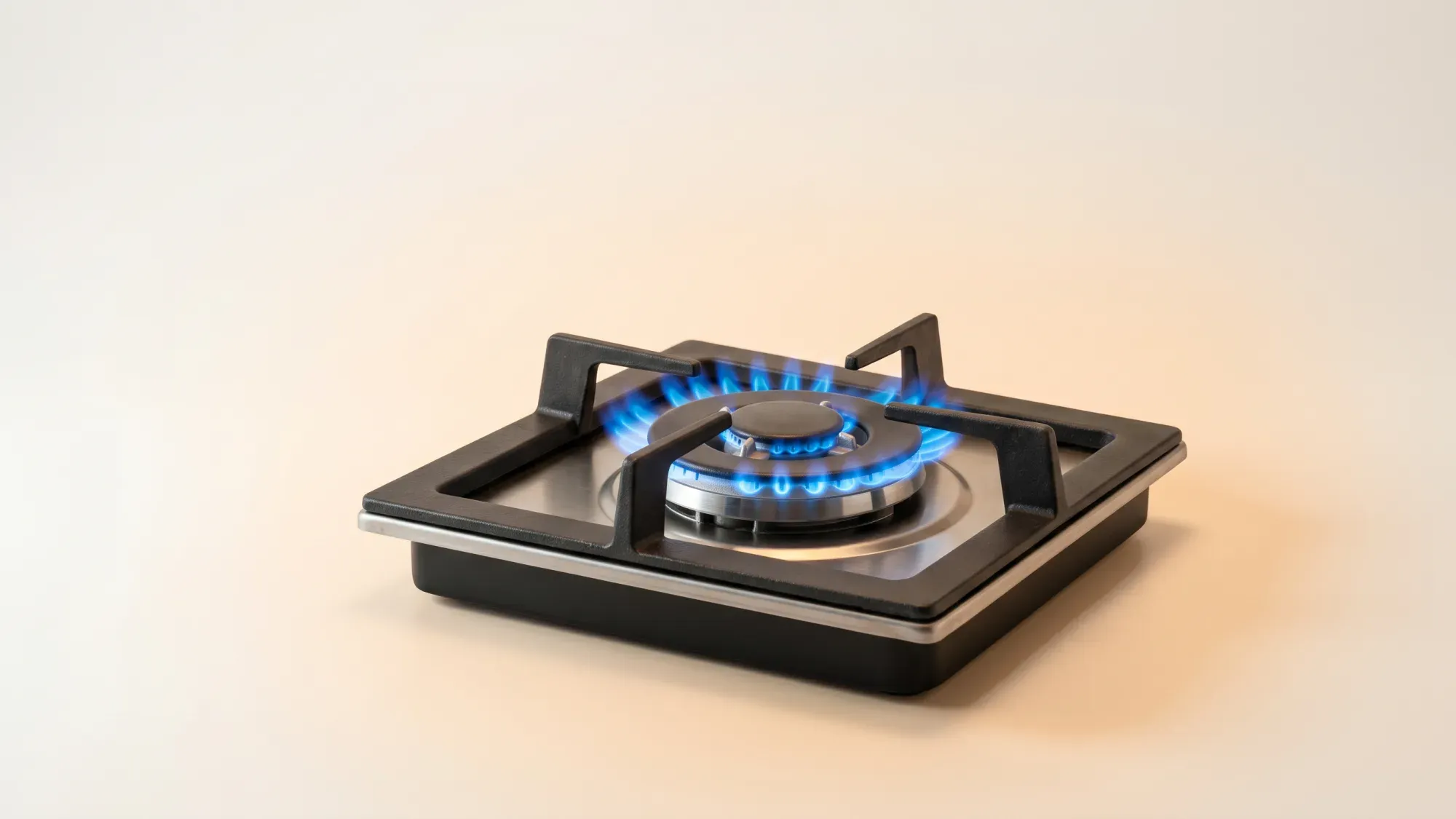
- Appliance changes: A gas flame that is yellow or orange instead of blue, or an appliance that is unusually hot, could signal a problem.
Health symptoms of gas exposure
Exposure to natural gas can cause various health symptoms, which may include dizziness, nausea, headaches, fatigue, or difficulty breathing. If you or anyone in your household experiences these symptoms, especially if they improve when you leave the property, it could be a sign of a gas leak.
If you suspect a gas leak, immediate action is critical to ensure safety.
Evacuate safely and quickly
The most important step is to evacuate everyone from the property immediately. Move to a safe distance, well away from the building, and ensure pets are also safely removed. Do not re-enter the property until emergency services confirm it is safe to do so.
Turn off the gas supply and ventilate
If it is safe to do so, turn off your home's gas supply at the Emergency Control Valve (ECV) and open windows and doors to ventilate the area. The ECV is usually located near your gas meter. Only attempt to do this if it does not put you at further risk or create a spark.
Contact emergency services
Once you are in a safe location, call the National Gas Emergency Service. The UK gas emergency number is 0800 111 999, and it is free to call and available 24/7. Provide them with your exact location and any details about the suspected leak.
Do not operate electricals or open flames
While evacuating or waiting for emergency services, it is crucial not to do anything that could ignite the escaping gas. This includes:
- Do not switch lights on or off.
- Do not use mobile phones inside the property.
- Do not operate any electrical appliances or switches.
- Do not light matches, lighters, or any other open flames.
- Do not use doorbells.
- Do not attempt to locate the source of the leak or fix it yourself.
Gas leaks pose severe risks, from health implications to potential explosions. Understanding these dangers reinforces the need for prompt action.
Natural gas vs carbon monoxide
It is important to distinguish between a natural gas leak and carbon monoxide poisoning. Natural gas leaks are detectable by the distinctive rotten egg smell. Carbon monoxide, however, is a silent killer because it is colourless, odourless, and tasteless, making it impossible to detect without a carbon monoxide (CO) alarm. Both are serious hazards, but their detection methods differ significantly.
Potential hazards of an undetected leak
An undetected natural gas leak can lead to several severe consequences:
- Health risks: Prolonged exposure can cause dizziness, nausea, fatigue, and in severe cases, suffocation as gas displaces oxygen.
- Fire and explosion: Natural gas is highly flammable. A spark from an electrical appliance, a light switch, or an open flame can ignite escaping gas, leading to a fire or a devastating explosion.
While immediate action is key during an emergency, prevention and regular maintenance can significantly reduce the risk of gas leaks.
Regular appliance checks and servicing
Ensure all gas appliances in your home, such as boilers, cookers, and fires, are regularly checked and serviced by a Gas Safe registered engineer. This helps to identify and rectify potential issues before they become dangerous. All gas work in the UK must be carried out by a Gas Safe registered engineer.
Installing gas detectors
Consider installing gas detectors in your home. These devices can provide an early warning of a gas leak, supplementing your sense of smell. For protection against carbon monoxide, ensure you have working carbon monoxide alarms, especially near fuel-burning appliances.
Managing your home's energy, including understanding safety, should be clear and straightforward. Fuse Energy offers transparent pricing, real-time usage data through our app, and 24/7 human customer support to help you stay in control. Switching to Fuse is quick and easy, allowing you to focus on what matters most - the safety and comfort of your home. Click here to switch to Fuse Energy today. You can also learn more about our mission to build a sustainable energy future here.