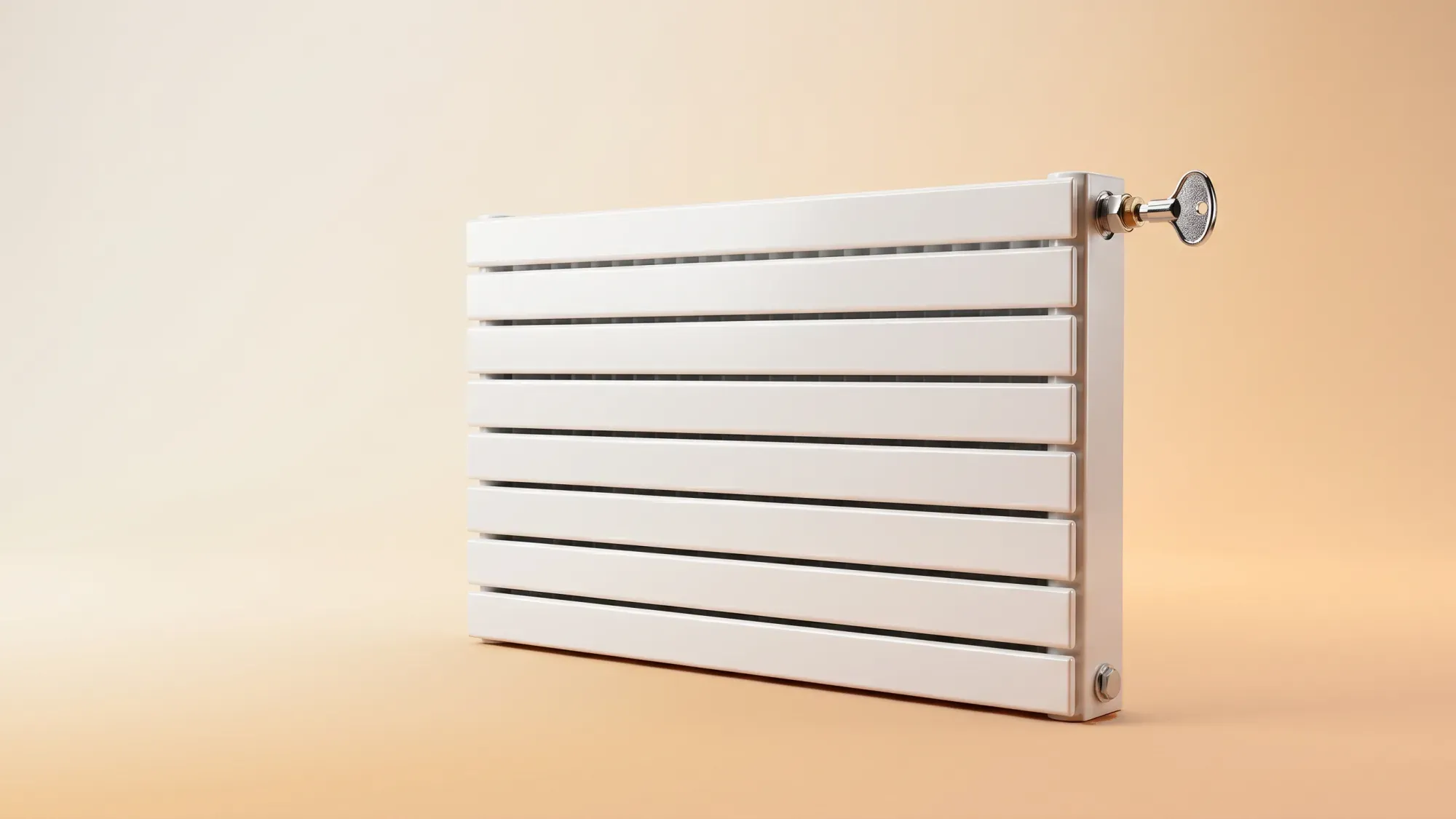
If your radiators are cold at the top, making gurgling noises, or your home is not heating as efficiently as it should, trapped air is likely the culprit. Bleeding your radiators is a simple, effective DIY task that can significantly improve your heating system's performance, boost warmth, and help reduce your energy bills. This guide provides clear, step-by-step instructions for UK homeowners and tenants to safely and effectively bleed their radiators and maintain an efficient home heating system.
Ensuring your home heating system runs efficiently, like by regularly bleeding radiators, is crucial for comfort and managing costs. Fuse Energy helps you take control of your home's energy efficiency with clear pricing and smart tools to manage your usage. Click here to switch to Fuse Energy today and start making a difference to your bills.
Air trapped within your central heating system prevents hot water from circulating properly, leading to cold spots on your radiators and reduced heating efficiency. This means your boiler has to work harder and for longer to heat your home, directly contributing to higher energy consumption and increased costs. The average UK home uses around 9,500 kWh of gas per year1 for heating, so optimising your system's efficiency can lead to tangible savings.
Signs your radiators need bleeding
You will know your radiators need bleeding if you notice specific signs. The most common indicator is a radiator that is cold at the top but warm at the bottom. This suggests air is trapped in the upper section, preventing hot water from filling the entire unit. Gurgling or knocking sounds from your heating system can also signal trapped air. If your home feels colder than usual despite the heating being on, or if your energy bills are unexpectedly high, inefficient radiators could be a contributing factor.
Bleeding a radiator is a straightforward task that requires only a few basic tools:
- Radiator bleed key: This small, square or flat-ended key is specifically designed to open and close the bleed valve. Most DIY stores and hardware shops stock them.
- Cloth or rag: To catch any drips or small sprays of water that may come out of the valve.
- Container or small bowl: To collect any water that escapes once the air has been released.
Follow these steps to bleed your radiators safely and effectively.
Preparation: turn off your heating
Before you begin bleeding any radiators, turn off your central heating system completely. Allow enough time for all radiators to cool down. Attempting to bleed a hot radiator can be dangerous, as hot water and steam can escape under pressure.
Locate the bleed valve
The bleed valve is usually a small, circular valve located at the top corner of your radiator, often opposite the temperature control valve. It will have a small square or slot in the centre, designed to fit your radiator bleed key. Place your cloth and container directly underneath the valve to catch any water.
Open the valve slowly
Insert the radiator bleed key into the valve. Turn it slowly, anti-clockwise. You should hear a hissing sound as trapped air begins to escape. Keep the cloth ready, as a small amount of water may spray out with the air.
Close the valve
Once the hissing stops and a steady stream of water starts to trickle out, close the valve tightly by turning the radiator bleed key clockwise. Do not overtighten, but ensure it is snug to prevent leaks.
Repeat for all radiators
Work your way around your home, bleeding each radiator. It is generally recommended to start with the radiators on the ground floor and move upwards, as air tends to rise.
After bleeding all your radiators, check your boiler's pressure gauge. Releasing air can cause the system pressure to drop. If the pressure is below the recommended level (usually indicated by a green zone on the gauge, or around 1-1.5 bar), you will need to repressurise your system. Consult your boiler's manual for specific instructions on how to do this, as the process varies between models.
Sometimes, bleeding alone might not solve all your heating problems. Here are a few common issues and what they might indicate:
Radiator cold at the bottom
If your radiator is cold at the bottom but warm at the top, this typically indicates a build-up of sludge or debris at the bottom of the unit, not trapped air. This issue usually requires a professional power flush of your heating system to clear the blockage.
Still cold after bleeding
If you have bled your radiators and they are still not heating up properly, check your boiler pressure again. If the pressure is fine, there might be other issues such as a faulty thermostatic radiator valve (TRV), a blocked pipe, or a problem with your boiler itself. In such cases, it is best to consult a qualified heating engineer.
No water coming out when bleeding
If you open the bleed valve and no air or water comes out, your central heating system might not have enough pressure. Check your boiler's pressure gauge and repressurise the system if needed. If the problem persists, there could be a blockage or a more serious issue requiring professional attention.
Bleeding radiators typically needs to be done once a year, or when specific signs of trapped air appear, such as cold spots at the top of the radiator or gurgling noises. Many homeowners choose to bleed their radiators in the autumn, before the colder months set in, as part of their annual heating system maintenance. Regular maintenance helps ensure your system runs efficiently, keeping your home warm and your energy bills manageable.
Fuse Energy is committed to helping you manage your home's energy efficiently. Our clear pricing and smart app tools give you transparency and control over your energy usage, helping you understand how to lower your bills. Switching to Fuse is quick and easy, and our 24/7 human support team is always ready to help. Click here to switch to Fuse Energy today and experience a smarter way to manage your home's energy.