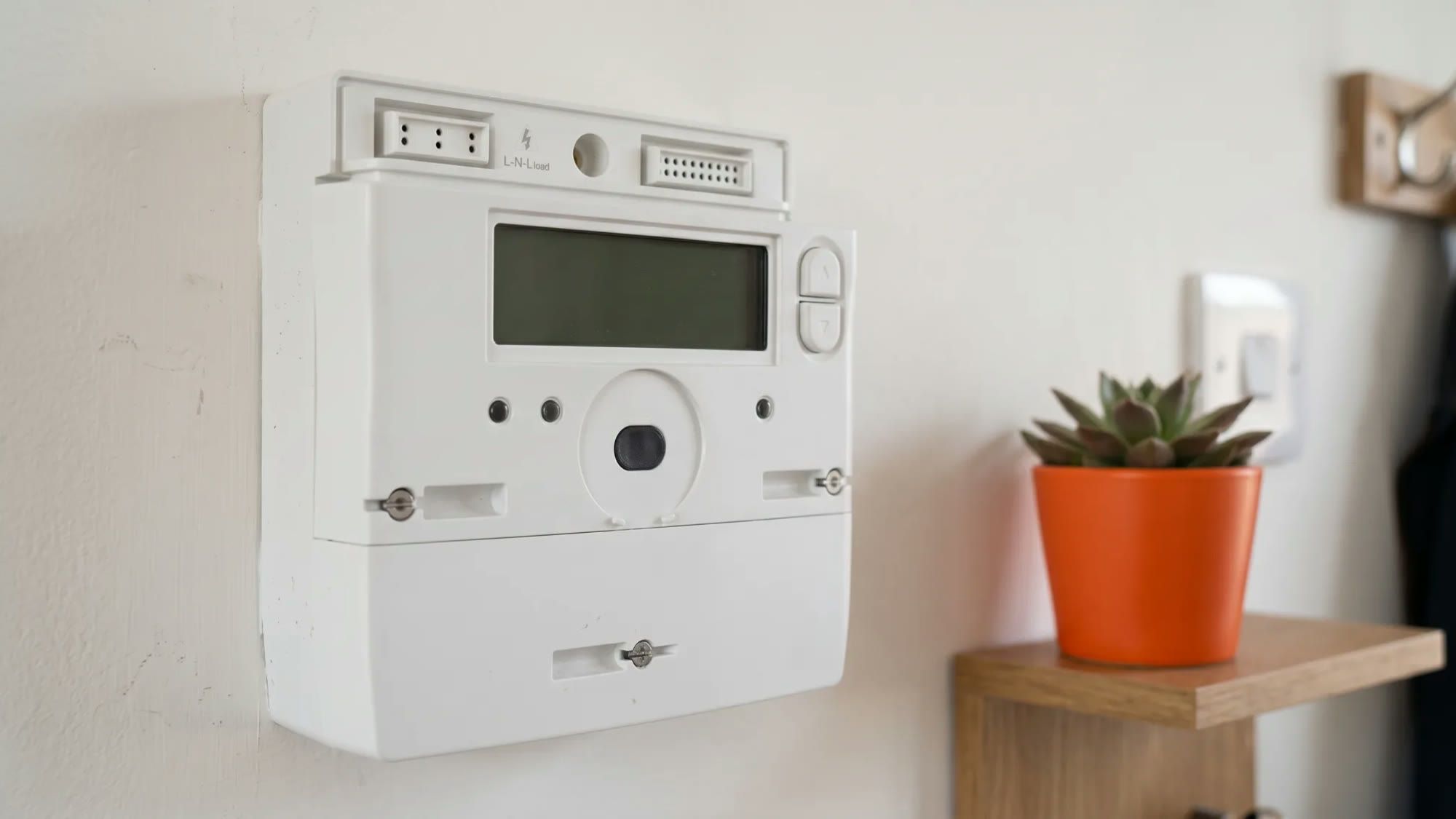
In the UK, a 'unit of electricity' is the common term for one kilowatt-hour (kWh). Understanding how much this unit costs and the factors that influence its price is key to managing your household energy bills effectively. The current electricity unit rate under the Ofgem Price Cap for 1 July to 30 September 2026 is 26.11p per kilowatt-hour (kWh), inclusive of 5% VAT.
Understanding the cost of your electricity unit can help you make smarter energy choices. Fuse Energy provides clear, up-to-date information to help you manage your energy usage and bills. Click here to see how easy it is to switch.
What is a kilowatt-hour (kWh)?
A kilowatt-hour (kWh) is a standard unit of energy measurement. It represents the amount of energy consumed by a 1,000-watt (1 kilowatt) appliance running for one hour. For example, a 100-watt light Bulb left on for 10 hours would use 1 kWh of electricity (100 watts x 10 hours = 1,000 watt-hours = 1 kWh). This measurement allows energy suppliers to accurately charge for the electricity you use.
Why is it called a 'unit'?
The term 'unit' is simply a simplified way for consumers to refer to a kilowatt-hour. It makes discussing electricity consumption and billing more straightforward, avoiding technical jargon. When your electricity bill refers to "units used", it is always talking about kilowatt-hours.
The Ofgem Price Cap explained
The energy price cap, set by Ofgem, the UK's energy regulator, limits the maximum unit rate and standing charge that suppliers can apply for electricity and gas. This cap is reviewed and updated quarterly, typically taking effect on 1 January, 1 April, 1 July, and 1 October each year. This means electricity prices are not static and are subject to regular changes based on market conditions and regulatory decisions.
Current unit rate and standing charge
For the period of 1 July to 30 September 2026, the electricity unit rate under the Ofgem Price Cap is 26.11p per kilowatt-hour (kWh), including 5% VAT. In addition to this unit rate, electricity bills also include a daily standing charge, which is a fixed daily cost separate from the amount of electricity you consume. This standing charge covers the fixed costs of supplying electricity to your home, such as maintaining the grid. For the same period, the electricity daily standing charge is 57.19p.
How UK electricity prices compare
Electricity prices in the UK are influenced by various factors, including global energy markets, government policies, and the costs associated with maintaining and upgrading the National Grid. While the Ofgem Price Cap provides a ceiling for standard variable tariffs, prices can still vary between suppliers and tariff types. It is always worth checking how your current tariff compares to others available.
Several components contribute to the overall unit rate you pay for electricity. Understanding these can help demystify your bill.
Wholesale energy costs
The largest component of your electricity bill is the wholesale cost of energy. This is the price suppliers pay for the electricity they buy from generators. These costs are highly volatile, influenced by global supply and demand, geopolitical events, and the availability of different energy sources.
Network charges and operating costs
Network charges cover the cost of maintaining and upgrading the UK's electricity grid - the pylons, cables, and substations that transport electricity to your home. Operating costs include the expenses incurred by your supplier for billing, customer service, and other administrative tasks.
Government levies and VAT
Government levies are charges imposed to support environmental and social schemes, such as renewable energy incentives and assistance for vulnerable households. Value Added Tax (VAT) is also applied to your electricity bill, typically at a reduced rate of 5% for domestic energy.
Your tariff type and supplier
The type of tariff you are on (e.g., fixed-rate, variable, or time-of-use) and your chosen supplier can also affect your unit rate. While the price cap sets a maximum, suppliers can offer tariffs below this cap. Different suppliers may also have varying approaches to their standing charges and unit rates.
Understanding your electricity usage is the first step to managing your costs.
Estimating daily and monthly usage
The average UK home uses around 2,500 kWh of electricity per year. This equates to approximately 6.8 kWh per day. To estimate your daily or monthly usage, you can monitor your smart meter readings or check past bills. Knowing your consumption helps you forecast costs and identify areas for potential savings.
Cost of running common appliances
The cost of running appliances depends on their power rating (in watts) and how long they are used. For example, a 2,000-watt (2 kW) electric heater running for one hour would use 2 kWh of electricity. At the current unit rate of 26.11p/kWh, this would cost 52.22p for that hour. Appliances with higher wattage or those used for longer periods will naturally contribute more to your bill.
Understanding your electricity bill
Your electricity bill combines your total unit consumption (kWh used multiplied by the unit rate) and the daily standing charge, multiplied by the number of days in the billing period. It is important to review both components to understand your total expenditure. A high standing charge can significantly impact your bill, even if your consumption is low.
Taking control of your electricity usage can lead to noticeable savings.
Monitoring consumption with smart meters
Smart meters provide real-time insights into your energy consumption, allowing you to see how much electricity you are using and what it is costing you. This immediate feedback can help you identify energy-intensive habits and make informed decisions to reduce waste.
Energy-saving tips for your home
Simple changes can make a difference. Switching off lights and appliances when not in use, using energy-efficient appliances, and optimising your heating and cooling can all contribute to lower electricity bills. Even small adjustments to daily routines can add up over time.
Considering different tariff options
Regularly reviewing your energy tariff can ensure you are on the best deal for your household. While the price cap protects customers on standard variable tariffs, fixed-rate tariffs might offer more stability, and some suppliers provide specific tariffs designed for electric vehicle owners or those with solar panels.
Managing your energy bills should be clear and easy to understand. Fuse Energy focuses on straightforward pricing, so you can see exactly what you are paying without unnecessary complexity. If you have a smart meter, you can view detailed usage data through the app or website, helping you understand how you can lower your bills. If you do not have a smart meter, Fuse Energy can upgrade your non-smart meter, completely for free. This can make it easier to track spending and make informed decisions about your energy use. Our 24/7 human support team is always on hand with fast response times of under 5 minutes whenever you need help. Click here to switch to Fuse Energy today. Find out about our mission by clicking here.