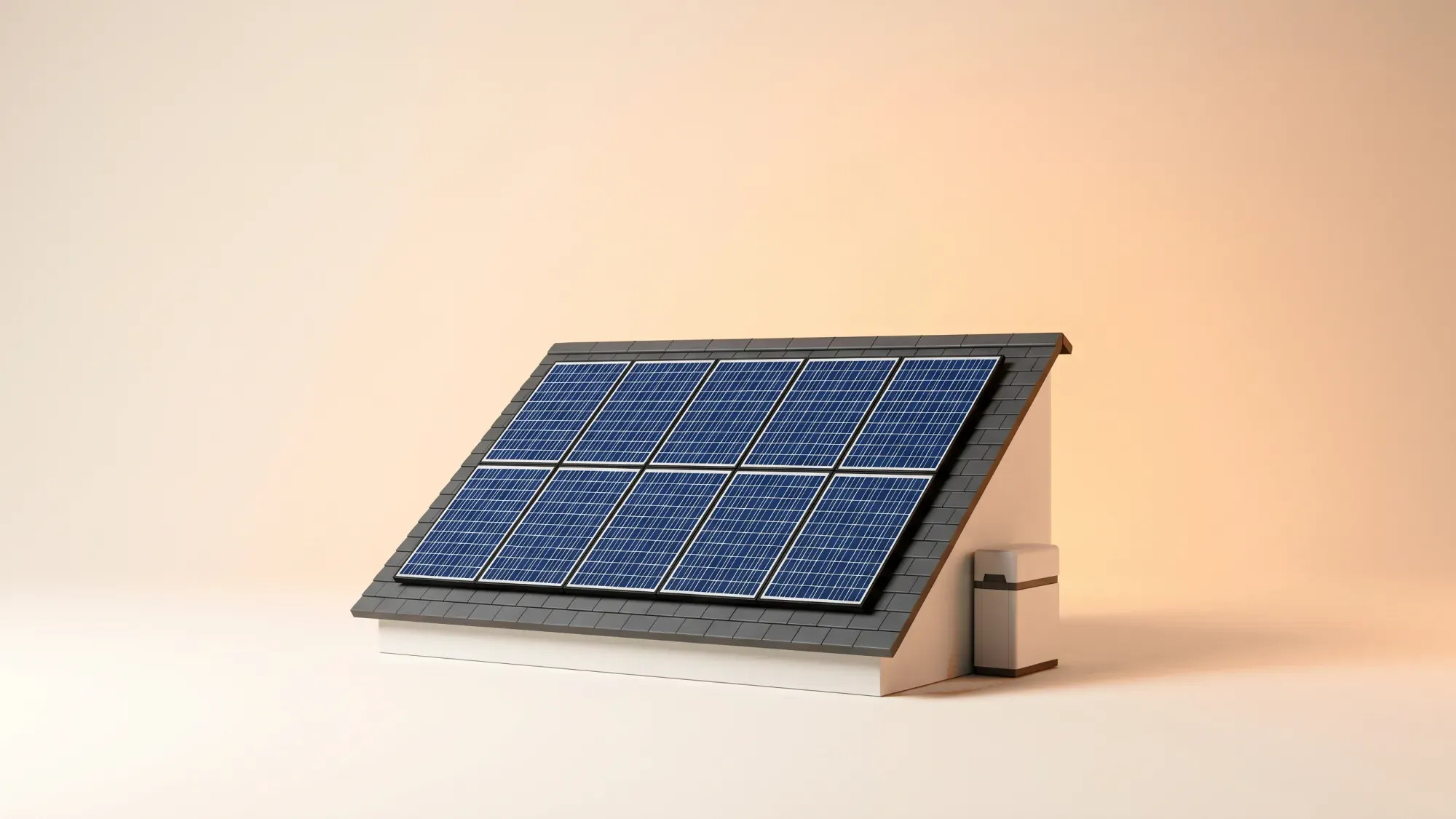
For UK homeowners considering solar panels, understanding their realistic daily energy output is crucial for assessing viability and potential savings. Solar panels offer a path to greater energy independence, but their performance is highly variable, influenced by factors like sunlight intensity, panel efficiency, and local weather conditions. A typical 4 kilowatt-peak (kWp) solar panel system in the UK can generate approximately 3,400 to 4,200 kilowatt-hours (kWh) per year, averaging around 9 to 11 kWh per day. This output fluctuates significantly with the seasons, with summer months yielding substantially more energy than winter.
Understanding daily solar panel output in the UK
Generating your own electricity means engaging with a dynamic resource. Solar panels convert sunlight into usable electricity, and understanding the units of measurement and the reasons for output variations is the first step.
What is a kilowatt-hour (kWh)?
A kilowatt-hour (kWh) is the standard unit for measuring electricity consumption and generation. It represents the amount of electrical energy consumed or produced when a 1-kilowatt (kW) device operates for one hour. Your energy bills are calculated based on the number of kWh you consume, and similarly, your solar panels' output is measured in kWh.
Why daily output varies
The amount of electricity your solar panels produce each day is rarely constant. Factors such as the time of year, weather, and even the cleanliness of your panels can cause significant fluctuations. This variability means that while annual figures provide a good overview, daily output offers a more granular understanding for managing your home's energy.
Key factors influencing solar panel energy production
Several critical elements determine how much electricity your solar panels generate on any given day.
Sunlight and weather conditions
The intensity and duration of sunlight are paramount. Solar panels produce more electricity on bright, sunny days than on overcast ones. The UK's geographical location means sunlight intensity varies significantly throughout the year, impacting overall output. Even on cloudy days, panels still function, albeit at a reduced capacity, typically 10-30% of their clear-weather performance.
Panel efficiency and degradation
Solar panel efficiency measures how well a panel converts sunlight into electricity. For commercially available panels, efficiency typically ranges from 15% to 22%. Higher efficiency panels produce more power per square foot, which can be particularly beneficial if your roof space is limited. Over time, solar panels experience a slight decrease in efficiency, known as degradation, though this is usually a slow and predictable process.
System size and orientation
The total capacity of your solar panel system (measured in kWp) directly influences its potential output. A larger system generally produces more electricity. Crucially, the orientation and tilt of your panels also play a significant role. South-facing roofs with an optimal tilt usually maximise energy generation in the UK.
Shading and maintenance
Even partial shading from trees, chimneys, or neighbouring buildings can noticeably reduce a solar panel's output. Regular maintenance, such as keeping panels clean from dirt, leaves, or snow, ensures they operate at their best.
Typical solar panel output for UK homes
Understanding average figures helps set realistic expectations for solar energy generation in the UK.
Average daily generation figures
A typical 4 kWp solar panel system in the UK can generate approximately 3,400 to 4,200 kWh per year, which averages out to around 9 to 11 kWh per day. Some systems, particularly those around 4.6 kWp, might produce an average of 11 kWh per day. This output can comfortably cover a significant portion of an average household's daily electricity needs.
How much energy does a 1 square metre solar panel produce per day?
A single square metre solar panel in the UK typically produces between 0.6 and 0.8 kWh per day, assuming around four hours of effective sunlight and an efficiency of 15-20%. This figure can vary based on the panel's specific efficiency and local weather conditions.
Seasonal variations in output
Solar panel output in the UK is highly seasonal. Summer months, with longer daylight hours and stronger sunlight, can see daily generation figures that are significantly higher than in winter. For example, a 4 kW system might produce 14-18 kWh per day in summer, but only 1-5 kWh per day in winter. While winter output is lower, panels still generate electricity year-round, responding to daylight rather than warmth.
Comparing output to average household consumption
The average UK home uses around 2,500 kWh of electricity per year, or roughly 6.8 kWh per day. This means a well-performing 4 kWp solar system can potentially cover a substantial portion of this demand, especially during sunnier periods. However, the timing of generation versus consumption often means homes still draw from the grid during evenings or on particularly cloudy days.
Maximising the value of your solar energy
Generating electricity is only one part of the equation; optimising its use and value is key to true energy independence and cost savings.
Optimising self-consumption
To get the most from your solar panels, it is beneficial to use the electricity you generate as it is produced. This is known as self-consumption. Running high-energy appliances like washing machines, dishwashers, or electric vehicle chargers during daylight hours when your panels are generating can significantly reduce the amount of electricity you need to import from the grid.
The Smart Export Guarantee (SEG)
When your solar panels generate more electricity than your home consumes, you can sell this surplus back to the grid through the Smart Export Guarantee (SEG). This government-backed scheme mandates that larger energy suppliers offer a tariff for small-scale low-carbon generators to export electricity. While the SEG guarantees payment, the rates vary between suppliers, so it pays to compare options.
Smart energy management with the Fuse app
The Fuse app provides the tools to monitor, optimise, and control how you use and export your solar energy, shifting the balance of power into your hands. It empowers you to make informed decisions about when to use energy, store it, or export it, helping you maximise the financial benefits of your solar panels.
The future of solar for UK homeowners
Solar energy is evolving rapidly, offering homeowners even greater control and opportunities.
Beyond generation: storage and control
The future of solar for UK homeowners extends beyond simply generating electricity. Integrating home battery storage allows you to capture surplus solar energy generated during the day and use it during the evening or at night, further reducing reliance on the grid and potentially avoiding peak-time electricity purchases. Smart energy management systems, often controlled via apps, are becoming increasingly sophisticated, enabling real-time optimisation of energy flows within your home.
Fuse Energy's role in your solar journey
Fuse Energy empowers solar homeowners to experience true energy independence by making their generated power abundant and easy to manage. While Fuse Energy does not install solar panels or home batteries, our focus is on helping you manage and maximise the value of the energy they produce once installed. Our app and smart tariffs are designed to help you monitor your generation and consumption, optimise self-consumption, and profitably export any surplus energy, aligning with our vision of a future with power to play with.
For the avoidance of doubt, this article is provided for informational purposes only and is not intended to constitute legal or financial advice. The author and/or Fuse Energy shall not be responsible for any losses arising out of any reliance on the information contained herein.