How long does it take to charge an electric car?
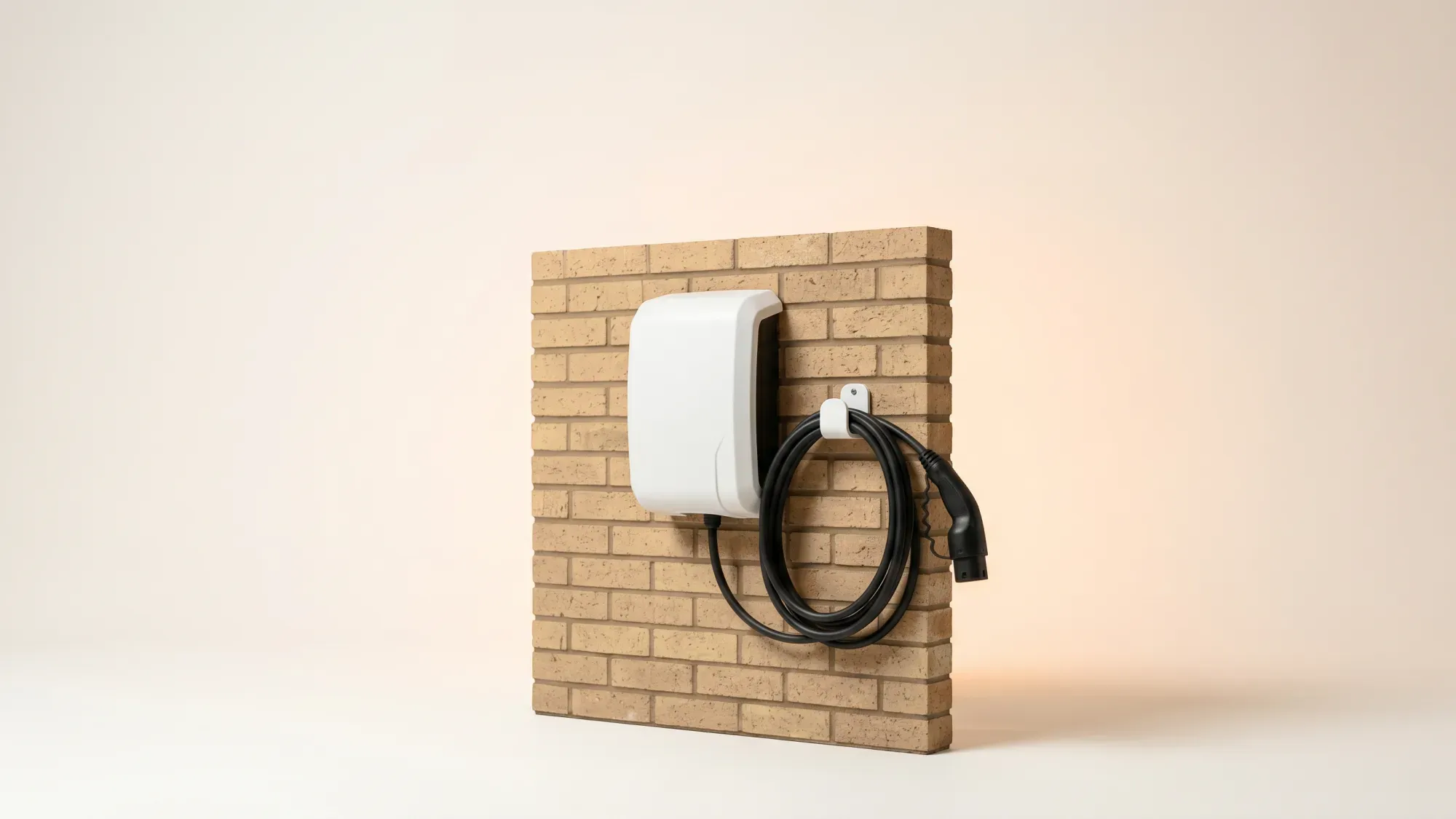
Charging an electric car in the UK can take anywhere from 20 minutes to over 24 hours. This wide range depends on factors such as the battery size, the charger's power output, and the vehicle's maximum charge rate. Understanding these variables helps you manage expectations and plan your energy use efficiently.
At Fuse Energy, we aim to empower EV owners with the knowledge and tools to make electric car charging convenient, cost-effective, and seamlessly integrated into their home energy management. Discover how easy it is to manage your energy with us. Click here to switch to Fuse Energy today.
Enter your address to get a quote and see how much you could save
Understanding electric car charging times
The time it takes to replenish an electric vehicle's (EV) battery is not a fixed number; it is a dynamic calculation influenced by several key factors. Unlike refuelling a petrol or diesel car, which is a quick, standardised process, EV charging involves different technologies and capacities.
The basics of EV charging
At its core, EV charging involves transferring electricity from a power source to your car's battery. This process is measured in kilowatts (kW) for power output and kilowatt-hours (kWh) for battery capacity. A higher kW charger will deliver electricity faster, reducing the time needed to charge a battery of a given kWh size. However, the vehicle itself has a maximum rate at which it can accept charge, meaning a more powerful charger will not always speed things up if the car cannot utilise the full power.
Why charging times vary
Several elements dictate how long your EV will spend plugged in. These include the size of your car's battery, the power output of the charger you are using, and the maximum charging rate your vehicle can handle. Environmental factors, such as temperature, and the battery's current state of charge also play a significant role.
Key factors influencing charging speed
Understanding these factors is crucial for accurately estimating charging times and optimising your EV experience.
Battery capacity (kWh)
Simply put, a larger battery takes longer to fill. Just as a bigger fuel tank takes more litres to fill, a higher kWh battery requires more electricity to reach full capacity. A typical electric car battery in the UK might range from 20 kWh to over 100 kWh, with many common models falling between 40-60 kWh.
Charger power (kW)
The power output of the charger, measured in kilowatts (kW), directly impacts charging speed. A 7 kW home wallbox will charge significantly faster than a standard 3-pin domestic socket (around 2.3 kW) , while public rapid chargers offer even higher power outputs, often 50 kW or more.
Vehicle's maximum charge rate
Every EV has a maximum rate at which its onboard systems can accept charge, regardless of how powerful the charger is. For example, if your car can only accept 50 kW, plugging it into a 150 kW ultra-rapid charger will not make it charge any faster than 50 kW. This is a critical, often overlooked, factor.
Battery state of charge (soc)
The current charge level of your battery significantly affects charging time. Batteries charge fastest when they are low and slow down as they approach full. Most EV manufacturers and battery experts recommend charging to around 80% for daily use to preserve battery health and optimise charging speed. The final 20% can take as long as the first 80%, especially on rapid chargers, as the car's battery management system reduces power to protect the battery.
Why do EVs charge slower after 80%?
EV batteries charge fastest when low and slow down significantly after reaching about 80% state of charge. This is a deliberate measure by the car's battery management system to protect the battery cells, prevent overheating, and prolong the overall lifespan of the battery.
Environmental conditions
External temperature can impact charging speed. In very cold weather, batteries are less efficient at accepting charge, and the car may use some energy to warm the battery, slowing down the charging process.
Types of EV chargers and their typical speeds
Charging speeds are generally categorised into slow, fast, rapid, and ultra-rapid, each suited for different scenarios.
Slow charging (3-pin plug)
This is the slowest method, using a standard domestic 3-pin socket (around 2.3 kW) . It is typically only suitable for emergency use or occasional top-ups, as a full charge for a 60 kWh EV can take over 24 hours.
Fast charging (7kW home wallbox)
A 7 kW home wallbox is the most common and practical solution for UK EV owners. A typical 60 kWh electric car can charge from 0-100% in approximately 8-9 hours using a 7 kW wallbox. This makes overnight charging a convenient option for most drivers.
Rapid charging (50kW+ public chargers)
Found at public locations like motorway service stations and retail parks, rapid chargers typically deliver 50 kW or more, ranging up to 150 kW. A 50 kW rapid charger can add around 100 miles of range to a compatible EV in 30-40 minutes.
Ultra-rapid charging (150kW+ public chargers)
These are the fastest public chargers, often found at dedicated charging hubs. Delivering 150 kW or more, with some reaching 350 kW, ultra-rapid chargers can replenish an EV from 10-80% in as little as 20-30 minutes for compatible vehicles.
Calculating your EV charging time
While many factors influence the actual time, a simple formula provides a good estimate.
The simple formula
To get a rough idea of how long it will take to charge your EV, you can use this calculation:
Battery Capacity (kWh) / Charger Power (kW) = Approximate Hours to Charge
For example, a 60 kWh battery on a 7 kW charger would take approximately 8.5 hours (60 kWh / 7 kW = 8.57 hours). Remember, this does not account for the slower charging above 80% or other variables.
Real-world examples for popular EVs
- Nissan leaf (62 kWh battery) on a 7 kW home charger: Approximately 9 hours for a full charge.
- Tesla model 3 long range (75 kWh battery) on a 7 kW home charger: Around 11 hours for a full charge.
- Hyundai kona electric (64 kWh battery) on a 50 kW rapid charger (10-80%): Roughly 45-60 minutes.
These are estimates, and actual times will vary based on the specific model, battery condition, and external factors.
Optimising your EV charging experience
Making the most of your EV charging involves smart planning and leveraging available technology.
Home charging strategies
For most UK drivers, home charging is the most convenient and cost-effective method. Charging overnight, when electricity demand is lower and tariffs can be cheaper, ensures your car is ready each morning. Consider a dedicated 7 kW home wallbox for optimal speed and safety. Fuse Energy offers the Easee One EV charger for installation, which has a 7.4 kW output and includes full installation up to 15m of cabling, surge protection, and a 3-year warranty.
Public charging etiquette and tips
When using public rapid or ultra-rapid chargers, aim to charge to 80% if you are in a hurry, as the final 20% takes significantly longer. Always check the charger's power rating and ensure your vehicle is compatible to avoid slower-than-expected charging. Planning your route to include suitable charging stops is essential for longer journeys.
Monitoring and managing costs with smart energy
Integrating your EV charging with smart home energy management can help you monitor usage and control costs. Fuse Energy's app and smart meter integration offer real-time visibility into your energy consumption, including EV charging, allowing you to make informed decisions.
Common questions about EV charging
Is it better to charge to 100%?
For daily driving, it is generally recommended to charge your EV to 80% to prolong battery health and optimise charging speed. Charging to 100% is fine for occasional long journeys, but regularly leaving your battery at full charge for extended periods can accelerate degradation.
How does temperature affect charging?
Extreme temperatures, both hot and cold, can impact charging efficiency. In cold weather, the battery's internal resistance increases, slowing down the charging process. Some EVs have battery pre-conditioning systems to warm the battery before charging, improving speed.
What is the fastest charging electric car?
The fastest charging electric cars are typically high-end models designed with advanced battery technology and high maximum acceptance rates, often exceeding 200 kW. Examples include the Porsche Taycan and Hyundai IONIQ 5/6, which can add hundreds of miles of range in under 20 minutes at ultra-rapid chargers.
Managing your energy bills should be clear and easy to understand. Fuse Energy focuses on straightforward pricing, so you can see exactly what you are paying without unnecessary complexity. If you have a smart meter, you can view detailed usage data through the app or website, helping you understand how you can lower your bills. If you do not have a smart meter, Fuse Energy can upgrade your non-smart meter, completely for free. This can make it easier to track spending and make informed decisions about your energy use. Our 24/7 human support team is always on hand with fast response times whenever you need help. Click here to switch to Fuse Energy today. Find out about our mission by clicking here.
Disclaimer
For the avoidance of doubt, this article is provided for informational purposes only and is not intended to constitute legal or financial advice. The author and/or Fuse Energy shall not be responsible for any losses arising out of any reliance on the information contained herein.