Optimising home temperature for comfort and efficiency
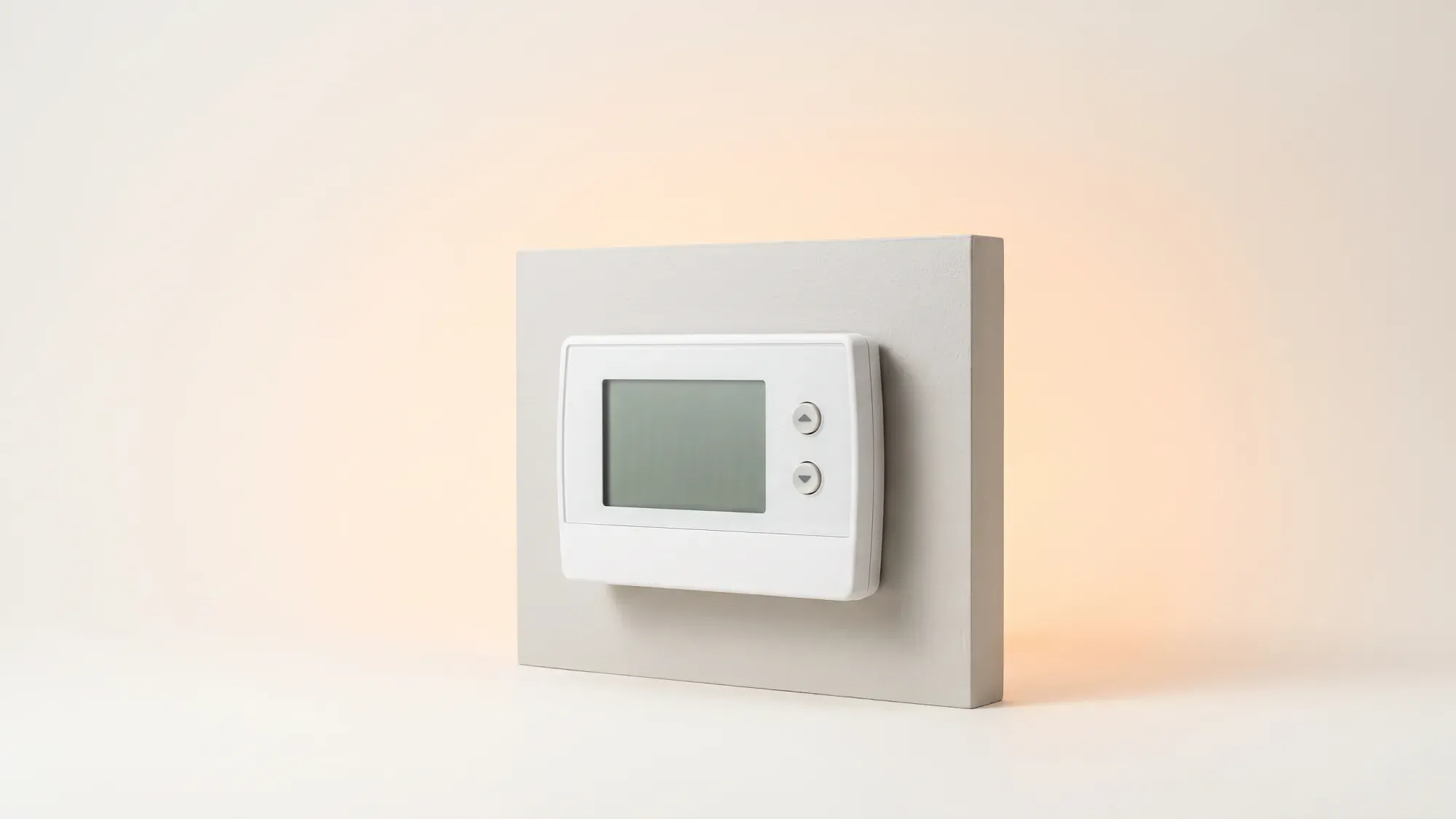
Maintaining a comfortable home temperature is a constant balancing act for UK households. The challenge lies in staying warm without incurring excessive energy costs, a concern that often leads to anxiety and inefficient heating habits. Finding the right balance between comfort, health, and energy efficiency is key to a well-managed home.
Optimising your home's temperature for comfort and efficiency is easier when you have clear insights into your energy use. Fuse Energy provides the tools to help you manage your heating effectively. Click here to switch to Fuse Energy today.
Enter your address to get a quote and see how much you could save
Understanding ideal home temperatures
Setting the right temperature for your home isn't just about comfort; it significantly impacts your health and energy bills. What feels ideal can vary, but health organisations provide clear guidance.
Recommended ranges for health and comfort
For most healthy adults, the NHS advises keeping your home at a minimum of 18°C, particularly in frequently used rooms like the living room or bedroom. This 18°C is a baseline for health protection, not necessarily peak comfort. Many people find a range of 18-21°C comfortable for living spaces. The Energy Saving Trust suggests heating your home to the lowest comfortable temperature, typically between 18-21°C.
Temperature considerations for vulnerable groups
Vulnerable individuals, such as the elderly, very young children, or those with certain health conditions, often require warmer environments. Age UK recommends that people heat their main living areas to around 21°C, with bedrooms at a minimum of 18°C. For babies, the NHS recommends a room temperature of 16-20°C for sleeping to help reduce the risk of Sudden Infant Death Syndrome (SIDS). For those with respiratory conditions like chronic obstructive pulmonary disease (COPD), living areas heated to 21°C can lead to better health outcomes.
The impact of room-specific temperatures
Different rooms have different ideal temperatures based on their use. Bedrooms for adults are often best kept cooler, around 16-18°C, to aid sleep. Bathrooms, however, might benefit from being warmer, typically 20-22°C, for comfort after a bath or shower. Areas like hallways and storage spaces, where less time is spent, can be cooler, around 15-18°C, to save energy while preventing damp and condensation.
The link between temperature, health, and energy bills
The temperature you maintain in your home directly influences both your well-being and your household budget. Understanding this connection is crucial for making informed heating decisions.
Health risks of improper heating
Cold homes pose significant health risks. Prolonged exposure to temperatures below 18°C can increase the likelihood of respiratory problems, cardiovascular stress, and can exacerbate conditions like asthma. For older individuals, cold can increase blood pressure, raising the risk of heart attacks and strokes. Conversely, consistently overheating your home above 25°C can lead to fatigue, headaches, and poor sleep, particularly for vulnerable people. A house at 14°C, for example, is too cold for prolonged occupancy and can contribute to damp, mould, and serious health issues.
How temperature affects your energy consumption
Heating accounts for a substantial portion of household energy bills in the UK, typically around 61% when including hot water. This makes temperature management a primary lever for energy savings. Even small adjustments can make a big difference: reducing your thermostat by just 1°C can cut heating bills by around 13% on your gas bill. The average UK home uses approximately 9,500 kWh of gas per year, according to Ofgem's medium typical domestic consumption value1. Given that most British homes use gas for heating, this highlights the scale of energy consumption involved.
Debunking common heating myths
One common misconception is that turning heating off completely when you leave the house saves more money than maintaining a lower background temperature. While turning off heating can save energy in the short term, allowing your home to get very cold means your heating system has to work much harder to bring the temperature back up when you return, potentially using more energy overall. It's often more efficient to maintain a consistent, lower background temperature, especially in well-insulated homes.
Smart technology for precise temperature control
Modern technology offers powerful tools to manage your home's temperature with greater precision, helping you achieve comfort and efficiency simultaneously.
Leveraging smart thermostats and sensors
Smart thermostats go beyond simple on/off controls, allowing you to program heating schedules, adjust temperatures remotely via an app, and even learn your habits over time. Many smart thermostats can integrate with sensors in different rooms, enabling multi-zone heating. This means you can heat only the rooms you're using to the desired temperature, rather than warming the entire house unnecessarily. This granular control helps prevent wasted energy and ensures warmth where and when it's needed.
How smart meters provide heating insights
Smart meters are fundamental to understanding your energy consumption. They provide up-to-date data on your gas and electricity usage, which can be accessed through an in-home display or your energy supplier's app. This transparency allows you to see exactly how much energy your heating system is using and how your temperature settings impact your bills. By monitoring this data, you can identify patterns, spot inefficiencies, and make informed adjustments to your heating strategy.
Scheduling and zoning for efficiency
Effective scheduling and zoning are powerful ways to optimise heating. With smart thermostats, you can set different temperatures for different times of the day, ensuring your home is warm when you wake up and cool when you're asleep or out. Zoning allows you to divide your home into different heating areas, so you can warm your living room to 21°C in the evening while keeping bedrooms at a cooler 18°C. This targeted approach maximises comfort while minimising energy waste.
Practical strategies for efficient home heating
Beyond smart technology, several practical measures can significantly improve your home's ability to retain heat and reduce your reliance on continuous heating.
Improving insulation and draught-proofing
Good insulation is your first line of defence against heat loss. Loft insulation, cavity wall insulation, and even solid wall insulation can dramatically reduce the amount of heat escaping your home. Draught-proofing windows, doors, and even letterboxes can prevent cold air from entering and warm air from leaving. These measures make your home feel warmer at lower thermostat settings and reduce the workload on your heating system.
Maximising natural heat and ventilation
Make the most of natural heat sources. Open curtains and blinds during sunny periods to let solar gain warm your rooms, and close them as dusk falls to trap the heat inside. While retaining heat is important, adequate ventilation is also crucial to prevent condensation and maintain good air quality. Briefly opening windows in the morning can refresh the air without significantly cooling your home if done efficiently.
Regular maintenance for heating systems
A well-maintained heating system runs more efficiently. Regular servicing of your boiler or heat pump ensures it's working optimally, reducing the risk of breakdowns and improving its energy performance. Bleeding radiators, for example, removes trapped air, allowing them to heat more effectively. These simple steps can extend the life of your system and keep your energy consumption in check.
Achieving comfort without the cost anxiety
The goal is to enjoy a warm and comfortable home without the constant worry of high energy bills. This is where a data-driven approach to heating, supported by the right tools, truly makes a difference.
Making data-driven heating decisions
Understanding your energy usage through up-to-date data empowers you to make smarter heating choices. Instead of guessing, you can see the direct impact of adjusting your thermostat or optimising your schedule. This transparency helps you identify what works best for your home and lifestyle, allowing you to fine-tune your heating for maximum efficiency and comfort.
The role of up-to-date monitoring
Fuse provides up-to-date energy usage data through its app, putting you in control of your home's temperature management. This insight allows you to monitor your heating patterns, understand your consumption, and make informed decisions that balance comfort with cost. By seeing the impact of your choices, you can adjust your heating with confidence, moving from a mindset of scarcity to one of controlled abundance. Fuse's 24/7 human customer support is also available to help with any smart meter or app queries, ensuring continuous, effortless temperature management.
Future-proofing your home's warmth
By adopting smart heating strategies and leveraging up-to-date data, you're not just managing your home's temperature for today; you're future-proofing your home. Efficient home temperature management contributes to a more stable energy grid by reducing peak demand and optimising overall energy consumption. This approach ensures you can maintain a comfortable living environment, regardless of external factors, by giving you the tools to adapt and control your energy use effectively.
Managing your home's energy should be simple and transparent. Fuse Energy offers clear pricing, real-time usage data (with a smart meter), and 24/7 human customer support to help you stay on top of your bills. Switching is quick and easy, so you can start making smarter energy choices today. Click here to switch to Fuse Energy and take control of your home's energy.
References
Disclaimer
For the avoidance of doubt, this article is provided for informational purposes only and is not intended to constitute legal or financial advice. The author and/or Fuse Energy shall not be responsible for any losses arising out of any reliance on the information contained herein.