Heat pump vs gas boiler: costs and efficiency
Choosing a new home heating system is a significant decision for UK homeowners, balancing upfront investment with long-term running costs, efficiency, and environmental considerations. Heat pumps and gas boilers offer distinct approaches to warming your home. Understanding their operational principles, financial implications, and practicalities is key to making an informed choice that suits your property and priorities.
Understanding your heating choices
The fundamental difference between heat pumps and gas boilers lies in how they generate heat. One moves existing warmth, while the other creates it through combustion.
What is a heat pump?
A heat pump operates by extracting latent heat from the air, ground, or water outside your home and transferring it indoors. Unlike traditional heating systems, heat pumps do not generate heat by burning fuel; instead, they move it. This process makes them highly efficient, often achieving efficiencies of 300% or more, meaning they can produce at least 3 kWh of heat for every 1 kWh of electricity consumed. Air source heat pumps are the most common type in the UK, drawing heat from the ambient air, even in cold temperatures.
What is a gas boiler?
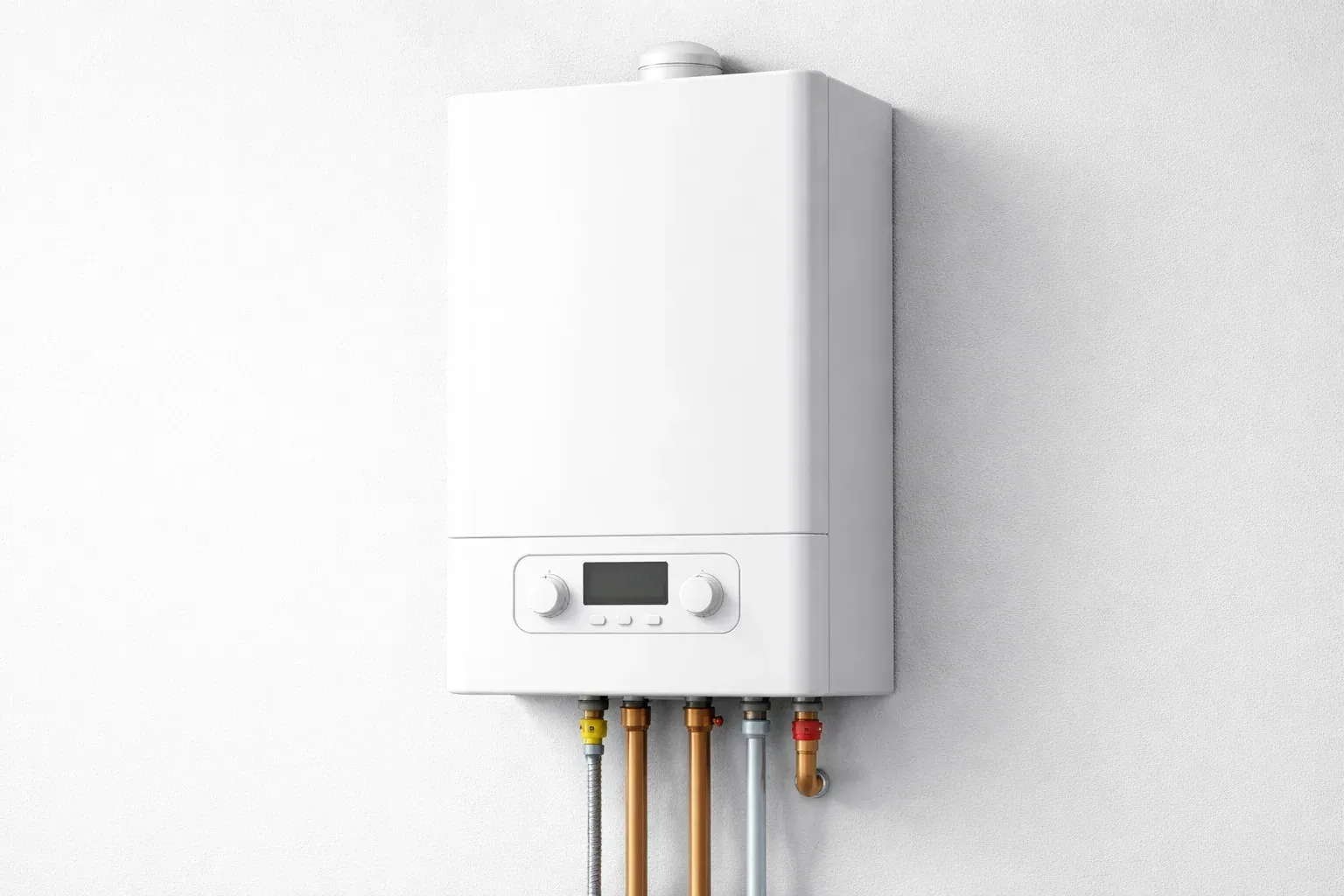
A gas boiler, typically a condensing model in modern installations, burns natural gas to produce heat. This heat is then circulated through your home's central heating system and used to provide hot water. Modern gas boilers are highly efficient, converting a large percentage of the fuel they burn into usable heat, but they still rely on burning fossil fuels.
Key differences: heat pump vs gas boiler
Efficiency and environmental impact
Heat pumps are significantly more energy-efficient than gas boilers because they transfer heat rather than generate it. This high efficiency translates to lower carbon emissions, especially when powered by renewable electricity. Gas boilers, while efficient in their own right, contribute to carbon emissions due to their reliance on natural gas. For homeowners prioritising environmental friendliness and reducing their carbon footprint, a heat pump offers a clear advantage.
Installation costs and grants
The upfront cost of installing a heat pump is generally higher than that of a new gas boiler. Air source heat pump installations in the UK typically range from £7,000 to £15,000 before grants. However, the UK government's Boiler Upgrade Scheme (BUS) provides financial support to help homeowners switch to low-carbon heating. The standard BUS grant is £7,500 for air source and ground source heat pumps. Since 21 July 2026, households in England and Wales currently on heating oil can claim an uplifted £9,000 to move off the oil grid. It's important to note that the MCS-certified installer applies for the BUS grant on the homeowner's behalf, and the grant value is deducted from the installation quote.
For gas boilers, installation costs are typically lower. Fuse Energy offers installations of the Vaillant ecoTEC Plus gas boiler. Please note that Fuse Energy does not offer heat pump installations.
Running costs
Running costs are a major consideration for UK homeowners. While electricity is generally more expensive per kWh than gas, the high efficiency of heat pumps can offset this difference. The average UK home uses around 2,500 kWh of electricity and 9,500 kWh of gas per year1. A heat pump producing 3 kWh of heat for every 1 kWh of electricity means it uses less energy overall to heat your home compared to a gas boiler. Actual running costs will depend on your home's insulation, size, and your energy tariff. Fuse Energy provides smart tariffs and app tools that can help manage energy consumption efficiently for homes with either system.
How much electricity does a heat pump use compared to a gas boiler?
A heat pump is significantly more efficient than a gas boiler, producing at least 3 kWh of heat for every 1 kWh of electricity consumed. While electricity costs more per kWh than gas, the heat pump's higher efficiency can lead to lower overall energy consumption and potentially reduced running costs, depending on your home's insulation and energy tariffs.
Performance and comfort
Heat pumps deliver heat at a lower temperature over a longer period, providing a consistent and ambient warmth. This often requires larger radiators or underfloor heating for optimal performance. Gas boilers, by contrast, can heat water to higher temperatures quickly, making them suitable for traditional radiator systems. Both systems can provide effective heating, but the comfort experience may differ, with heat pumps offering a more gentle, continuous warmth.
Maintenance and lifespan
Both systems require regular maintenance to ensure optimal performance and longevity. Gas boilers typically require an annual service. Heat pumps generally have a longer lifespan than gas boilers, provided they are well-maintained.
Which is right for your UK home?
Property suitability
Older, less insulated properties may require significant upgrades (e.g., improved insulation, larger radiators) to be suitable for a heat pump to operate efficiently. Newer, well-insulated homes are often ideal candidates for heat pumps. Gas boilers are generally more adaptable to a wider range of property types.
Your budget and priorities
If your priority is a lower upfront cost and you have an existing gas connection, a new gas boiler might be the more straightforward option. If you're looking for long-term savings on running costs, a significant reduction in carbon footprint, and are prepared for a higher initial investment (potentially offset by grants), a heat pump could be the better choice. Fuse Energy is committed to helping homeowners manage their energy efficiently, regardless of their chosen heating system, offering smart tariffs and tools to make the most of your energy.
Conclusion
The choice between a heat pump and a gas boiler depends on a blend of factors unique to your home, budget, and environmental goals. Heat pumps offer superior efficiency and environmental benefits, supported by government grants, but come with a higher upfront cost and specific property requirements. Gas boilers remain a reliable and often more affordable option for many, with modern models offering good efficiency. Whichever heating system you choose, understanding its implications for your energy consumption is key. Fuse Energy provides the tools and tariffs to help you make the most of your home's heating, ensuring you have the power to play with.
References
Disclaimer
For the avoidance of doubt, this article is provided for informational purposes only and is not intended to constitute legal or financial advice. The author and/or Fuse Energy shall not be responsible for any losses arising out of any reliance on the information contained herein.