Optimising your heat pump running cost
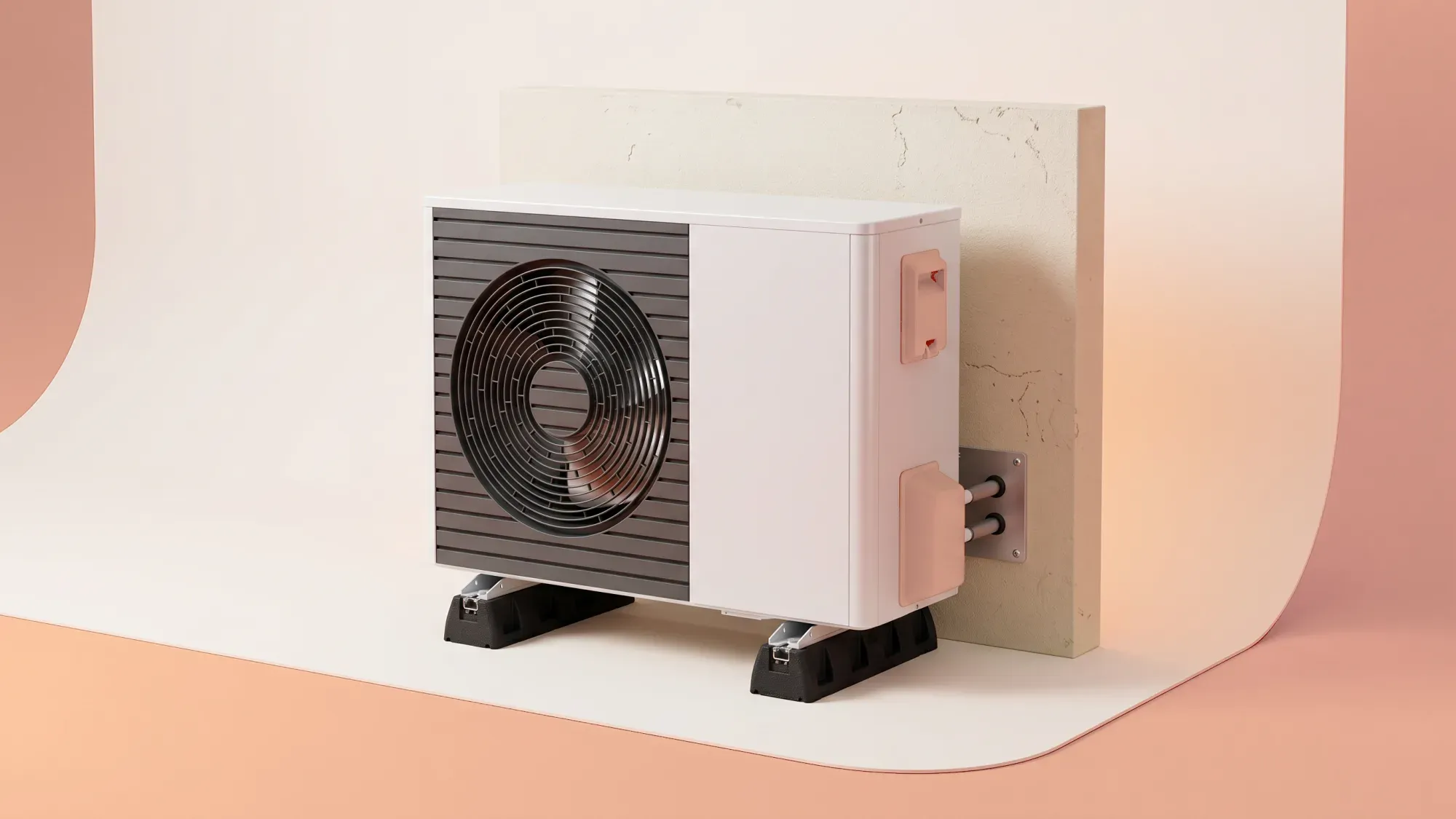
Heat pumps are highly efficient heating systems, and understanding their running costs is a key consideration for UK homeowners. Managing these costs can turn a significant household expense into an opportunity for savings. While electricity is generally more expensive per unit than gas, heat pumps can produce at least 3 kWh of heat for every 1 kWh of electricity consumed, making them a compelling choice for many homes.
Understanding heat pump efficiency
Heat pumps operate by transferring heat rather than generating it, which is why they are so efficient. This process allows them to deliver more energy than they consume.
How heat pumps work
Unlike traditional boilers that burn fuel, heat pumps extract existing heat from the outside air, ground, or water and transfer it into your home to provide heating and hot water. This process works even when outdoor temperatures are low, making them suitable for the UK climate. The electricity they use primarily powers the compressor and circulation pumps, not the direct generation of heat.
Coefficient of performance (CoP) explained
The efficiency of a heat pump is measured by its Coefficient of Performance (CoP), which is the ratio of heat output to electrical input at a specific moment. A CoP of 3, for instance, means the heat pump produces three units of heat for every one unit of electricity it uses. For a more comprehensive measure of annual performance, the Seasonal Coefficient of Performance (SCOP) is used, which accounts for varying temperatures and operating conditions throughout the year. Air source heat pumps can achieve efficiencies of 300% or more, meaning they generate at least 3 kWh of heat for every 1 kWh of electricity consumed.
Factors influencing heat pump running costs
Several variables contribute to the overall running cost of a heat pump system. Understanding these can help homeowners identify areas for optimisation.
Property insulation and size
The better insulated your home, the less heat will escape, and the less your heat pump will need to work to maintain a comfortable temperature. Larger properties naturally require more energy to heat, so their running costs will typically be higher. Upgrading insulation, sealing draughts, and ensuring efficient windows are crucial steps. For more ways to reduce your energy consumption, explore our energy saving tips for your home.
External temperature
Heat pumps work by extracting heat from the ambient air or ground. In colder weather, the system needs to work harder to extract the same amount of heat, which can slightly reduce its efficiency and increase electricity consumption. However, modern heat pumps are designed to operate effectively even in very low UK winter temperatures.
System design and installation quality
A properly sized and expertly installed heat pump system is vital for optimal efficiency. An undersized system will struggle to heat your home, while an oversized one may cycle on and off too frequently, both leading to inefficiencies. High-quality installation ensures the system is correctly configured and integrated with your home's heating distribution. When considering installation, it is recommended to use MCS and TrustMark certified third-party installers.
User behaviour and settings
Your heating habits significantly impact running costs. Maintaining a consistent, comfortable temperature rather than frequently turning the system on and off can be more efficient. Using smart thermostats and programming heating schedules to match your lifestyle can also lead to savings.
Electricity unit cost
The price you pay per unit of electricity is a direct factor in your running costs. Electricity unit rates can vary depending on your energy supplier and tariff. While electricity is generally more expensive per unit than gas, the high efficiency of heat pumps often offsets this difference.
Comparing heat pumps to gas boilers
The comparison between heat pump and gas boiler running costs is complex, primarily due to the difference in fuel prices and system efficiencies.
Historically, gas has been a cheaper fuel per unit than electricity. However, heat pumps are considerably more efficient than gas boilers. A modern condensing gas boiler might achieve around 90-95% efficiency, meaning it converts 90-95% of the gas it burns into heat. In contrast, a heat pump, with its 300%+ efficiency, delivers significantly more heat output per unit of energy input.
This high efficiency means that even with higher electricity unit costs, the overall running cost of a heat pump can be competitive with, or even lower than, a gas boiler, especially in well-insulated homes with optimised systems. The shift towards decarbonising the electricity grid also means that heat pumps offer a greener heating solution.
Optimising heat pump running costs
For UK homeowners, several strategies can help reduce and manage heat pump running costs effectively.
Improve home insulation
This is arguably the most impactful step. Loft insulation, cavity wall insulation, double or triple glazing, and draught-proofing all reduce heat loss, allowing your heat pump to operate less frequently and at lower power.
Utilise smart controls and thermostats
Smart thermostats learn your heating preferences and can be controlled remotely, ensuring you only heat your home when necessary. They can also integrate with your heat pump to optimise its operation based on external temperatures and your schedule. Consider a smart meter installation to get the most out of smart controls.
Regular maintenance
Like any heating system, regular servicing ensures your heat pump operates at peak efficiency. Annual checks by a qualified engineer can identify and address minor issues before they become costly problems.
Leverage smart tariffs
Choosing an energy tariff designed for high-consumption appliances like heat pumps can lead to significant savings. These tariffs often offer cheaper electricity during off-peak hours, allowing you to run your heat pump or charge your hot water cylinder when energy is less expensive. Fuse Energy's app and smart tariffs are designed to give you the capability to manage your energy and protect yourself from surprises and shocks, making energy abundant and manageable.
The future of heat pump running costs
The outlook for heat pump running costs in the UK is positive. As the electricity grid continues to decarbonise with increasing renewable energy sources, the environmental benefits of heat pumps will grow. Furthermore, advancements in smart home technology and energy management systems will offer even greater opportunities for optimisation.
The government's Boiler Upgrade Scheme (BUS) provides financial incentives for installing heat pumps. Grants of £7,500 are available for air source and ground source heat pumps. Households in England and Wales currently on heating oil can claim an uplifted £9,000 to move off the oil grid. You can learn more about the scheme in our article on what is the BUS. While Fuse Energy does not install heat pumps, we believe in a future with "power to play with" - where energy is so abundant it stops being a thing you think about. By making energy cheaper and more manageable, we aim to unlock a future where you can live fully and keep tomorrow.
Disclaimer
For the avoidance of doubt, this article is provided for informational purposes only and is not intended to constitute legal or financial advice. The author and/or Fuse Energy shall not be responsible for any losses arising out of any reliance on the information contained herein.