Heat pump installation costs and process
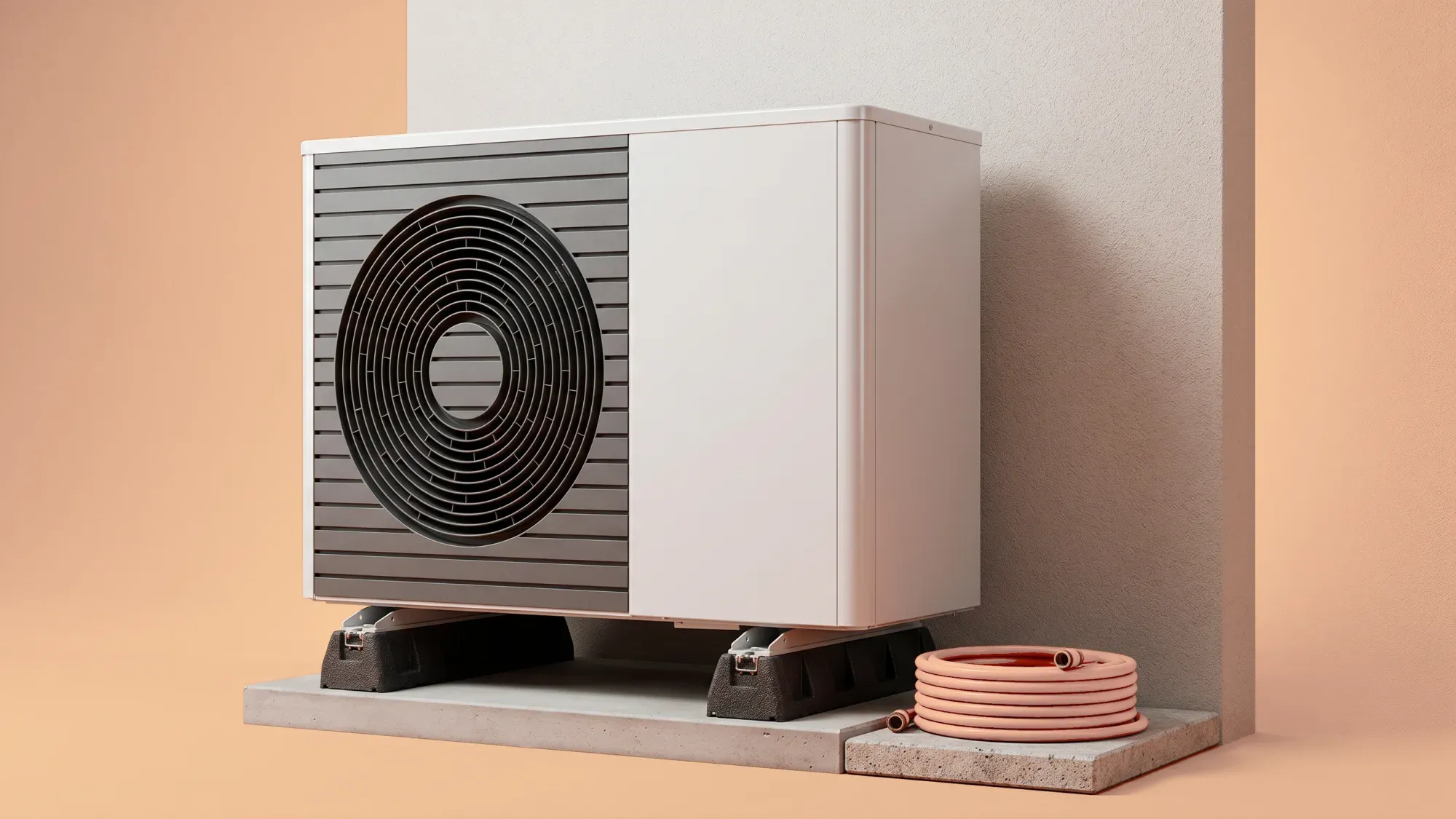
Installing a heat pump can significantly reduce your home's carbon footprint and heating bills, offering a path to more efficient and environmentally friendly heating. For UK homeowners, understanding the entire process, true costs, available grants, and long-term operational considerations is crucial for making an informed decision. This guide breaks down everything you need to know, from how heat pumps work to optimising their efficiency once installed.
Understanding heat pump installation
Heat pumps are a modern alternative to traditional boilers, offering a highly efficient way to heat your home and hot water. They work by moving heat rather than generating it, which makes them incredibly effective.
How heat pumps work
Unlike gas or oil boilers that burn fuel to create heat, heat pumps extract existing heat from the environment and transfer it into your home. This process works even in cold weather. For every 1 kWh of electricity consumed, air source heat pumps can produce 3 kWh or more of heat, achieving efficiencies of 300% or more, because they move existing heat from the outside air rather than burning fuel. This high efficiency translates directly into lower running costs compared to traditional heating systems.
Types of heat pumps: air source vs ground source
The primary distinction between heat pumps lies in their heat source:
- Air source heat pumps (ASHPs): These are the most common type in the UK. They extract heat from the outside air, even when temperatures drop significantly. ASHPs are generally easier and less disruptive to install, as they only require an outdoor unit.
- Ground source heat pumps (GSHPs): These systems draw heat from the ground using a network of buried pipes. While more complex and expensive to install due to the excavation required, they can offer slightly higher efficiency and more consistent performance because ground temperatures are more stable than air temperatures.
The choice between air source and ground source depends on factors such as your property's size, available outdoor space, and budget.
The heat pump installation process explained
Installing a heat pump is a multi-step process that ensures the system is correctly sized, fitted, and optimised for your home.
Initial home assessment and suitability
Before any installation begins, a qualified installer will conduct a thorough assessment of your home. This involves evaluating your property's insulation, existing heating system (radiators, pipework, hot water cylinder), and overall energy efficiency. Proper insulation is paramount, as a well-insulated home will maximise the heat pump's efficiency and minimise running costs. You can find more tips on improving your home's energy efficiency here. The installer will also determine the appropriate size and type of heat pump for your specific needs.
System design and planning
Based on the home assessment, the installer will design a bespoke heat pump system. This includes selecting the right heat pump unit, planning the layout for pipework, and ensuring compatibility with your existing heating infrastructure. They will also consider any necessary upgrades, such as larger radiators or a new hot water tank, which might be required for optimal performance.
Installation steps and commissioning
The physical installation typically takes approximately 2 to 3 days. This involves:
- Siting the outdoor unit: For air source heat pumps, the external unit is positioned in a suitable location.
- Connecting pipework: Refrigerant lines and water pipes are run to connect the outdoor unit to the indoor components.
- Electrical work: The system is wired into your home's electrical supply.
- Integration with existing system: The heat pump is connected to your radiators or underfloor heating and hot water cylinder.
- Commissioning: The system is thoroughly tested and configured to ensure it operates correctly and efficiently.
Post-installation checks and handover
Once installed, the system undergoes final checks to confirm everything is working as it should. The installer will then provide a detailed handover, explaining how to operate your new heat pump, its controls, and any maintenance requirements. They should also provide you with all relevant documentation, including warranties and certification.
Heat pump installation costs and grants
The upfront cost of a heat pump can be a significant investment, but various grants and financial incentives are available in the UK to help offset these expenses.
Average heat pump installation costs in the UK
Indicative UK air source heat pump installation figures typically range from £7,000 to £15,000 before grants. This range covers straightforward installations where existing heating infrastructure is compatible. More complex projects requiring substantial upgrades to radiators or insulation may cost more.
The Boiler Upgrade Scheme (BUS)
The Boiler Upgrade Scheme (BUS) is a key government initiative in England and Wales designed to encourage homeowners to switch to low-carbon heating systems. You can read more about the scheme here.
What is the standard BUS grant?
The standard BUS grant is £7,500 for both air source and ground source heat pumps. This grant helps reduce the upfront cost of installing a low-carbon heating system in eligible homes in England and Wales.
For households in England and Wales currently using heating oil, an uplifted grant of £9,000 is available to switch to a heat pump. This increased support aims to help rural homes move away from volatile fossil fuel prices. Your chosen MCS-certified installer will apply for the grant on your behalf, and the grant amount is then deducted directly from your installation quote.
Other potential financial support
Beyond the BUS, other potential financial support may be available, such as 0% VAT on heat pump installations, which can further reduce the net cost until March 2027. It's always worth discussing all available options with your installer.
Choosing a qualified heat pump installer
The efficiency and longevity of your heat pump system heavily depend on the quality of its installation. Choosing the right installer is therefore critical.
The importance of MCS and TrustMark certification
For your heat pump installation to be eligible for government grants like the BUS, your installer must be certified under the Microgeneration Certification Scheme (MCS). MCS certification ensures that installers meet rigorous standards for product quality and competence. Installers registered with TrustMark offer additional consumer protection and quality assurance, providing peace of mind. Always verify an installer's certifications before proceeding.
Key questions to ask potential installers
When obtaining quotes, ask installers about:
- Their MCS and TrustMark certifications.
- Their experience with heat pump installations in properties similar to yours.
- The specific heat pump models they recommend and why.
- What the quote includes (e.g., system design, installation, commissioning, necessary upgrades).
- Their aftercare and maintenance services.
- How they handle the BUS application process.
Finding reputable local installers
You can find reputable installers through the MCS website or by seeking recommendations from trusted sources. Obtaining multiple quotes allows you to compare costs, proposed systems, and service levels.
Maximising your heat pump's efficiency and savings
Installing a heat pump is the first step; optimising its operation is key to realising long-term savings and efficiency.
Understanding heat pump running costs
The running costs of a heat pump are influenced by several factors, including your home's insulation, the system's efficiency (its Coefficient of Performance or SCOP), and your electricity tariff. While heat pumps are highly efficient, electricity is typically more expensive per kWh than gas. This makes optimising usage crucial.
The role of smart energy tariffs
Smart energy tariffs can significantly reduce your heat pump's running costs. These tariffs often offer cheaper electricity rates during off-peak hours, allowing you to run your heat pump when energy is less expensive. By shifting a portion of your heat pump's operation to these periods, you can maximise your savings. Understanding what a smart meter is and how it works can help you take advantage of these tariffs.
Optimising with smart home energy management
Integrating your heat pump with smart home energy management systems can further enhance efficiency. These systems allow you to monitor, manage, and optimise your energy consumption in real-time. For instance, you can program your heat pump to operate during off-peak tariff windows or adjust its settings based on weather forecasts, ensuring your home is warm when needed without wasting energy. Fuse Energy focuses on helping homeowners with heat pumps optimise their energy supply through smart tariffs and real-time management via its app, ensuring cost-effective operation.
Long-term benefits and considerations
Beyond the immediate financial incentives and efficiency gains, heat pumps offer substantial long-term advantages.
Environmental impact and carbon reduction
Heat pumps play a vital role in reducing your home's carbon footprint. By extracting heat from renewable sources (air or ground) rather than burning fossil fuels, they significantly lower greenhouse gas emissions. This contributes to a cleaner environment and aligns with national decarbonisation goals.
Maintenance and aftercare for your heat pump
Like any heating system, heat pumps require regular maintenance to ensure optimal performance and longevity. Annual servicing by a qualified technician can help identify and address any issues early, preventing costly repairs and maintaining efficiency. Most installers offer maintenance plans as part of their aftercare services.
Disclaimer
For the avoidance of doubt, this article is provided for informational purposes only and is not intended to constitute legal or financial advice. The author and/or Fuse Energy shall not be responsible for any losses arising out of any reliance on the information contained herein.