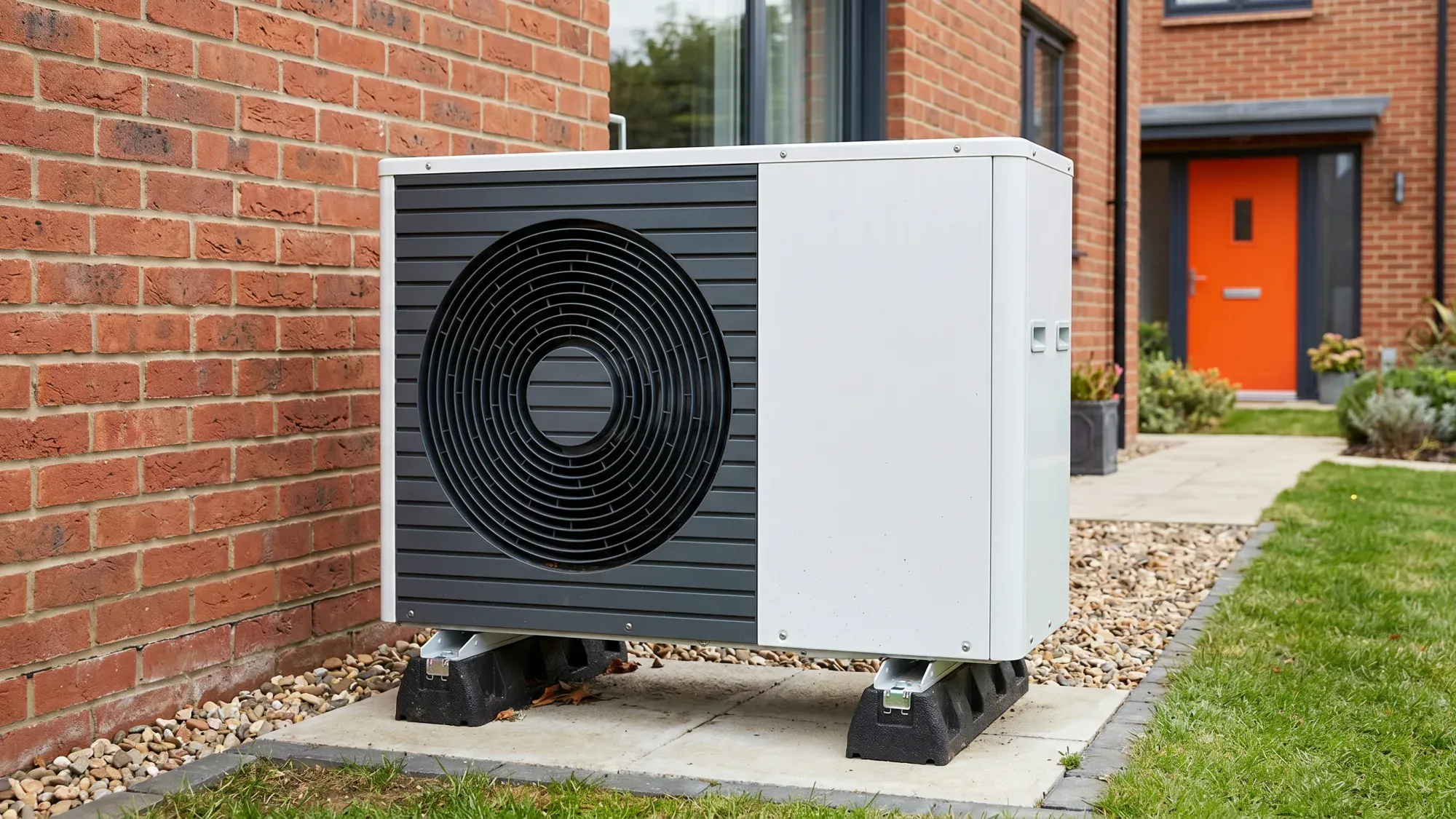
Investing in a heat pump for your home is a strategic move towards long-term energy independence. Understanding the financial outlay, available grants, and ongoing benefits is crucial for making an informed decision. This guide breaks down the costs involved, presenting heat pumps as an empowering investment rather than a sacrifice.
Understanding heat pump costs in the UK
Heat pumps offer an efficient way to heat your home, moving beyond traditional fossil fuel systems. While the upfront investment can be substantial, various factors influence the total cost, and significant government support is available to make them more accessible.
What is a heat pump and how does it work?
A heat pump transfers heat from one place to another using electricity. Unlike a boiler that generates heat by burning fuel, a heat pump extracts heat from the air, ground, or water outside your home and transfers it inside to warm your living spaces and provide hot water. This process makes them highly efficient, as they primarily move existing heat rather than creating it.
Air source vs ground source heat pump costs
The type of heat pump significantly impacts the overall cost. Air source heat pumps (ASHPs) are generally more common and less expensive to install. In the UK, the average air source heat pump installation typically costs between £7,000 and £15,000 before grants. Ground source heat pumps (GSHPs), while often more efficient, require extensive groundwork for installation, leading to higher costs, typically ranging from £15,000 to £30,000.
Breaking down heat pump installation costs
The total cost of a heat pump installation goes beyond the unit price. It encompasses several components, each contributing to the overall investment.
The heat pump unit itself
The heat pump unit is the core component of the system. Its cost varies based on the type (air source or ground source), brand, size, and heating capacity required for your property. Larger homes or those with higher heating demands will naturally require a more powerful, and thus more expensive, unit.
Installation labour and materials
Installation labour involves the expertise of MCS-certified engineers to correctly fit the heat pump, connect it to your existing heating system, and ensure optimal performance. Materials include pipework, wiring, and any necessary modifications to accommodate the new system. The complexity of the installation and the installer's rates will influence this portion of the cost.
System upgrades and property suitability
For a heat pump to operate at peak efficiency, your property may require upgrades. This often includes improving insulation, upgrading radiators to a larger size suitable for lower flow temperatures, or installing a new hot water cylinder. These additional costs are crucial for maximising the heat pump's effectiveness and ensuring comfortable indoor temperatures.
Factors influencing your heat pump price
Several variables can significantly affect the final price you pay for a heat pump system. Understanding these factors helps in budgeting and making an informed choice.
Property size and insulation levels
Larger properties generally require more powerful heat pumps, which are more expensive. Crucially, the better your home's insulation, the smaller and more efficient the heat pump can be, reducing both upfront and running costs. Poor insulation can necessitate a larger unit and lead to higher energy consumption.
Type of heat pump and system complexity
As noted, ground source heat pumps are more expensive due to the excavation required for ground loops. Air source heat pumps are simpler to install. The complexity of integrating the heat pump with your existing heating and hot water system, including any necessary pipework or electrical upgrades, will also impact the price.
Installer choice and regional variations
Prices can vary between different MCS-certified installers. Obtaining multiple quotes is essential to compare not only the cost but also the scope of work and the proposed system design. Regional variations in labour costs and demand can also play a role in the overall price.
Heat pump running costs and savings
While the upfront cost is a major consideration, the long-term running costs and potential savings are where heat pumps truly shine as a 'power play' for your home energy.
Comparing heat pump running costs to gas boilers
Air source heat pumps are highly efficient, typically converting one unit of electricity into three or more units of heat. This efficiency means they can offer significant savings on running costs compared to traditional gas boilers, especially as gas prices fluctuate. The exact savings depend on the heat pump's efficiency, your home's insulation, and your electricity tariff.
Impact of electricity tariffs and smart controls
The running cost of a heat pump is directly tied to the price of electricity. Opting for a smart electricity tariff, which offers cheaper rates during off-peak hours, can further reduce your operational expenses. Smart controls allow you to optimise your heat pump's operation, heating your home when electricity is cheapest and storing hot water for later use.
Long-term financial benefits
Over their lifespan, heat pumps can lead to substantial financial benefits. Beyond the direct savings on energy bills, they can increase your property's energy efficiency rating, potentially adding value to your home. This investment offers a degree of energy independence, shielding you from the volatility of fossil fuel markets.
Maintenance and lifespan of a heat pump
Understanding the ongoing maintenance and expected lifespan of a heat pump is key to assessing its overall value.
Typical annual servicing costs
Heat pumps are robust systems designed for longevity. Like any heating system, they benefit from regular maintenance. Typical annual servicing costs for a heat pump range from £150 to £300. This routine check-up ensures the system runs efficiently and helps prevent minor issues from becoming major problems.
Expected lifespan and warranty considerations
Heat pumps typically have a lifespan of 15-20 years, often outlasting traditional boilers. Many manufacturers offer warranties on their units, and installers often provide guarantees on their workmanship. It's important to understand these terms when making your purchase.
Addressing common repairs
While heat pumps are reliable, occasional repairs may be needed. Common issues are often minor, such as refrigerant leaks or electrical faults. Regular servicing can help identify and address these issues early, minimising disruption and repair costs.
Government grants and financial support
The UK government offers various schemes to encourage the adoption of low-carbon heating systems, significantly reducing the initial investment for homeowners.
The Boiler Upgrade Scheme (BUS)
The Boiler Upgrade Scheme (BUS) is a government initiative in England and Wales designed to help homeowners switch to low-carbon heating. It offers a grant of £7,500 towards the cost of installing an air source or ground source heat pump1. For qualifying off-gas-grid homes currently heated by oil or LPG, an enhanced grant of £9,000 is available from 21 July 2026. To be eligible, your installer must be MCS (Microgeneration Certification Scheme) certified, and the installer applies for the grant on your behalf.
What is the BUS?
The BUS is a UK government initiative in England and Wales providing grants to homeowners for installing low-carbon heating systems like heat pumps. It offers £7,500 towards the cost of an air source or ground source heat pump, with the installer applying for the grant on the homeowner's behalf.
VAT reduction on energy-saving materials
To further reduce the cost of installing heat pumps and other energy-saving materials, the UK government has zero-rated VAT on these installations until 31 March 2027. This means you will not pay the standard 20% VAT on the heat pump unit or its installation, leading to a significant saving on the overall project cost.
Local authority grants and other incentives
Beyond national schemes, some local authorities or energy companies may offer additional grants or incentives for installing heat pumps. It's worth checking with your local council or energy provider for any regional support that could further reduce your costs.
Is a heat pump a worthwhile investment?
Deciding whether a heat pump is right for your home involves weighing the upfront costs against the long-term benefits.
Calculating your potential payback period
The payback period for a heat pump, the time it takes for the energy savings to offset the initial investment, varies widely. Factors like the type of heat pump, the efficiency of your home, and the grants received all play a role. With government grants and long-term energy savings, many homeowners find the investment pays for itself over time.
Beyond savings: energy independence and control
While financial savings are a key driver, the value of a heat pump extends beyond pounds and pence. It represents a 'power play' for your home, offering greater energy independence and control over your heating. Reducing reliance on volatile fossil fuel prices provides psychological relief and freedom from energy anxiety, aligning with a future where energy is abundant and less of a concern.
Making an informed decision for your home
Choosing a heat pump is a significant step towards a more sustainable and cost-effective future for your home. By thoroughly researching costs, understanding available grants, and considering the long-term benefits, you can make an informed decision that empowers you with control over your energy future.
For the avoidance of doubt, this article is provided for informational purposes only and is not intended to constitute legal or financial advice. The author and/or Fuse Energy shall not be responsible for any losses arising out of any reliance on the information contained herein.