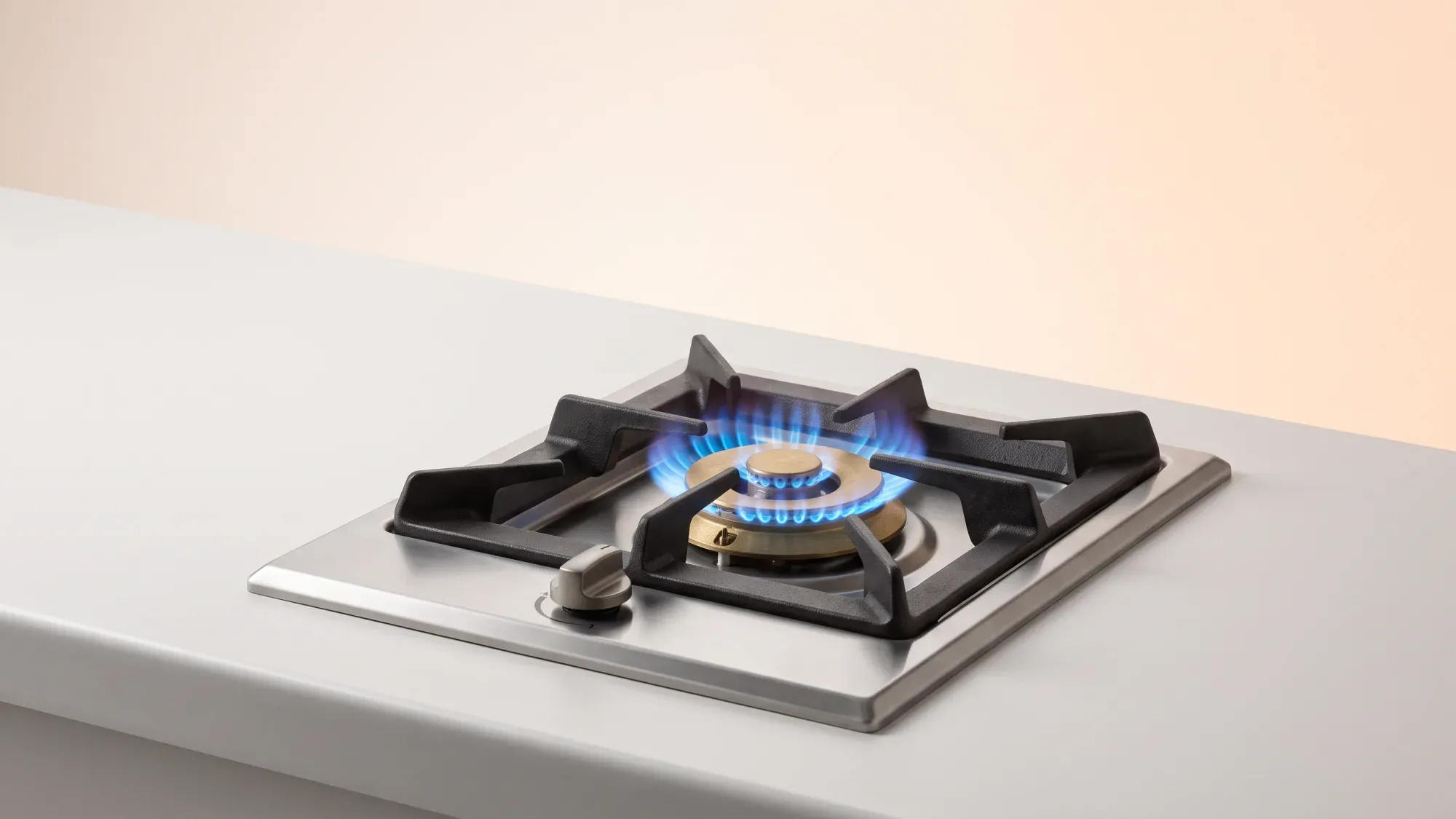
UK landlords have a legal obligation to ensure the gas appliances and flues in their rented properties are safe. This is a legal requirement designed to protect tenants from serious risks such as carbon monoxide poisoning and gas leaks. Understanding these responsibilities, the process for obtaining a gas safety certificate, and maintaining compliance is crucial for every landlord.
Ensuring your rental property is safe and compliant with gas safety regulations is paramount. While you focus on tenant safety, Fuse Energy can help simplify your home's energy management with clear pricing and smart tools. Click here to explore how Fuse Energy can support your residential energy needs.
A gas safety certificate, officially known as a Landlord Gas Safety Record, is written confirmation that a Gas Safe registered engineer has inspected all gas appliances, pipework, and flues in a property and found them safe to use at the time of the check. This document is commonly referred to as a CP12 certificate, a name that has persisted from the old CORGI reporting form.
Understanding the CP12 certificate
The CP12 certificate details each gas appliance checked, its condition, any defects found, and whether it is safe to use. It serves as documentary evidence that a qualified professional has assessed the gas installations against current safety standards.
Why it's essential for landlords
For landlords, the CP12 is more than just a piece of paper; it is a fundamental part of their legal duty to ensure tenant safety. Without a valid certificate, a property with gas appliances cannot be legally let. Failing to have one can invalidate landlord insurance policies and complicate tenancy notices.
The legal duties surrounding gas safety for landlords are clearly defined and strictly enforced.
The gas safety (Installation and use) regulations 1998
The Gas Safety (Installation and Use) Regulations 1998 are the cornerstone of gas safety law for rented properties in the UK. These regulations place specific duties on landlords to ensure that all gas appliances, fittings, and flues provided for tenants' use are maintained in a safe condition.
Who is responsible for gas safety?
Landlords are solely responsible for arranging annual gas safety checks and ensuring compliance with the regulations. This responsibility cannot be delegated entirely to a letting agent or assumed by the tenant. While a landlord is not responsible for gas appliances owned by the tenant, they remain responsible for the safety of any connecting flues or pipework.
Annual checks and their frequency
An annual gas safety check must be carried out on every gas appliance and flue in the rented property. This check must occur at intervals of no more than 12 months. The gas safety certificate (CP12) is valid for 12 months from the date of issue.
Since 2018, landlords can arrange the annual check up to two months before the existing certificate expires without losing any of the validity period. This "MOT-style" renewal allows for flexibility in scheduling while preserving the original anniversary date.
The gas safety check is a thorough inspection designed to identify any potential hazards.
Appliances covered by the check
The inspection covers all gas appliances provided by the landlord, including boilers, gas fires, gas cookers, and water heaters, as well as their associated flues and pipework.
The role of a gas safe registered engineer
All gas work in the UK, including safety checks, must be carried out by an engineer listed on the Gas Safe Register. The Gas Safe Register is the official gas safety organisation in Great Britain, replacing CORGI in 2009. Engineers carry an ID card with their unique 7-digit licence number, which can be verified on the Gas Safe Register website.
What to expect during the inspection
During the inspection, the engineer will:
- Check gas appliances for safe operation and correct pressure.
- Inspect flues and ventilation systems to ensure they are clear and functioning correctly.
- Check for gas leaks and ensure safety devices are working.
- Assess the condition of gas pipework.
If an appliance is found to be unsafe, the engineer will mark it as such on the certificate and may need to disconnect the gas supply until repairs are made.
Securing a qualified engineer and understanding the costs are practical steps for landlords.
Verifying engineer credentials
Before any work begins, always ask to see the engineer's Gas Safe ID card. This card confirms their registration and lists the types of gas work they are qualified to undertake. You can verify their credentials by checking their unique 7-digit licence number on the Gas Safe Register website or by calling their freephone helpline.
Factors influencing gas safety certificate cost
The cost of a gas safety certificate can vary based on several factors:
- Number of appliances: More gas appliances typically mean a higher cost, with additional charges per appliance.
- Property size: Larger properties may have more appliances or require more time for inspection.
- Location: Prices can be higher in major cities, particularly London and the South East, due to higher operating costs.
- Engineer/company: Rates can differ between individual engineers and larger companies.
Average costs for landlords
The average cost of a landlord gas safety certificate (CP12) in the UK typically ranges from £60 to £90. The average UK cost is around £80.
Compliance extends beyond the inspection itself to proper documentation and communication.
When to provide the certificate to tenants
Landlords must provide a copy of the valid gas safety certificate to new tenants before they move in. For existing tenants, a copy must be provided within 28 days of the inspection. This ensures tenants are aware of the safety status of their home's gas installations.
How long to keep records
Landlords are legally required to retain records of all gas safety checks for at least two years from the date of the check. It is often recommended to keep previous certificates as well, in case any queries arise.
Digital Record-keeping tips
Maintaining digital records can simplify compliance. Storing certificates securely online, perhaps integrated with property management software, allows for easy access and retrieval. Setting up digital reminders for renewal dates can also help ensure checks are booked within the two-month early renewal window, preventing any compliance gaps.
Failing to meet gas safety obligations carries severe penalties, but proactive measures can enhance safety beyond mere compliance.
Penalties for failing to comply
Failure to comply with gas safety regulations is a criminal offence. Penalties can include unlimited fines and up to six months' imprisonment on summary conviction. In the most serious cases, such as those involving injury or death due to neglect, landlords could face manslaughter charges. Non-compliance can also invalidate landlord insurance and make tenancy notices unenforceable.
Beyond the certificate: ensuring ongoing gas safety
While the annual certificate is mandatory, ongoing vigilance is key. Landlords should maintain gas appliances in safe condition throughout the tenancy, not just at the time of inspection. This includes responding promptly to tenant concerns and ensuring flues and ventilation systems remain clear.
Carbon monoxide alarms and tenant education
Installing carbon monoxide alarms in any room with a fixed combustion appliance (excluding gas cookers) is a legal requirement for landlords in England. Educating tenants on gas safety, including what to do in an emergency and how to recognise the signs of carbon monoxide poisoning, is also vital. This proactive approach fosters a safer living environment and demonstrates a landlord's commitment to their tenants' well-being.
Managing a rental property involves many responsibilities, and ensuring gas safety is one of the most critical. Just as you ensure your property is safe, Fuse Energy aims to make managing your home's energy simple and transparent. With clear pricing, in-app usage data, and 24/7 human support, we're here to help you stay on top of your energy bills. Switch to Fuse Energy today and experience a modern approach to energy supply. Click here to get started.