Understanding your domestic gas supply and costs
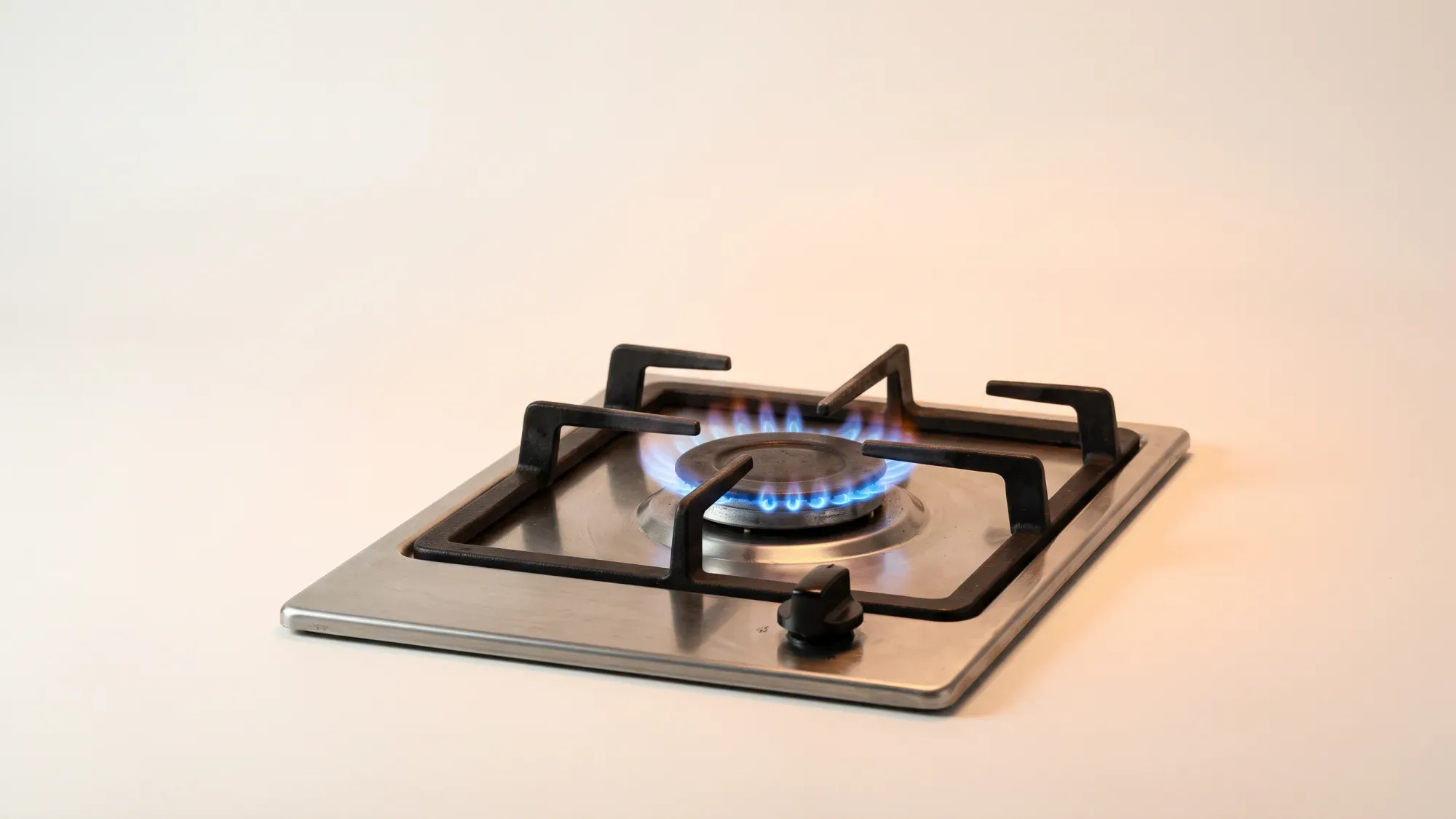
Domestic gas is a fundamental part of daily life for most UK households, powering heating and hot water. Understanding how your gas supply works, how it is measured, and how to manage its costs is crucial, especially with fluctuating energy prices. This guide empowers UK residents to understand and optimise their domestic gas usage, giving them control over their energy management.
Ready to take control of your gas supply? Fuse Energy offers transparent tariffs, smart digital tools, and 24/7 customer support to help you manage your domestic gas and electricity with ease. Click here to get started.
Enter your address to get a quote and see how much you could save
The journey of gas to your home
From source to meter
The gas that heats UK homes primarily consists of natural gas, delivered through an extensive national pipeline network. The UK's gas supply comes from a mix of domestic production, largely from the North Sea, and imports from various countries, including Norway and Qatar. This diversified supply helps ensure energy security for the nation. Once sourced, the gas travels through high-pressure transmission pipelines, then into lower-pressure distribution networks that deliver it directly to your street and, ultimately, to your meter.
How gas is measured and billed
Gas meters in the UK measure the volume of gas consumed in either cubic metres (m³) or cubic feet (ft³). This volume is then converted into kilowatt-hours (kWh) for billing purposes, allowing for a standardised comparison with electricity usage. Your bill reflects this kWh consumption, along with a daily standing charge, which covers the fixed costs of providing gas to your property, regardless of how much you use.
How is gas consumption converted to kWh?
Gas meters record usage in cubic metres (m³) or cubic feet (ft³). This volume is multiplied by a calorific value (energy content of the gas) and a conversion factor to arrive at the kilowatt-hours (kWh) used, which is the unit you are billed for. This standardises gas billing with electricity.
Managing your domestic gas costs
Understanding your gas bill
Your gas bill can often seem complex, but breaking it down reveals key components. It typically shows your total energy consumption in kWh, the unit rate you pay per kWh, and the daily standing charge. It will also detail any previous payments, outstanding balances, and the period the bill covers. Understanding these elements helps you track your usage and identify potential areas for savings.
Comparing tariffs and suppliers
One of the most effective ways to manage your gas costs is by regularly comparing tariffs and considering switching suppliers. The energy market offers various tariffs, including fixed-rate deals that lock in your unit price for a set period, and variable tariffs that can change with market conditions. Ofgem, the UK's energy regulator, sets a price cap for standard variable gas tariffs, which is reviewed and updated quarterly to reflect market conditions and protect consumers. Switching to a more competitive deal can lead to significant savings. Websites like Citizens Advice provide tools and advice for comparing energy deals and understanding your rights when switching1.
Finding your gas supplier
Knowing your current gas supplier is the first step if you want to compare tariffs or address billing queries. If you are unsure who supplies your gas, you can easily find out using the 'Find My Supplier' tool online. This free service, run by Xoserve on behalf of the gas industry, allows you to enter your postcode to identify your gas supplier and your Meter Point Reference Number (MPRN).
Improving gas efficiency in your home
Simple steps to reduce consumption
Reducing your gas consumption does not always require major overhauls. Simple changes can make a big difference. Turning down your thermostat by just one degree can reduce heating costs. Ensuring your home is well-insulated, draught-proofing windows and doors, and bleeding radiators regularly can improve heating efficiency. Even small habits, like taking shorter showers or only boiling the water you need, contribute to lower gas usage. The average UK home uses around 9,500 kWh of gas per year^[2,3], so even small percentage reductions can add up.
Smart meters and usage insights
Smart meters offer a clear view of your energy consumption, helping you understand how much gas you are using in near real-time. This insight can empower you to identify energy-intensive habits and make informed decisions to reduce your usage. Many smart meters come with in-home displays that show your consumption in pounds and pence, making it easier to track your spending and spot trends. Fuse's digital tools and 24/7 customer support provide transparency and control over energy usage, helping customers manage their gas supply effectively.
Boiler servicing and HomeCare
Regular maintenance of your gas boiler and other gas appliances is vital for both efficiency and safety. An inefficient boiler can waste a significant amount of gas, leading to higher bills. Annual boiler servicing by a Gas Safe registered engineer ensures your system runs optimally and identifies any potential issues before they become costly problems. While Fuse Energy supplies domestic gas and electricity, it does not offer specific gas appliance maintenance services, such as those provided by British Gas HomeCare.
Safety and security of your gas supply
Recognising and reporting gas leaks
Gas safety is paramount. Natural gas is odourised to give it a distinctive smell, often described as rotten eggs or sulphur, making leaks easier to detect. If you suspect a gas leak, you should immediately open windows and doors, turn off your gas supply at the meter, extinguish all naked flames, and avoid switching electrical appliances on or off. Then, contact the National Gas Emergency Service on 0800 111 999. Do not use your phone in the affected area.
Carbon monoxide safety
Carbon monoxide (CO) is a highly poisonous gas that has no smell, taste, or colour, making it very dangerous. It is produced when carbon-based fuels, like gas, do not burn properly. Faulty or poorly maintained gas appliances are a common cause of CO leaks. Installing an audible carbon monoxide alarm in your home is crucial for early detection and safety. Regularly servicing your gas appliances and ensuring proper ventilation can prevent CO build-up.
The UK's gas supply outlook
The UK government is actively pursuing strategies to enhance energy security, including diversifying gas sources and accelerating investment in renewable energy technologies. While gas remains a crucial part of the UK's energy mix for the foreseeable future, the long-term trend is towards a cleaner, more sustainable energy system. This shift aims to reduce reliance on fossil fuels and mitigate climate change, offering a more secure and environmentally friendly energy future.
Taking control of your energy future
Empowering your energy choices
Understanding your domestic gas supply and actively managing its costs and efficiency is an empowering act. By taking proactive steps - from monitoring usage with smart meters to comparing tariffs and ensuring appliance safety - you gain greater control over your household finances and environmental impact. This approach aligns with a vision of having 'power to play with' your energy, rather than simply being a passive consumer.
Beyond gas: a holistic approach
While this guide focuses on gas, managing your domestic energy holistically offers the greatest benefits. Integrating gas management with electricity usage, exploring renewable options, and considering smart home technologies can lead to a more efficient, cost-effective, and sustainable home energy system. Fuse Energy is committed to rebuilding the energy system from scratch, aiming to deliver cheaper, cleaner energy that benefits all aspects of domestic energy consumption. Fuse Energy supplies domestic gas and electricity to homes in England, Scotland, and Wales, providing transparent digital tools and 24/7 customer support to help you navigate your energy choices effectively.
Empower yourself with a clearer understanding of your energy. Visit Fuse Energy to explore how our approach to cheaper, cleaner energy can benefit your home. Click here to switch to Fuse Energy today. Find out about our mission by clicking here.
References
- Citizens Advice. Switching energy supplier
- Ofgem. Average gas and electricity use explained
- Ofgem. Review of typical domestic consumption values
Disclaimer
For the avoidance of doubt, this article is provided for informational purposes only and is not intended to constitute legal or financial advice. The author and/or Fuse Energy shall not be responsible for any losses arising out of any reliance on the information contained herein.