Fracking in the UK: status and future
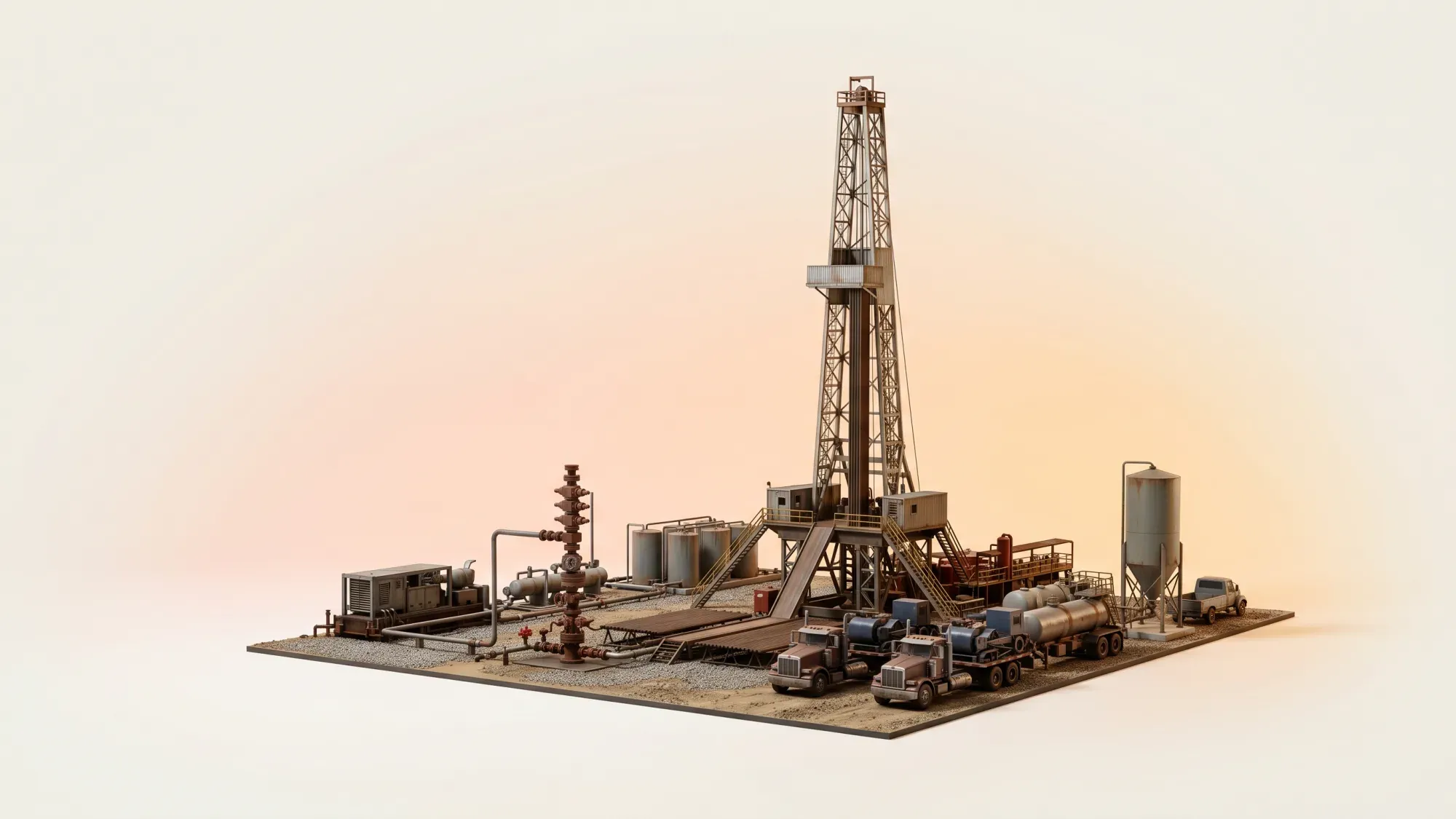
Fracking, or hydraulic fracturing, is a technique used to extract natural gas and oil from deep rock formations, primarily shale, by injecting high-pressure liquid to create fractures. The UK government imposed a moratorium on fracking in England in November 2019, effectively halting the practice due to concerns over induced seismicity, particularly after events near Blackpool. This decision followed years of public debate surrounding its environmental, social, and economic implications. While proponents once suggested fracking could bolster energy security and create jobs, analyses have questioned its economic viability in the UK, suggesting it is not competitive with other energy sources.
The challenges and controversies surrounding fracking highlight the urgent need for sustainable energy solutions. Fuse Energy is committed to building a future with abundant, clean energy, challenging the scarcity mindset that has often dominated energy discussions.
Thinking about Fracking in the UK? With Fuse Energy, you get clear pricing, real-time usage data, 24/7 human customer support, and a modern energy experience designed around you. Signing up takes just a few minutes, so you can take control of your bills from day one. Click here to switch to Fuse Energy today and start saving.
Enter your address to get a quote and see how much you could save
What is fracking?
Fracking, formally known as hydraulic fracturing, is a process designed to extract trapped natural gas and oil from impermeable rock formations, most notably shale. It involves drilling a well deep into the earth, often extending both vertically and horizontally into the shale rock. A mixture of water, sand, and chemicals is then pumped into the well at high pressure. This high-pressure fluid creates small cracks, or fractures, within the rock, allowing the trapped natural gas or oil to flow out and be collected.
The process of hydraulic fracturing
The hydraulic fracturing process begins with drilling a well, typically several kilometres deep, into shale rock formations. This often involves drilling vertically and then horizontally to maximise contact with the shale layer. Steel casings are inserted and cemented into the wellbore to create a barrier between the well and any underground freshwater sources. Once the well is prepared, a fluid, primarily water mixed with sand and a small percentage of chemicals, is injected at high pressure. The pressure fractures the rock, and the sand particles hold these new fissures open, creating pathways for the gas or oil to escape. The extracted gas or oil then flows back up the well, along with a portion of the injected fluid, known as 'flowback' wastewater. This wastewater can contain contaminants and requires treatment and careful disposal.
Shale gas extraction
Shale gas extraction specifically targets natural gas trapped within shale rock formations. These formations are typically found at significant depths, often thousands of meters below the surface. In the UK, areas like the Bowland-Hodder in north-west England, the Midland Valley in Scotland, and the Weald and Wessex Basins in southern England have been identified as having potential shale gas resources. However, the commercial viability of these reserves has been a subject of considerable debate, with estimates of recoverable gas varying widely and often being significantly lower than initial projections.
The history of fracking in the UK
Interest in hydraulic fracturing in the UK grew significantly from 2008 onwards, driven by the perceived success of shale gas extraction in the United States. This led to early exploration efforts and a push by some politicians to embrace shale gas as a means of enhancing energy independence.
Early exploration and development
The first high-volume hydraulic fracturing operation in the UK occurred in March 2011 at Cuadrilla Resources' Preese Hall-1 well near Blackpool, Lancashire. This initial exploration, however, was quickly met with challenges. The operations were halted due to seismic activity, which damaged the well casing. Despite these early setbacks, the government at the time expressed strong support for developing a shale gas industry, with Prime Minister David Cameron advocating for the UK to go "all out for shale" in January 2014.
Public concern and protests
From its early days, fracking in the UK faced significant public opposition. Local communities, particularly in areas like Lancashire and Sussex, organised protests against proposed drilling sites. Concerns centred on potential environmental damage, including water contamination, air pollution, and the risk of induced seismicity. The visual impact of industrial operations on the British countryside also fuelled protests. This public resistance played a crucial role in shaping the political landscape surrounding fracking.
Environmental and social impacts of fracking
The environmental and social impacts of fracking have been central to the debate in the UK. Concerns range from geological stability to the effects on local communities and the broader climate.
Induced seismicity and earthquakes
One of the most significant concerns associated with fracking is induced seismicity, or small earthquakes. The injection of high-pressure fluid into rock formations can trigger seismic events. This was a primary concern leading to the UK's fracking moratorium, particularly after events near Blackpool. A report by the Oil and Gas Authority (OGA) concluded that it was not possible to accurately predict the probability or magnitude of tremors caused by the practice, and that larger events could not be excluded, potentially causing unacceptable damage and disturbance.
Water contamination and usage
Fracking operations require significant volumes of water. This raises concerns about the strain on local water resources, especially in areas already facing water stress. There are also risks of groundwater contamination from the chemicals used in fracking fluid and from the flowback wastewater, which can contain dissolved minerals and other contaminants from the shale formation. Studies have found evidence of dissolved methane in drinking water wells associated with shale-gas extraction in other regions.
Greenhouse gas emissions
The climate impact of fracking is another major concern. While some proponents argue that natural gas burns cleaner than coal, the extraction process itself can release methane, a potent greenhouse gas, into the atmosphere. Fugitive methane emissions from wells and pipes contribute to climate change, and the overall energy intensity of extracting shale gas can be higher than conventional methods.
Local community effects
Beyond environmental concerns, fracking can have notable social impacts on local communities. These include increased noise and traffic from drilling operations and the transportation of equipment and wastewater. Residents near potential fracking sites have voiced concerns about potential health problems, including respiratory issues, and stress from the industrial activity. The industrialisation of rural landscapes is also a common point of contention.
The UK's stance on fracking
The UK's policy on fracking has evolved significantly, culminating in a moratorium that has effectively halted the practice.
The 2019 moratorium and ban
In November 2019, the UK government implemented a moratorium on hydraulic fracturing in England. This decision was based on scientific advice from the OGA, which concluded that it was not possible to predict the probability or magnitude of seismic events caused by fracking. The government stated it would not agree to any future fracking "until compelling new evidence is provided" that proves it could be safe. While briefly lifted in September 2022 amidst rising gas prices by Liz Truss, the moratorium was quickly reinstated in October 2022 by Rishi Sunak. Scotland and Wales also have moratoria in place against hydraulic fracturing.
Economic viability and energy security debates
The economic viability of fracking in the UK has been a subject of intense debate. Unlike the United States, which experienced a shale gas boom, the UK's geology is often described as more complex, with highly faulted and compartmentalised basins, making extraction more difficult and costly. Experts have suggested that it would take a long time to produce relatively small amounts of gas, and that any gas produced would be sold on international markets, meaning it would not necessarily bring down UK energy bills. Analysis indicates that increased UK gas production won't materially affect wholesale prices or reduce import reliance due to geological realities and international markets.
Current policy landscape
The current policy landscape in the UK maintains a strong presumption against issuing further hydraulic fracturing consents. Any future consideration of fracking would necessitate robust regulatory oversight and extensive public consultation. The government's stated intention is to ban fracking for good and focus on becoming a clean energy superpower.
Beyond fracking: a clean energy future for the UK
The challenges and controversies surrounding fracking underscore the urgent need for sustainable energy solutions. The UK's energy future is increasingly being shaped by a shift towards clean, renewable sources.
The shift to renewable energy
The UK is actively transitioning to renewable energy sources such as wind and solar power. This shift is driven by climate change targets, the desire for energy independence, and the decreasing cost of renewable technologies. Investment in large-scale solar farms and offshore wind projects is expanding the country's capacity for clean electricity generation. This move away from fossil fuels, including controversial methods like fracking, is seen as essential for achieving net-zero emissions and ensuring a stable, secure energy supply.
Building an abundant energy system
Instead of relying on extraction methods that carry environmental and social costs, the focus is now on building an energy system where clean power is abundant. This vision challenges the traditional scarcity mindset that has often dominated energy discussions, replacing it with the idea that energy can be plentiful and accessible without compromising the planet. Companies like Fuse Energy are working towards this future by investing in renewable generation and developing smart technologies that empower consumers, aiming to deliver the cheapest, cleanest energy possible. This approach directly addresses underlying energy security concerns with forward-looking solutions, making fossil fuel extraction methods like fracking obsolete.
Managing your home's energy should be clear and easy. Fuse Energy focuses on straightforward pricing, so you can see exactly what you're paying without unnecessary complexity. If you have a smart meter, you can view detailed usage data through the app or website, helping you understand how you can lower your bills. Our 24/7 human support team is always on hand with fast response times whenever you need help. Click here to switch to Fuse Energy today. Find out about our mission by clicking here.
Disclaimer
For the avoidance of doubt, this article is provided for informational purposes only and is not intended to constitute legal or financial advice. The author and/or Fuse Energy shall not be responsible for any losses arising out of any reliance on the information contained herein.