How much does laundry washing cost? 26.11p Per kWh
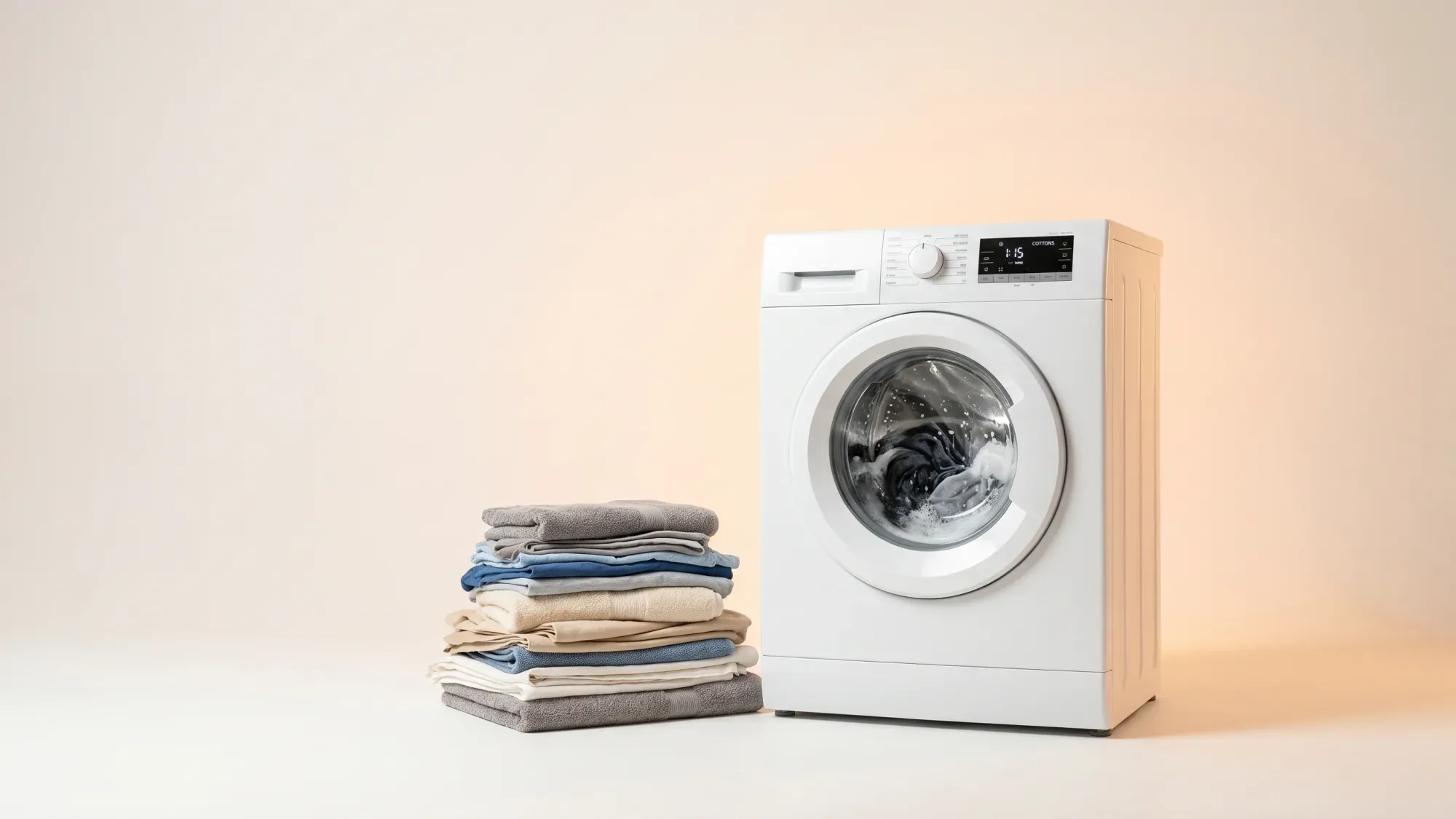
This guide empowers UK households to take control of their laundry energy consumption and costs, turning efficiency into a strategic advantage with the help of smart insights. With electricity priced at 26.11p per kilowatt-hour (kWh) under the Ofgem Price Cap from 1 July to 30 September 2026, understanding and optimising your washing machine's energy use is more important than ever.
Understanding your energy usage is key to managing your household budget. Fuse Energy offers clear pricing, real-time usage data, and 24/7 human customer support to help you make informed decisions about your energy consumption. Click here to switch to Fuse Energy today.
Enter your address to get a quote and see how much you could save
Understanding your washing machine's energy consumption
Knowing how much energy your washing machine uses is the first step to cutting down on costs. It is not just about the appliance itself, but how you use it.
The true cost of a laundry cycle
The cost of a single laundry cycle depends on several factors, including your machine's efficiency, the chosen wash temperature, and the cycle length. The average UK home uses around 2,500 kWh of electricity per year1, so even small savings on individual appliance use can add up significantly over time. For instance, a washing machine using around 0.5 kWh per cycle on a cold wash would cost approximately 13.06p per cycle at the 26.11p/kWh rate. Hotter washes, which require more energy to heat the water, will naturally cost more.
Decoding energy labels and ratings
When considering a new washing machine, energy labels provide a standardised measure of efficiency. These labels, mandated by UK and EU regulations, use an A-G rating system, with A being the most energy-efficient. The label also displays the energy consumption in kWh per 100 cycles, making it easier to compare models. A higher energy rating generally means lower running costs over the appliance's lifespan.
Choosing an energy-efficient washing machine
Investing in an energy-efficient washing machine can lead to long-term savings, but it is crucial to understand what features truly make a difference.
Key features for maximum savings
Modern energy-efficient washing machines often come with features designed to reduce energy and water consumption. Look for models with load-sensing technology, which adjusts water and energy use based on the weight of your laundry. High spin speeds (1400-1600 rpm) are also beneficial, as they extract more water from clothes, reducing drying time and the energy needed for tumble drying. "Eco" programmes are common, but their effectiveness can vary.
When to consider an upgrade
While a new machine can offer significant efficiency improvements, it is not always necessary to buy the latest model to save energy. If your current washing machine is old and inefficient (e.g., pre-2010 models), an upgrade to a modern A-rated appliance could lead to substantial savings. However, if your machine is relatively new, focusing on optimising your usage habits will likely yield greater immediate benefits. Energy-efficient washing machines are available across various price points, so you do not necessarily need to spend a fortune to get a good one.
Optimising your wash cycles for efficiency
The way you use your washing machine has a direct impact on its energy consumption. Small changes to your laundry routine can lead to noticeable savings.
Temperature matters: cold vs hot washes
One of the most effective ways to reduce energy use is by washing at lower temperatures. Washing at 30°C instead of 40°C can reduce energy consumption by up to 40%. Modern detergents are formulated to be effective at cooler temperatures, meaning your clothes will still get clean without the need for excessive heating. Opting for a cold wash whenever possible is an easy win for your energy bill.
Load size and cycle selection
Always try to run your washing machine with a full load. Underloading wastes water and energy, as the machine uses the same amount of resources for a half-empty drum as it would for a full one. Conversely, avoid overloading, as this can prevent clothes from getting properly clean and may require a re-wash, consuming more energy. Choose the shortest effective cycle for your laundry; a quick wash for lightly soiled items can save energy compared to a longer, more intensive programme.
The "Eco" button: what does it do?
Many washing machines feature an "Eco" button or programme. These cycles are designed to use less energy, primarily by heating water more slowly or using lower temperatures, and often by extending the wash time. While they take longer, they typically consume less electricity overall than standard programmes. It is a trade-off between time and energy, but often a worthwhile one for energy savings.
Leveraging off-peak hours and smart technology
Beyond the machine itself, when you run your washing machine can significantly impact your costs, especially with the rise of smart meters and variable tariffs.
Cheapest time to use your washing machine in the UK
For households on variable electricity tariffs, running a washing machine during off-peak hours can significantly reduce the cost per cycle. Off-peak hours, as defined by your specific tariff, offer cheaper electricity rates. Check your specific tariff details to identify these windows. Using a machine's delay start function can help you schedule washes to coincide with these cheaper periods.
How much can off-peak washing save?
The savings from off-peak washing depend on your specific variable tariff. Some tariffs offer rates significantly lower than the standard price cap during off-peak hours, potentially cutting the cost of a laundry cycle by half or more. This strategy is particularly effective for energy-intensive appliances like washing machines.
How smart meters and apps empower you
Smart meters provide real-time data on your energy consumption, allowing you to see exactly how much electricity your washing machine is using and when. Apps connected to your smart meter can further empower you by visualising this data, helping you identify peak usage times and the most expensive periods. By understanding your consumption patterns, you can adjust your laundry habits to align with cheaper off-peak rates, giving you greater control over your energy costs.
Beyond the machine: drying and maintenance tips
Your laundry routine extends beyond the wash cycle. Efficient drying and proper machine maintenance also play a crucial role in managing energy costs.
Efficient drying methods
Tumble dryers are among the most energy-intensive appliances. Whenever possible, air-dry your clothes outdoors or on an indoor drying rack. If you must use a tumble dryer, ensure it is fully loaded and consider using sensor drying programmes, which automatically stop when clothes are dry, preventing over-drying and wasted energy. High spin speeds in your washing machine will also reduce the energy needed for drying.
Keeping your machine in top condition
Regular maintenance can extend your washing machine's lifespan and ensure it runs efficiently. Clean the detergent drawer and filter regularly to prevent blockages and ensure optimal performance. Periodically run a maintenance wash (an empty, hot cycle with a descaler) to remove limescale and detergent build-up, which can affect efficiency.
Taking control of your laundry costs
Reducing your laundry energy costs is about more than just buying an efficient machine; it is about smart usage and leveraging available technology.
Real-time tracking for real savings
By combining an understanding of energy ratings, optimising wash cycles, and taking advantage of off-peak electricity, UK households can make significant savings. Real-time energy tracking through smart meters and associated apps provides the insights needed to make informed decisions, transforming energy efficiency from a chore into an empowering way to manage your household budget.
Managing your energy bills should be clear and easy to understand. Fuse Energy focuses on straightforward pricing, so you can see exactly what you are paying without unnecessary complexity. If you have a smart meter, you can view detailed usage data through the app or website, helping you understand how you can lower your bills. If you do not have a smart meter, Fuse Energy can upgrade your non-smart meter, completely for free. This can make it easier to track spending and make informed decisions about your energy use. Our 24/7 human support team is always on hand with fast response times whenever you need help. Click here to switch to Fuse Energy today. Find out about our mission by clicking here.
References
Disclaimer
For the avoidance of doubt, this article is provided for informational purposes only and is not intended to constitute legal or financial advice. The author and/or Fuse Energy shall not be responsible for any losses arising out of any reliance on the information contained herein.