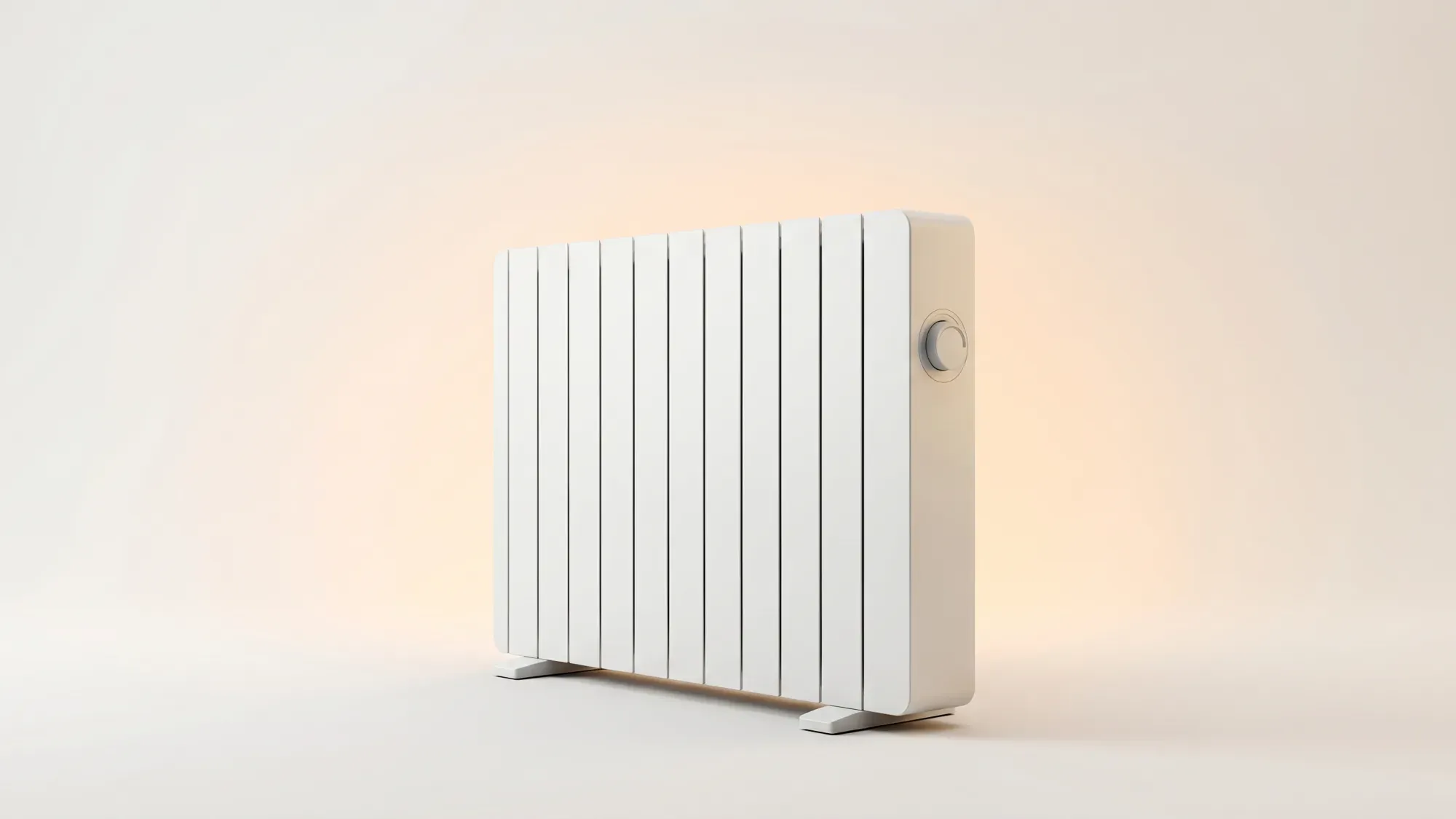
Making your home heating more efficient is a key goal for many, aiming to reduce energy bills and enhance comfort. This guide explores what truly defines an energy efficient electric heater and how smart technology can empower you to control your home's warmth effectively.
Looking to make your home heating more efficient? Fuse Energy offers clear pricing and smart tools to help you understand and manage your energy use. Click here to switch to Fuse Energy today.
The concept of 'efficiency' in electric heating is often misunderstood. It extends beyond the heater itself to encompass how effectively heat is managed and utilised within your home.
The truth about electric heater efficiency
Electric heaters are highly efficient at converting electricity into heat at the point of use, with many converting nearly 100% of the electricity they consume into warmth. However, true energy efficiency in heating comes from smart controls, good insulation, and optimising usage to match demand. The average unit rate for electricity on the Ofgem price-cap default tariff from 1 July to 30 September 2026 is 26.11p per kWh for Direct Debit customers. With the average UK home using around 2,500 kWh of electricity per year, understanding how to use electric heating wisely is crucial for managing costs.
Beyond the heater: the role of home insulation
An electric heater, regardless of its efficiency, can only perform optimally if your home retains heat effectively. Poor insulation or draughts can lead to significant heat loss. Prioritising effective home insulation and draught-proofing is fundamental to any heating system's performance. Addressing these issues first ensures that the heat generated by your electric heater remains where it is needed, preventing unnecessary energy waste and improving overall comfort. Overlooking these aspects can result in overheating rooms or heating unoccupied spaces, negating any potential energy savings from an 'efficient' heater.
Electric heaters are available in various forms, each offering distinct characteristics suitable for different heating requirements.
Convection heaters
Convection heaters function by warming the air, which then circulates throughout the room. They are generally effective for quickly heating a space due to their rapid heat distribution.
Oil-filled radiators
These heaters contain oil that is heated by an electrical element. The oil retains heat well, allowing the radiator to continue emitting warmth even after it is switched off. This makes them suitable for maintaining a steady temperature over time.
Ceramic heaters
Ceramic heaters use ceramic heating elements to generate warmth. They often incorporate fans to distribute heat quickly and are typically compact, making them a popular choice for supplementary heating in smaller areas.
Infrared panel heaters
Infrared panel heaters emit radiant heat, directly warming objects and people in a room rather than the air. This can create a comfortable warmth similar to natural sunlight and can be particularly effective in areas with high ceilings or where direct, localised heating is preferred.
The true energy-saving potential of an electric heater often lies in its control features.
Advanced thermostats and timers
Heaters equipped with advanced thermostats can maintain a precise temperature, preventing overheating and ensuring comfort without waste. Integrated timers allow you to program heating schedules, ensuring your heater operates only when needed, aligning with your daily routine.
Smart controls and app integration
Smart controls, often accessible via smartphone apps, offer unparalleled convenience and efficiency. These features enable you to remotely adjust settings, monitor energy use, and even integrate your heating with other smart home devices. This level of control helps you avoid heating an empty home and ensures you only use energy when necessary.
Zoned heating capabilities
Zoned heating involves heating specific areas or rooms independently. Many modern electric heaters offer this capability, either through individual controls or as part of a larger smart home system. By focusing heat only where it is required, you can significantly reduce energy consumption compared to heating your entire home.
Smart energy management leverages data and technology to make informed decisions about your heating.
Leveraging smart meter data for insights
Smart meters provide granular, real-time data on energy consumption, allowing homeowners to monitor the actual impact of their heating choices. This data can be accessed through energy monitoring apps, offering insights into how much electricity your heaters are using and when. By understanding these patterns, you can identify opportunities to reduce waste and optimise your heating schedule.
Scheduling and remote control for power saving
With smart technology, you can set precise heating schedules that adapt to your lifestyle. Remote control capabilities mean you can turn heaters on or off, or adjust temperatures, from anywhere, ensuring your home is warm when you arrive but not wasting energy when you are out. This level of control helps you achieve genuine power saving by matching heating to occupancy.
Understanding your energy consumption patterns
By regularly reviewing your energy usage data, you can pinpoint peak consumption times and identify which activities or appliances contribute most to your energy bill. This understanding allows you to adjust your heating behaviour, perhaps by pre-heating rooms during off-peak hours (if you have a time-of-use tariff) or by reducing temperatures when you are typically out of the house.
Achieving long-term savings and comfort with electric heating involves a combination of smart choices and ongoing optimisation.
Strategic placement and usage tips
Proper placement of your electric heater can significantly impact its effectiveness. Position heaters away from draughts and ensure they are not obstructed by furniture or curtains, which can absorb heat. Use them to supplement your central heating in specific rooms, rather than attempting to heat your entire home with them.
Combining with other home energy improvements
Electric heating works best as part of a holistic approach to home energy management. Alongside good insulation and draught-proofing, consider other improvements such as double glazing or upgrading to more energy-efficient appliances. Exploring options like an air source heat pump for improved efficiency or understanding the running costs of an air source heat pump can further reduce your overall energy demand, making your electric heating even more effective and affordable.
Long-term savings and comfort
By embracing smart controls, monitoring your energy usage, and making continuous adjustments, you can enjoy a comfortable home without the anxiety of high energy bills. The ability to understand and control your heating consumption empowers you to make genuinely energy-saving choices, aligning with a vision of comfortable homes and manageable energy costs.
Managing your home's energy should be straightforward and rewarding. Fuse Energy provides clear pricing, real-time usage data through our app, and 24/7 human customer support to help you take control of your energy bills. Our smart approach to energy means you can make informed decisions about your heating and overall consumption. Click here to switch to Fuse Energy today and discover a smarter way to power your home. You can also learn more about our mission to create abundant energy by clicking here.