Electric car tax changes explained
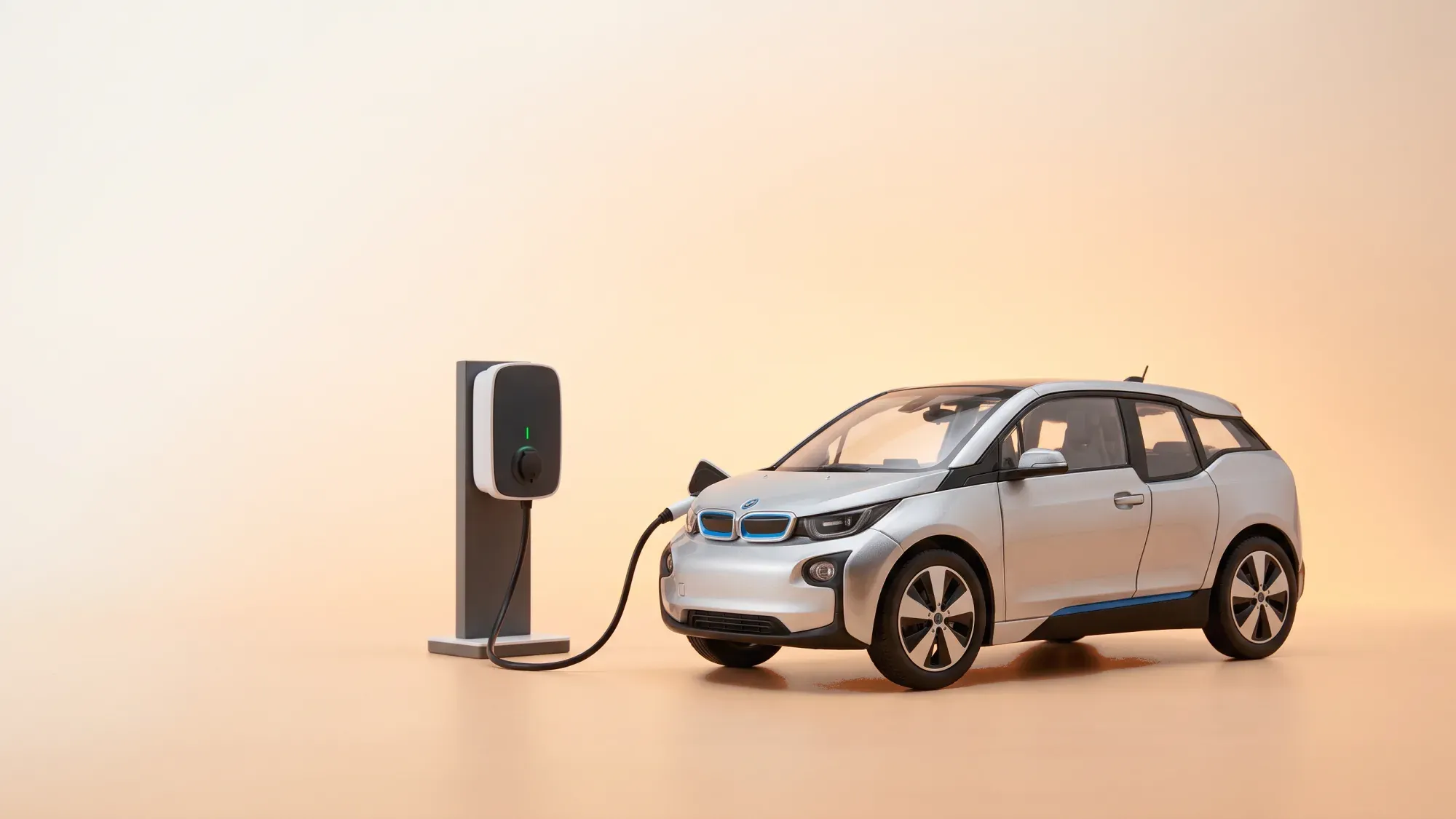
Electric vehicle (EV) owners in the UK are facing significant changes to vehicle taxation, moving away from previous exemptions. These updates will affect both new and existing electric cars, impacting running costs and financial planning. Understanding these changes is crucial for current and prospective EV owners. This guide breaks down the upcoming tax landscape and explores how smart home energy solutions can help manage overall costs.
The evolving tax landscape for electric vehicles means that managing your home charging effectively is more important than ever. Fuse Energy offers clear pricing and smart tools to help you keep your energy costs down. Click here to see how Fuse can help you manage your home energy.
Enter your address to get a quote and see how much you could save
Current electric vehicle tax exemptions
For many years, owning an electric vehicle in the UK came with the notable benefit of tax exemptions, designed to encourage the adoption of greener transport.
Vehicle Excise Duty (VED)
Historically, electric vehicles have been exempt from Vehicle Excise Duty (VED), often referred to as "road tax". This exemption applied because EVs produce zero tailpipe emissions, aligning with government incentives for low-Emission vehicles.
Benefit in Kind (BiK) for company cars
Company car drivers choosing electric vehicles have also enjoyed significantly lower Benefit in Kind (BiK) tax rates compared to petrol and diesel alternatives. BiK is a tax on employees who receive perks from their employer in addition to their salary, with a company car being a common example. The BiK rate for electric cars was 2% in April 2025 and is set to rise to 4% for the 2026/27 tax year, which is substantially lower than the rates for conventional vehicles. This low rate has made company electric cars a financially attractive option.
Upcoming tax changes for electric cars
The landscape for EV taxation is set to shift considerably in the coming years, bringing electric vehicles more in line with petrol and diesel cars.
VED changes from April 2025
From 1 April 2025, newly registered electric vehicles are no longer exempt from VED. New EVs registered on or after this date will pay a first-year rate of £10. After the first year, they will then pay the standard annual rate of £190.
VED for existing EVs from April 2026
All existing electric vehicles will become subject to VED from 1 April 2026. For most electric cars registered between 1 April 2017 and 31 March 2025, the standard annual rate of VED will be £190 from April 2026. EVs registered before April 2017 will pay a reduced rate of £20 per year.
Expensive car supplement
The 'expensive car supplement', also known as luxury car tax, will apply to electric vehicles. While previously exempt, from 1 April 2025, EVs with a list price over £40,000 became subject to this supplement. However, this threshold was increased to £50,000 for zero-Emission cars from 1 April 2026, applying retrospectively to EVs registered from April 2025 onwards.
The supplement itself is £410 per year. It applies for five years, starting from the second year of the vehicle's registration. This means a high-Value EV could incur a total annual VED of £600 (£190 standard rate + £410 supplement) during this five-year period.
Understanding your future EV running costs
The upcoming tax changes mean a more detailed look at the total cost of EV ownership is necessary.
Calculating your annual VED
For most electric cars registered after 1 April 2017, the annual VED will be £190 from April 2026. If your EV had a list price over £50,000 when new and was registered on or after 1 April 2025, you will also pay the £410 expensive car supplement for five years, bringing the total to £600 annually for those years.
What is VED?
VED is the official term for the annual tax paid on most vehicles used or kept on public roads in the UK. Often referred to as "road tax", the revenue from VED is not ringfenced for road maintenance but contributes to general government funds. The amount payable depends on factors such as the vehicle's age, list price, and CO2 emissions.
Impact on company car drivers
While BiK rates for electric cars are set to increase gradually, they remain significantly lower than for petrol and diesel vehicles. For 2026/27, the EV BiK rate is 4%, rising to 5% in 2027/28, 7% in 2028/29, and 9% in 2029/30. This means that even with rising VED, company electric cars continue to offer considerable tax savings.
Other costs to consider (ULEZ, Congestion charge)
Beyond VED and BiK, EV owners in certain areas, particularly London, need to factor in charges like the Ultra Low Emission Zone (ULEZ) and the Congestion Charge.
Fully electric vehicles remain exempt from ULEZ charges across all London boroughs because they produce zero tailpipe emissions.
However, electric cars are no longer fully exempt from the London Congestion Charge. Since 2 January 2026, electric vehicles pay a discounted daily rate if registered for Auto Pay. For electric cars, this means a 25% discount on the daily charge, bringing it to £11.25 instead of the standard £15.
Strategies for managing EV running costs
As direct vehicle taxes increase, proactive management of other running costs becomes even more important for EV owners.
Optimising home charging with smart tariffs
One of the most significant running costs for an EV is charging. The average UK home uses around 2,500 kilowatt-hours (kWh) of electricity per year, according to Ofgem's medium Typical Domestic Consumption Value (TDCV) effective from 1 July 2026. For EV owners, this figure will be considerably higher. By using smart home energy solutions, you can significantly reduce your charging expenses. Smart tariffs, for instance, offer cheaper electricity rates during off-peak hours, typically overnight. Charging your EV during these periods can substantially lower your overall energy bill, offsetting the impact of increased taxes. Understanding your energy bill is key to identifying savings.
The role of EV charger installation
Installing a dedicated EV charger at home, such as the Easee One offered by Fuse, allows you to take full advantage of smart tariffs and convenient charging. A home charger provides faster, more reliable charging than a standard three-pin plug, and often comes with smart features that let you schedule charging for the cheapest times. Fuse offers the Easee One charger including installation for £899, which includes full installation and a 3-year warranty. You can find more details in our EV charger installation guide.
Planning for long-term savings
To adapt to the evolving tax landscape, consider these long-term strategies:
- Monitor your mileage: While not yet universally implemented, a pay-per-mile tax (eVED) is scheduled to begin in April 2028 for EVs, charging 2p per mile in addition to VED. This will add approximately £160 annually for a typical driver covering 8,000 miles. Understanding your annual mileage will be key to forecasting this cost.
- Review tariffs regularly: Energy tariffs, especially smart ones, can change. Regularly checking for the best deals for your charging habits can ensure you're always paying the lowest possible price for your electricity. Consider a smart meter installation to unlock smart tariff benefits.
- Consider total cost of ownership: When buying an EV, look beyond the purchase price to include VED, potential expensive car supplements, insurance, and charging costs.
Managing your energy bills and EV charging costs effectively can help offset the impact of these new taxes. Fuse Energy is committed to providing transparent pricing and smart solutions that put you in control of your energy usage. With our easy-to-use app, you can track your consumption and access support whenever you need it.
Frequently asked questions about EV tax
Will all EVs pay the same tax?
No, the amount of VED an EV pays depends on its registration date and, for higher-Value vehicles, its original list price. New EVs registered from 1 April 2025 pay £10 in the first year, then £190 annually. EVs registered between 1 April 2017 and 31 March 2025 pay £190 annually from April 2026. Older EVs registered before April 2017 pay £20 annually. Additionally, the expensive car supplement applies to EVs with a list price over £50,000, adding £410 per year for five years.
Is there a "pay-per-mile" tax for EVs?
Yes, a pay-per-mile tax, officially known as Electric VED (eVED), is scheduled to begin in April 2028. Fully electric cars will pay 2p per mile, while plug-in hybrids will pay 1p per mile. This will be in addition to the standard VED. Drivers will typically self-report their mileage, which may be checked during annual MOTs.
How do I check my vehicle's tax band?
You can check your vehicle's tax band and current VED rate on the official GOV.UK website. The amount you pay depends on the vehicle's type and when it was first registered.
Disclaimer
For the avoidance of doubt, this article is provided for informational purposes only and is not intended to constitute legal or financial advice. The author and/or Fuse Energy shall not be responsible for any losses arising out of any reliance on the information contained herein.