Double glazing condensation: causes and prevention
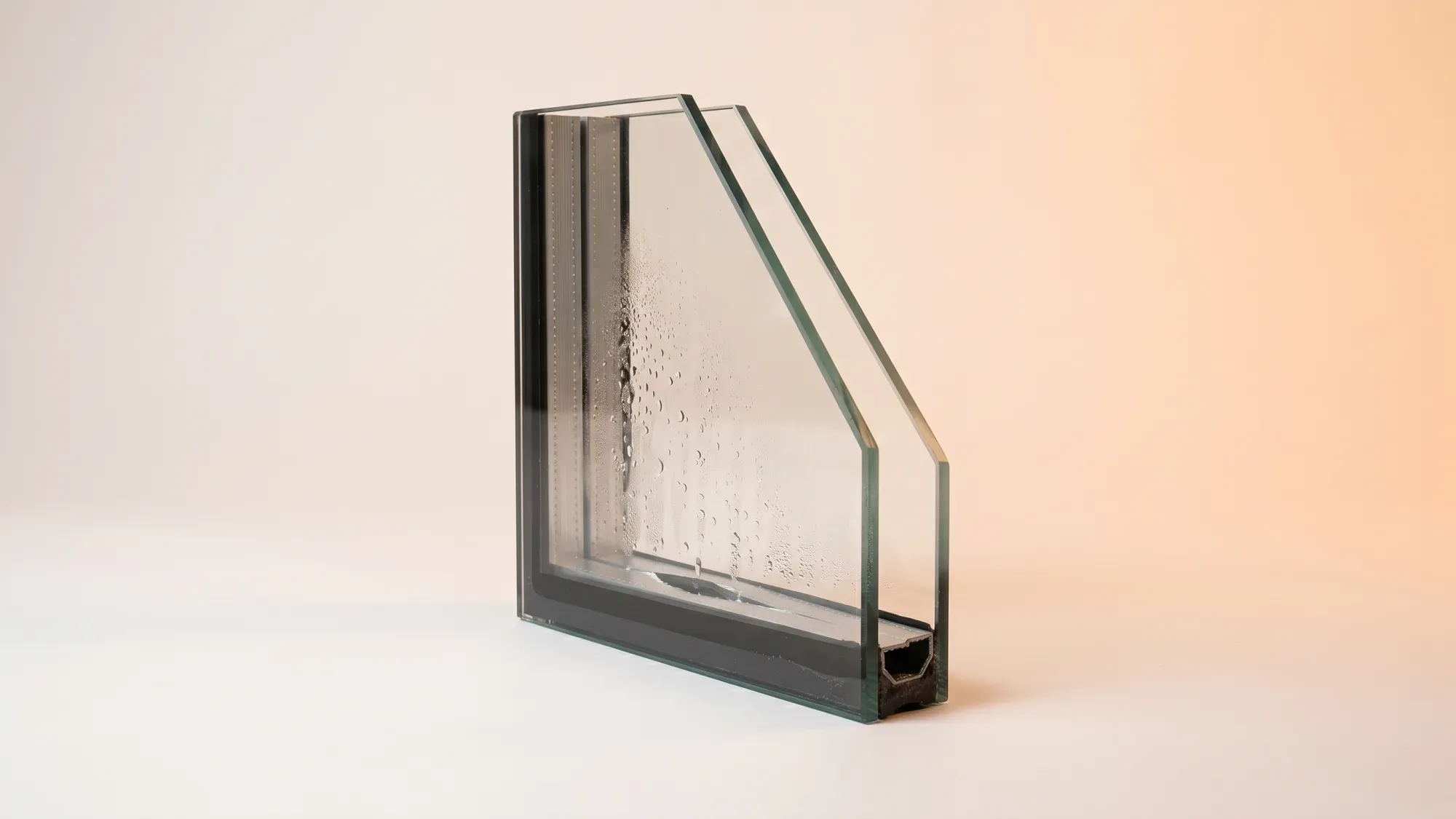
Condensation on double-glazed windows is a common household issue, often indicating an imbalance in your home's environment rather than a fault with the windows themselves. Addressing it effectively can improve home comfort, prevent potential damage, and even reduce energy bills. This guide explains why condensation forms, its different types, and practical steps you can take to manage it.
Understanding how your home uses energy is key to managing issues like condensation. Fuse Energy helps you monitor and optimise your energy usage, which can directly influence heating and ventilation strategies for a more comfortable home. Click here to switch to Fuse Energy today.
Enter your address to get a quote and see how much you could save
Understanding condensation on double glazing
What is condensation?
Condensation occurs when warm, moist air comes into contact with a colder surface, causing the water vapour in the air to cool rapidly and turn back into liquid droplets. This process is governed by the dew point, which is the temperature at which air becomes saturated with water vapour and condensation begins to form.
Why double glazing helps (and why it doesn't always stop it)
Double glazing is designed to reduce heat transfer through windows. It consists of two panes of glass separated by a sealed gap, often filled with an inert gas like argon. This creates an insulating barrier, keeping the inner pane of glass warmer than a single-glazed window and significantly reducing heat loss by up to 50% compared to single glazing. While double glazing is highly effective at preventing internal condensation by keeping the interior glass surface above the dew point, it doesn't eliminate all forms of condensation, particularly if indoor humidity is high or if the sealed unit fails.
Types of condensation and their meanings
Condensation can appear in different locations on your windows, each indicating a distinct cause.
Internal condensation (inside your home)
This is the most common type of condensation and appears on the inside surface of your windows. It's usually a sign of high humidity levels within your home. While often harmless, persistent internal condensation can lead to mould growth, damp, and damage to window frames or nearby decor if left unaddressed.
External condensation (outside your window)
When you see condensation on the outside of your double-glazed windows, it's generally a positive sign that your windows are performing well. This occurs when the outer pane of glass is colder than the outside air, often on clear nights with high humidity. It means your double glazing is effectively insulating your home, keeping the warmth inside and preventing the outer pane from being heated by your indoor environment. This is a natural phenomenon and nothing to worry about.
Condensation between panes (sealed unit failure)
Condensation appearing between the two panes of glass in a double-glazed unit is a clear indicator of a sealed unit failure. This means the seal around the edge of the unit has broken, allowing moist air to enter the gap. Once the seal is compromised, the insulating gas can escape, and the unit's thermal performance is significantly reduced. This type of condensation cannot be wiped away and typically requires professional repair or replacement of the sealed unit.
Common causes of internal condensation
Internal condensation is primarily a symptom of excess moisture in your home combined with inadequate ventilation and temperature control.
High indoor humidity
Our daily activities generate a significant amount of water vapour. A typical UK home can generate around 10-15 litres of water vapour daily. Activities such as cooking, showering, drying clothes indoors, and even breathing contribute to indoor humidity. If this moisture has nowhere to go, it accumulates, leading to high indoor humidity. Indoor relative humidity levels between 40-60% are generally recommended for comfort and to minimise condensation.
Insufficient ventilation
Modern homes are often well-sealed for energy efficiency, which is great for retaining heat but can trap moisture indoors. Without adequate ventilation, moist air cannot escape, and fresh, drier air cannot enter. This creates a stagnant, humid environment ripe for condensation.
Temperature differences and cold spots
Condensation forms on the coldest surfaces. Even with double glazing, windows will naturally be cooler than the surrounding walls. If your home has inconsistent heating, or if certain areas are significantly colder, these "cold spots" become prime locations for condensation to form.
Daily household activities
Everyday life contributes significantly to indoor humidity. Cooking without extractor fans, taking long hot showers, boiling kettles, and drying laundry on radiators all release substantial amounts of water vapour into the air. Even houseplants and pets contribute to the moisture load.
Practical solutions for preventing internal condensation
Managing internal condensation involves a multi-pronged approach focusing on ventilation, humidity control, and heating.
Improve ventilation
Effective ventilation is crucial for removing moist air.
- Open windows: Even a small crack for 10-15 minutes a few times a day can make a big difference, especially after activities that generate a lot of moisture.
- Use extractor fans: Always use extractor fans in bathrooms and kitchens when showering, bathing, or cooking. Ensure they are clean and functioning correctly.
- Trickle vents: If your windows have trickle vents, keep them open to allow a continuous, low level of airflow.
- Avoid blocking vents: Don't block air bricks or other intentional ventilation points in your home.
Manage indoor humidity
Reducing the amount of moisture generated indoors is key.
- Dry clothes outdoors: Whenever possible, dry laundry outside or in a well-ventilated room with a window open.
- Cover pans when cooking: This reduces the amount of steam released into the air.
- Close bathroom doors: Keep bathroom doors closed when showering or bathing to contain moisture.
- Dehumidifiers: While not a standalone solution, a dehumidifier can help reduce humidity levels in particularly damp areas.
Optimise heating
Maintaining a consistent, moderate temperature throughout your home can help prevent cold spots.
- Consistent heating: Avoid extreme temperature fluctuations. Keeping your home at a steady, comfortable temperature (e.g., at least 18°C) can keep window surfaces warmer and above the dew point.
- Don't overheat: Overheating can lead to more significant temperature differences when the heating is turned off, potentially worsening condensation.
Behavioural changes
Small changes in daily habits can have a big impact.
- Arrange furniture: Avoid placing large items of furniture directly against external walls, as this can create cold spots and restrict air circulation.
- Wipe down surfaces: Regularly wipe away any condensation that forms on windows or sills to prevent mould growth.
- Check for leaks: Ensure there are no hidden leaks in your plumbing or roof that could be contributing to excess moisture.
When to seek professional help
While many condensation issues can be resolved with home management, some situations warrant professional assessment.
Addressing condensation between panes
If you observe condensation between the panes of your double-glazed windows, the sealed unit has failed. This is not something you can fix yourself. You will need to contact a window specialist to assess whether the sealed unit can be replaced or if the entire window needs to be changed.
Consulting a home energy expert
If you've tried various methods to reduce internal condensation and are still struggling, or if you're concerned about the overall energy efficiency of your home, consulting a home energy expert can be beneficial. They can conduct a thorough assessment of your home's ventilation, insulation, and heating system.
Addressing condensation through energy-efficient practices helps prevent heat loss and mould, contributing to a healthier home and potentially lower energy bills, reducing the 'fear of the bill'. Fuse Energy does not offer window repair or replacement services, but provides expert advice on home energy management to mitigate condensation. The Fuse app can help customers monitor and optimise their energy usage, which is directly linked to heating and ventilation strategies for condensation prevention.
Managing your home's energy should be straightforward and clear. Fuse Energy offers transparent pricing, real-time usage data through the app, and 24/7 human customer support to help you understand and control your energy consumption. Switching to Fuse is quick and easy, allowing you to take charge of your bills and work towards a more energy-efficient home. Click here to switch to Fuse Energy today.
Disclaimer
For the avoidance of doubt, this article is provided for informational purposes only and is not intended to constitute legal or financial advice. The author and/or Fuse Energy shall not be responsible for any losses arising out of any reliance on the information contained herein.