Disadvantages of clean energy
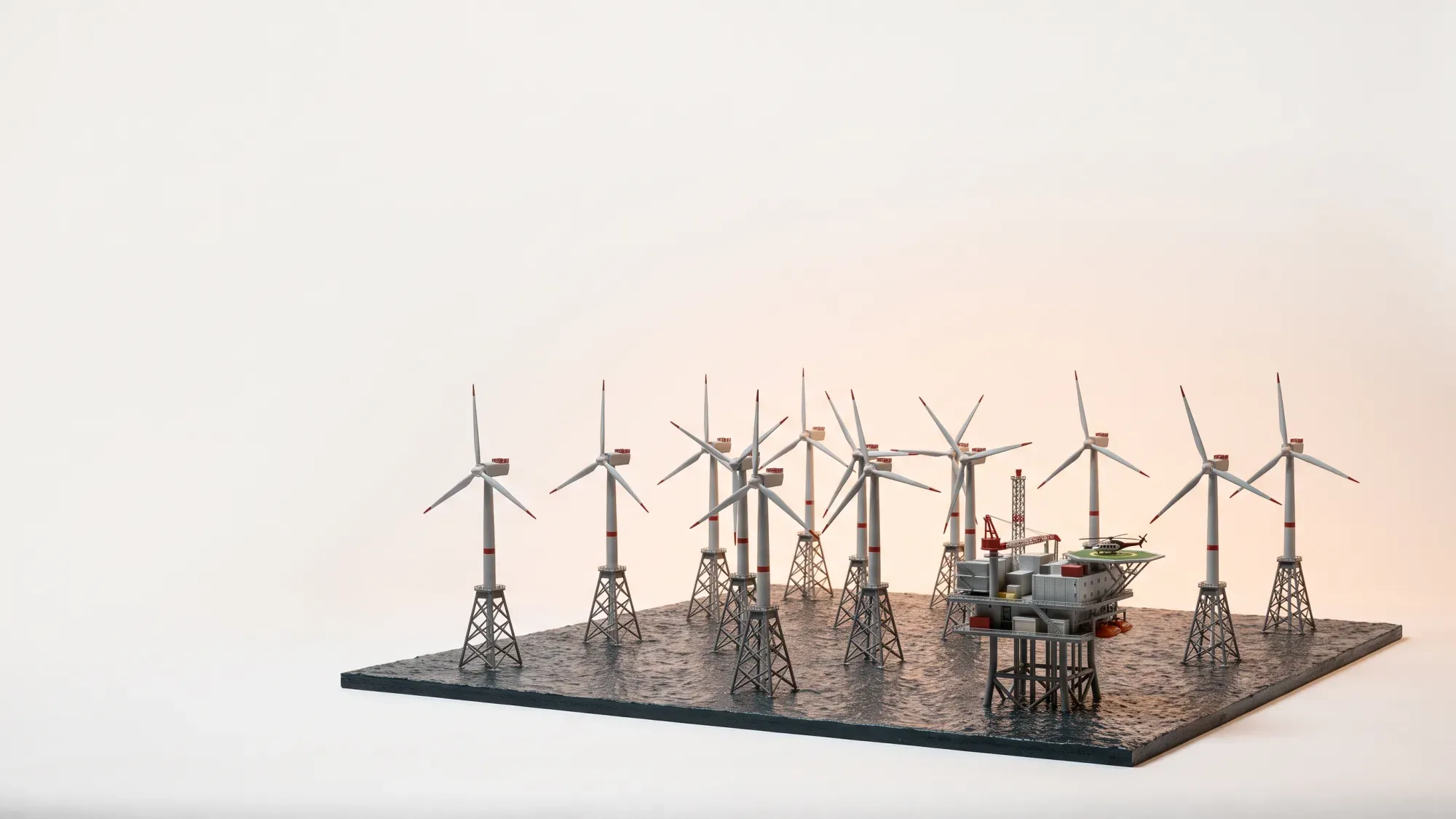
Clean energy is vital for the UK's future, offering a path to reduced carbon emissions and greater energy independence. However, the transition to a fully clean energy system is not without its complexities. Understanding these challenges, from grid integration to economic considerations, is crucial for making informed decisions about energy at both household and national levels.
Navigating the complexities of clean energy is easier when you have clear insights into your own usage. Fuse Energy provides transparent pricing and in-app usage data to help you understand and manage your home's energy consumption. Click here to switch to Fuse Energy today.
Enter your address to get a quote and see how much you could save
Understanding the challenges of clean energy
The shift towards renewable sources marks a significant evolution in how the UK powers its homes and industries. This transition, while necessary, introduces a distinct set of challenges that differ from those posed by traditional fossil fuel generation.
The UK's energy transition context
The UK's electricity grid was originally designed for large, centralised fossil fuel power stations, which provided a constant and predictable supply of electricity. Integrating distributed and often intermittent renewable sources like wind and solar into this existing infrastructure presents considerable technical hurdles. The energy landscape is changing rapidly, with ambitious government targets for renewable energy deployment and carbon emission reductions driving significant infrastructure development and policy shifts.
Why a balanced perspective matters
Discussing the drawbacks of clean energy is not about undermining its importance but about fostering a realistic and proactive approach to the energy transition. A balanced perspective allows for a clearer understanding of the problems that need solving, encouraging innovation and strategic investment rather than complacency or undue pessimism. It empowers UK adults to grasp the nuances of their energy supply and the broader national effort.
Intermittency and reliability concerns
One of the most frequently discussed challenges of clean energy is its inherent variability, particularly with wind and solar power.
The variable nature of renewables
Wind and solar power, key components of the UK's clean energy mix, are inherently intermittent; their output fluctuates with weather conditions. When the wind does not blow or the sun does not shine, these sources generate less electricity, or none at all. This variability means that while they can provide substantial power, they cannot always be relied upon to meet demand at any given moment.
Impact on grid stability and supply
The fluctuating nature of renewables can impact grid stability. Maintaining a constant balance between electricity supply and demand is critical for preventing blackouts. When large amounts of intermittent renewable energy are integrated, the grid requires more flexible backup power or advanced management systems to ensure a continuous and stable supply. Ofgem, the UK's energy regulator, plays a crucial role in ensuring grid stability amidst this transition.
The role of energy storage
To mitigate intermittency, robust energy storage solutions are essential. Technologies such as large-scale batteries, pumped-hydro storage, and even hydrogen production can store surplus renewable energy for use during periods of low generation or high demand. Innovations in heating, such as air source heat pump efficiency, also play a role in managing demand. Significant investment is required for these energy storage solutions to support a high-renewable energy system in the UK.
Infrastructure and grid integration hurdles
The UK's existing energy infrastructure needs substantial upgrades to accommodate the growing share of clean energy.
Upgrading the UK's ageing grid
The UK's grid was not built for the two-way flow of electricity common with distributed renewable generation. Integrating new renewable generation into the existing UK grid necessitates significant infrastructure upgrades and investment. This includes modernising substations, enhancing control systems, and making the grid "smarter" to manage diverse energy flows efficiently.
Transmission and distribution limitations
New renewable energy projects, particularly large-scale wind farms, are often located in remote areas where resources are abundant but grid connections are weak. This creates transmission and distribution limitations, requiring new power lines and substations to transport electricity to population centres. These projects can be costly and face planning challenges.
Connecting new renewable projects
Connecting new renewable projects to the grid involves complex regulatory processes and can be time-consuming. Planning regulations and environmental impact assessments are critical for the siting and development of large-scale renewable energy projects in the UK. Delays in obtaining approvals and securing grid connections can slow down the pace of clean energy deployment.
Economic costs and investment
The transition to clean energy involves substantial financial outlays, which need careful management to ensure affordability.
High upfront capital expenditure
Clean energy projects, such as offshore wind farms or large solar installations, typically require high upfront capital expenditure. While the operational costs can be lower than fossil fuel plants, the initial investment for generation facilities and supporting infrastructure is considerable.
Balancing costs for consumers
The costs associated with grid upgrades, energy storage, and new generation capacity can ultimately impact consumer bills and national budgets. Balancing these costs while ensuring energy remains affordable for households is a key challenge. The average UK home uses around 2,500 kilowatt-hours (kWh) of electricity per year1, a baseline against which the impact of energy generation and consumption is often measured.
How much electricity does the average UK home use?
The average UK home uses approximately 2,500 kWh of electricity per year. This figure, set by Ofgem, serves as a common benchmark for understanding household energy consumption and assessing the impact of energy generation and pricing on domestic bills.
Investment in new technologies
Beyond the physical infrastructure, continuous investment in research and development for new clean energy technologies is vital. This includes advanced energy storage, smarter grid management systems, and innovative generation methods, such as those that impact air source heat pump running cost. Such investment is crucial for overcoming current limitations and driving down future costs.
Environmental and land use considerations
While clean energy reduces carbon emissions, its deployment still carries environmental and land use implications.
Land requirements for large-scale projects
Large-scale solar farms and onshore wind projects require significant land areas. This can lead to competition for land use, particularly in a densely populated country like the UK, raising concerns about impacts on agriculture, natural habitats, and local landscapes. Offshore wind farms, while not using land, have their own considerations regarding marine ecosystems and shipping lanes.
Manufacturing and disposal impacts
The manufacturing of clean energy technologies, such as solar panels and wind turbine components, requires raw materials and energy, and can generate waste. Similarly, the end-of-life disposal or recycling of these technologies presents an environmental challenge that needs to be managed effectively to minimise their overall footprint.
Local environmental effects
The construction and operation of clean energy projects can have local environmental effects, including noise from wind turbines, visual impact on landscapes, and potential effects on wildlife. These factors are carefully considered through environmental impact assessments and planning regulations to minimise adverse outcomes.
Addressing the drawbacks: solutions and the future
The challenges of clean energy are significant, but they are not insurmountable. Continuous innovation and strategic policy are paving the way for a more resilient and sustainable energy system.
Technological advancements and innovation
Rapid technological advancements are continually improving the efficiency and reducing the cost of clean energy. Innovations in battery technology, smart grid solutions, and advanced forecasting models are helping to address intermittency and integration issues. New materials and manufacturing processes are also working to reduce the environmental footprint of clean energy technologies.
Policy and regulatory frameworks
The UK government sets ambitious targets for renewable energy deployment and carbon emission reductions, influencing infrastructure development and policy. Ofgem, the energy regulator, continues to adapt its frameworks to support grid modernisation and ensure fair market operation. These policy and regulatory frameworks are crucial for creating a stable environment for investment and innovation in clean energy.
The path to a resilient clean energy system
Building a resilient clean energy system in the UK requires a holistic approach that combines technological innovation, strategic investment, and supportive policy. By transparently addressing the drawbacks and focusing on solutions, the UK can continue its journey towards an abundant, clean energy future, ensuring reliable and affordable power for all.
Understanding the broader energy landscape helps you make informed decisions for your home. Fuse Energy is committed to providing a modern energy experience with clear pricing, real-time usage data, and 24/7 human customer support. Switching to Fuse is quick and easy, allowing you to take control of your energy bills. Click here to switch to Fuse Energy today. You can also learn more about our mission to build a future with abundant, clean energy by clicking here.
References
Disclaimer
For the avoidance of doubt, this article is provided for informational purposes only and is not intended to constitute legal or financial advice. The author and/or Fuse Energy shall not be responsible for any losses arising out of any reliance on the information contained herein.