DCC smart meter: how it works
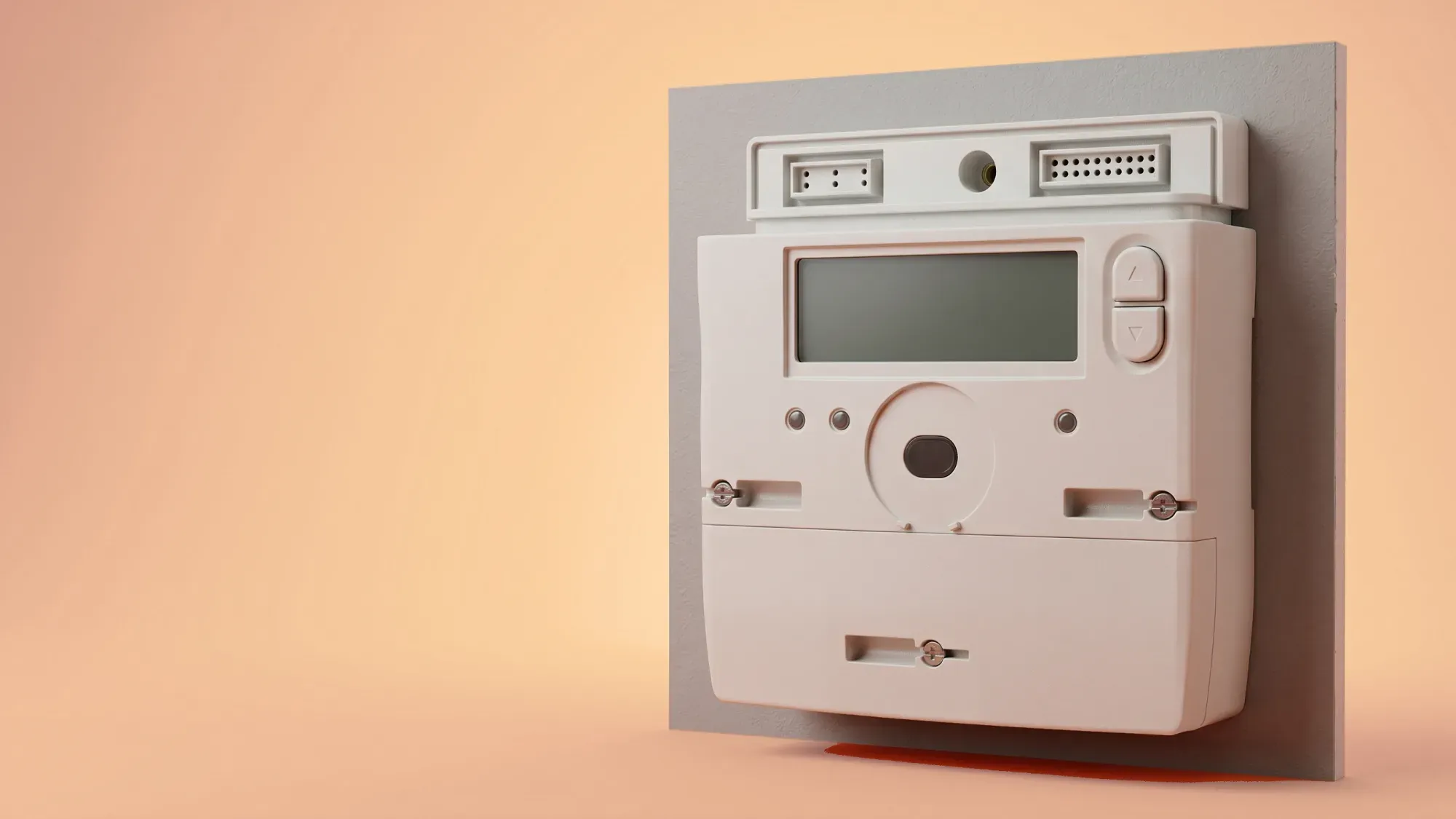
Smart meters are a fundamental part of Britain's modern energy infrastructure, offering homeowners clear insights into their energy use and secure data communication. The Data Communications Company (DCC) operates the secure network that connects smart meters to energy suppliers and Distribution Network Operators (DNOs), empowering you to manage your home's energy effectively.
Understanding how your DCC smart meter works can help you make the most of your energy. Fuse Energy leverages this technology to provide clear insights and support. Click here to switch to Fuse Energy today.
Enter your address to get a quote and see how much you could save
What is the data communications Company (DCC)?
The DCC is a licensed organisation responsible for Great Britain's secure smart meter network. Its primary role is to create and manage the highly secure data communications infrastructure for smart meters, acting as a central digital backbone connecting smart meters in homes to energy suppliers and Distribution Network Operators (DNOs).
The backbone of Britain's smart meter network
The DCC's network is essential for transforming Britain's energy system. It provides a secure, reliable, and standardised pathway for energy usage information, safeguarding sensitive data while facilitating efficient communication between your home and the wider energy grid. While it is a dedicated network, it uses various communication technologies, including cellular and long-range radio, to ensure widespread coverage across Great Britain.
DCC's role in secure data transmission
Security is at the core of the smart meter network's design, developed in collaboration with the National Cyber Security Centre (NCSC). Smart meters do not store personal information such as your name, address, or bank details; they simply record your gas and electricity readings. This data is encrypted before being transmitted over the DCC network, ensuring its integrity and privacy. The DCC network transports this encrypted data directly to your energy supplier, who then decrypts it for accurate billing.
What is the Smart Energy Code (SEC)?
The SEC is a multi-party agreement that defines the rights and obligations for all parties involved in Great Britain's smart metering system, including the DCC and energy suppliers. It ensures the secure and efficient operation of the smart meter communication infrastructure.
How your smart meter uses the DCC network
Your smart meter measures your energy usage and automatically transmits this data to your energy provider via the DCC. Unlike traditional meters that require manual readings, smart meters can send electricity readings as frequently as every 15 to 30 minutes. Gas smart meters typically provide one daily cumulative reading. This communication enables more accurate billing and better energy management.
Understanding smart meter communication
Smart meters do not use your home Wi-Fi, broadband, or internet package to send readings. Instead, they communicate through a secure national network built specifically for smart meters, which operates independently of your home internet connection. This network uses various communication technologies, including cellular and long-range radio, to ensure widespread coverage across Great Britain. Inside the home, the electricity meter, gas meter, and in-home display (IHD) form a small connected system, allowing readings and usage information to move between devices. This local network is known as the Home Area Network (HAN).
The difference between SMETS1 and SMETS2 meters
There are two primary generations of smart meters: SMETS1 and SMETS2. Both types record energy use and automatically send readings to your supplier. The key difference lies in their communication systems. Earlier SMETS1 meters were installed before the national smart meter network was fully established, often relying on supplier-specific systems. This meant that some SMETS1 meters could lose their smart functionality if you switched energy suppliers.
SMETS2 meters, on the other hand, were designed to work directly through the DCC national smart meter network from the outset. This ensures they remain smart even when you change energy providers. Many eligible SMETS1 meters have now been migrated onto the DCC network, improving their interoperability and ensuring they stay smart after a switch. If you don't yet have one, you can often arrange a smart meter installation through your energy supplier.
Ensuring data accuracy and reliability
The DCC network is designed for high reliability and security. Data is securely wrapped using encryption before being transmitted. This process supports the automated collection of meter readings, reducing the need for manual submissions and estimated bills. The Smart Metering Implementation Programme (SMIP), a government-led initiative, drives the deployment of smart meters across Great Britain, aiming to create a secure and clean energy system. Ofgem, the energy regulator, oversees the smart meter rollout and the DCC's operations to protect consumers and ensure market fairness.
Benefits of a DCC smart meter for homeowners
A DCC-connected smart meter offers several tangible benefits, moving beyond just accurate billing to empower you with greater control over your energy use.
Accurate billing and an end to estimates
One of the most immediate benefits is accurate billing. By sending automated readings directly to your supplier, smart meters eliminate the need for manual meter readings and significantly reduce the likelihood of estimated bills. This means you only pay for the energy you actually use, helping you budget more effectively and avoid unexpected charges. This also helps with understanding your meter readings more accurately.
Access to flexible and smart tariffs
Smart meters enable access to a range of flexible and smart tariffs. These tariffs can offer cheaper rates during off-peak hours, allowing you to save money by shifting your energy consumption to times when demand is lower. This is particularly beneficial for those with electric vehicles, solar panels, or home batteries, as it allows for more efficient and cost-effective energy management. For example, some tariffs are designed specifically for electric vehicle owners.
Greater control and insight into energy usage
With a DCC smart meter, you gain a clearer picture of your energy consumption. The insights provided can help you identify energy-hungry appliances, understand peak usage times, and make informed decisions about how to reduce your consumption. This ability to monitor energy use more closely can help you adjust habits, potentially reduce your energy usage, and manage your bills more effectively.
Addressing common smart meter concerns
While smart meters offer many advantages, it's natural to have questions about their operation and security.
Data privacy and security on the DCC network
The smart meter network was designed with security as a priority, in collaboration with the NCSC. Your smart meter records only your gas and electricity readings; it does not store personal information like your name, address, or bank details. The data is encrypted end-to-end and transferred via the secure network managed by the DCC.
What to do if your smart meter goes offline
If your smart meter loses connection, it will usually still record your energy usage, but it won't be able to send readings automatically. Your energy supplier may become aware if your meter stops communicating. While your supplier works to reconnect it, which can sometimes take up to 42 days, you can submit manual readings to ensure your bills remain accurate. Simple issues like obstructions or interference can sometimes cause connectivity problems, but often the meter will sort itself out. If the problem persists, contacting your energy supplier is the next step.
Understanding smart meter coverage and connectivity
The DCC aims for widespread connectivity across Great Britain. This coverage has been enhanced through the addition of Communications Hubs, which improve signal strength and reliability, particularly in areas with poor reception. The network uses various communication technologies, including cellular and long-range radio, to ensure widespread coverage. However, in some areas, mobile network coverage used by the DCC might be weak or unreliable, leading to communication issues. The DCC and energy providers are continuously working on solutions to improve connectivity.
Fuse Energy's support for your smart meter
Fuse Energy demystifies the DCC's technical role by translating it into tangible, homeowner-centric benefits and providing a clear, reliable support pathway through its intuitive app and 24/7 human customer support.
Making your energy tangible with the Fuse app
Fuse's intuitive app makes your DCC-enabled smart meter data visible and actionable, giving you clear insights into your energy usage. The detailed insights available through the app, powered by your smart meter data, allow you to identify patterns in your energy consumption. This transparency can help you adjust your habits, potentially reduce your energy usage, and manage your bills more effectively.
24/7 human support for smart meter queries
Fuse Energy's 24/7 human customer support team is always available to assist with any smart meter connectivity issues or questions, ensuring a smooth experience. While smart meter issues can sometimes require external intervention, Fuse's dedicated support team can guide you through troubleshooting and help resolve problems efficiently.
Seamless energy management with Fuse
Fuse leverages the reliable data flow from the DCC network to provide accurate billing and insights into energy usage. By making smart meter data accessible and reliable, Fuse empowers you to make informed decisions that optimise your energy use, moving beyond 'use less' to 'use smarter'. This approach helps you take control of your energy consumption and contribute to a more efficient and sustainable energy future.
Ready to take control of your energy with a DCC smart meter? Fuse Energy offers clear pricing, real-time usage data through our intuitive app, and 24/7 human customer support. Switching to Fuse is quick and easy, helping you manage your bills effectively. Click here to switch to Fuse Energy today. You can also learn more about our mission to build a sustainable energy future here.
Disclaimer
For the avoidance of doubt, this article is provided for informational purposes only and is not intended to constitute legal or financial advice. The author and/or Fuse Energy shall not be responsible for any losses arising out of any reliance on the information contained herein.