Cheapest way to heat a room: costs and efficiency
Keeping a single room warm without excessive energy bills is a significant concern for many UK households. With energy prices fluctuating, understanding the most cost-effective heating methods and how to maximise efficiency is crucial. This guide provides practical, data-backed advice to help you take control of your home's warmth and your wallet.
Fuse Energy is dedicated to helping you manage your home's energy use efficiently, including how you heat individual rooms. Our app provides clear insights into your consumption, empowering you to make smarter choices.
Thinking about Cheapest way to heat a room? With Fuse Energy, you get clear pricing, real-time usage data, 24/7 human customer support, and a modern energy experience designed around you. Signing up takes just a few minutes, so you can take control of your bills from day one. Click here to switch to Fuse Energy today and start saving.
Enter your address to get a quote and see how much you could save
Understanding your heating costs
Heating costs are influenced by several factors, but the unit rate you pay for energy is fundamental. In the UK, the energy market is regulated by Ofgem, which sets a price cap on standard variable tariffs. This cap limits the maximum amount suppliers can charge per unit of energy, not your total bill, which still depends on your usage.
Electricity versus gas: unit rate comparison
For the period of 1 July to 30 September 2026, the average unit rates under the Ofgem Price Cap for Direct Debit customers are:
- Electricity: 26.11 pence per kilowatt-hour (kWh)
- Gas: 7.33 pence per kilowatt-hour (kWh)
These figures, inclusive of 5% VAT, clearly show that gas is considerably cheaper per kWh than electricity for heating. This disparity is largely driven by wholesale gas prices.
Factors influencing heating costs
Beyond the unit rate, several elements dictate how much you spend to heat a room:
- Room size and insulation: Larger rooms require more energy to heat, and poorly insulated spaces lose heat quickly, demanding constant energy input.
- Usage patterns: How long and how often you heat a room directly impacts costs. Targeted heating for specific periods is more efficient than continuous heating.
- Heater efficiency: Different heating methods convert energy into heat with varying degrees of efficiency, affecting their running costs.
- External temperature: Colder outside temperatures mean more heat loss from your home, increasing the energy needed to maintain a comfortable indoor temperature.
Comparing heating methods for a single room
Choosing the right heating method involves balancing initial cost, running cost, and effectiveness for your specific situation.
Central heating: targeted use
Central heating, typically powered by gas, is often the most cost-effective way to heat an entire home efficiently. However, it can also be used effectively for single rooms. By using thermostatic radiator valves (TRVs), you can turn down or switch off radiators in unused rooms, directing warmth only where it is needed. This prevents wasted energy on heating empty spaces, making your gas central heating a smart option for targeted warmth.
Portable electric heaters: types and efficiency
While electricity is more expensive per kWh than gas, portable electric heaters can be a practical solution for quickly warming a single, small, well-insulated room for short periods. They offer immediate, localised heat. However, relying on them for large or poorly insulated areas, or for extended durations, can lead to high running costs.
Different types of electric heaters have varying characteristics:
- Convection heaters: Heat the air directly, good for quick warmth.
- Oil-filled radiators: Heat up slowly but retain heat for longer, providing a more consistent warmth.
- Fan heaters: Offer instant, powerful heat but can be noisy and less efficient for sustained use.
- Infrared heaters: Heat objects and people directly rather than the air, which can feel warmer more quickly in certain setups.
When considering an electric heater, look for models with thermostats and timers to control usage and prevent overheating, which can help manage energy consumption.
Non-electric alternatives and passive heating
Reducing reliance on electricity and gas altogether can be the least expensive approach. Passive heating methods leverage natural energy sources:
- Sunlight: Open curtains and blinds during the day, especially on south-facing windows, to let sunlight naturally warm your room. Close them as dusk falls to trap the accumulated heat.
- Body heat and activity: Simply being in a room generates heat. Physical activity also raises body temperature.
- Cooking and baking: Using your oven or hob can contribute residual heat to your kitchen and adjacent rooms.
Maximising heat retention: the foundation of savings
No matter your heating method, preventing heat loss is fundamental to keeping costs down. Effective insulation and draught-proofing are foundational to reducing energy waste.
Effective draught-proofing strategies
Draughts are a major culprit for heat loss. Addressing them is often a low-cost, high-impact way to improve warmth:
- Seal gaps: Use self-adhesive foam strips for gaps around windows and doors. Apply silicone sealant to cracks in walls or around skirting boards.
- Letterboxes and keyholes: Install brushes or covers on letterboxes and keyhole covers to block cold air.
- Chimneys: If you have an unused fireplace, consider a chimney balloon or cap to prevent heat escaping up the flue.
- Floorboards: Fill gaps between floorboards with a suitable filler or sealant.
Insulation: walls, windows, and floors
Improving insulation is a more significant investment but offers substantial long-term savings:
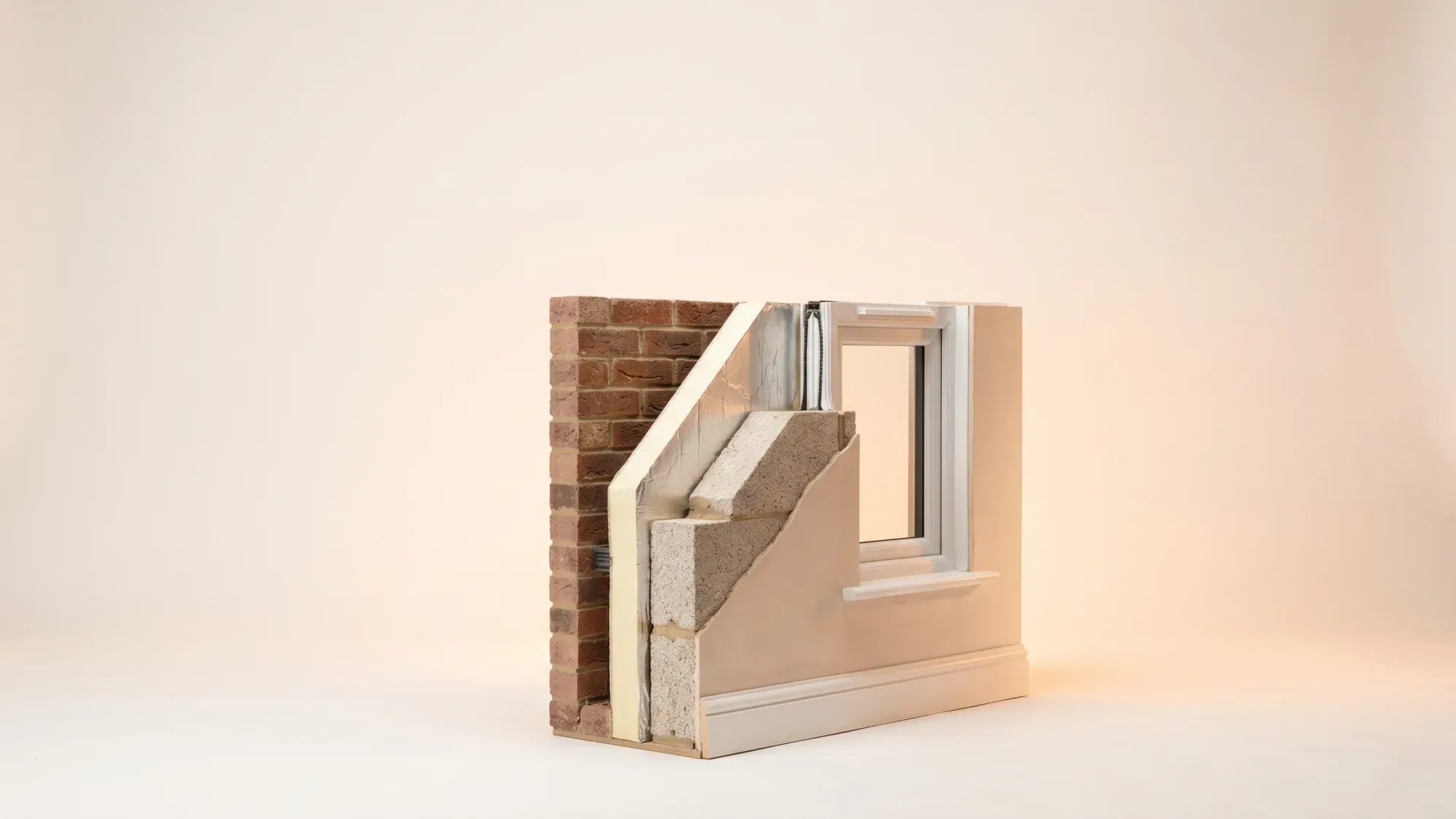
- Walls: If your home has cavity walls, insulation can be blown into the gap. Solid walls can be insulated internally or externally.
- Windows: Double glazing significantly reduces heat loss compared to single glazing. If replacement is not feasible, heavy curtains or thermal blinds can provide a temporary barrier.
- Floors: Insulating floors, especially those above unheated spaces like cellars or crawl spaces, can prevent a surprising amount of heat from escaping.
Using curtains and furniture strategically
Simple adjustments to your room's layout can also help retain heat:
- Heavy curtains: Close curtains at dusk to trap heat inside. Ensure they do not block radiators, as this will prevent heat from circulating into the room.
- Furniture placement: Avoid placing large furniture directly in front of radiators, as this absorbs heat and stops it from warming the room effectively. Position sofas and chairs away from external walls where possible to minimise feeling cold.
Smart controls and habits for efficient heating
Technology and mindful habits play a crucial role in optimising your heating and reducing energy waste.
The role of thermostats and timers
Smart thermostats and timers are invaluable tools for efficient heating. They allow you to heat your home only when and where it is needed, avoiding unnecessary energy consumption.
What is the benefit of a smart thermostat?
A smart thermostat allows you to control your heating remotely via an app, set schedules, and often learns your preferences to optimise warmth. This precision ensures you only heat your home when necessary, significantly reducing energy waste and lowering your bills.
- Programmed schedules: Set your heating to come on just before you wake up and turn off when you leave for work. Program it to warm up again before you return home.
- Zoned heating: Some smart systems allow you to control individual rooms or zones, further tailoring your heating to specific needs.
- Thermostats: A room thermostat ensures your heating system maintains a consistent temperature, turning off when the desired warmth is reached and on again if it drops.
Behavioural changes for lower bills
Small changes in daily habits can lead to noticeable savings:
- Dress warmly: Layering clothing can make a significant difference, allowing you to set your thermostat a degree or two lower without feeling cold.
- Close doors: Keep doors to unheated rooms closed to prevent warm air from escaping and cold air from entering heated spaces.
- Ventilate wisely: Briefly opening windows for a few minutes can refresh the air without significant heat loss, rather than leaving them ajar for extended periods.
Monitoring your energy usage
Understanding how much energy you use is the first step to controlling it. Many energy suppliers offer tools, often through their apps, to help you monitor your consumption in real-time or view historical data. This transparency empowers you to identify patterns, pinpoint energy-hungry habits, and make informed decisions about your heating strategy. For accurate tracking, consider a smart meter installation if you do not already have one. You can also gain a deeper understanding of your energy expenditure by learning how to read and interpret your energy bill.
Taking control of your home's warmth and wallet
Heating your home affordably and efficiently does not have to mean sacrificing comfort. By combining smart choices in heating methods with effective heat retention strategies and intelligent use of technology, you can significantly reduce your energy bills. The journey to a warmer home and a healthier wallet is about making informed decisions and implementing practical changes.
Fuse Energy is committed to empowering customers to manage their energy usage effectively. Our all-in-one app provides transparency and tools to monitor your energy consumption, helping you make informed decisions about your heating. And with 24/7 human customer support, expert guidance is always available for your energy-related queries, including how to heat your home more efficiently. Click here to switch to Fuse Energy today and start taking control of your energy bills.
Disclaimer
For the avoidance of doubt, this article is provided for informational purposes only and is not intended to constitute legal or financial advice. The author and/or Fuse Energy shall not be responsible for any losses arising out of any reliance on the information contained herein.